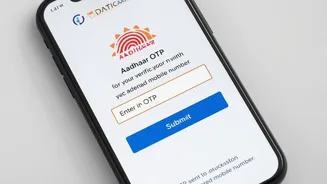

A key feature of the new Aadhaar app is selective sharing of personal details. Users have previously flagged concerns around the risks of handing over a physical or digital copy of the Aadhaar card for verification at places such as hotels, where there is a possibility of misuse. The new app allows users to share only limited information, such as name and age, without disclosing the full Aadhaar card, addressing privacy and security concerns.
The app also enables offline Aadhaar verification. Users can verify their identity using the app even without an internet connection, making the process more accessible in areas with limited or unstable connectivity.
Another major change is the ability to update the mobile number linked to Aadhaar directly through the app. This removes the need for individuals to visit an Aadhaar enrolment centre for mobile number updates. Similarly, address details linked to Aadhaar can now be updated using the app, eliminating physical visits to Aadhaar centres for address changes.
The new Aadhaar app also introduces a family management feature. A single device can support and manage up to five Aadhaar profiles, allowing users to handle Aadhaar-related updates and details for an entire family from one mobile phone. This is expected to be particularly useful for households managing Aadhaar records for children or elderly family members.
Of particular note, UIDAI is in discussions with OEMs like Samsung, Google, and Apple to potentially embed the Aadhaar app directly into their devices. While still in initial talks, this could have worldwide implications for the iOS and Android ecosystems and their manufacturing cycles. This comes after concerns over the DOT’s recent mandate for pre-installing the Sanchar Sathi app, which had sparked debates around privacy and surveillance.
Also read: Aadhaar, PAN, ration cards won’t prove citizenship, say Delhi police — so what will?
Overall, the rollout of the new Aadhaar app focuses on improving user convenience, strengthening data privacy and reducing dependency on physical Aadhaar cards and enrolment centres by shifting key services to a secure digital platform.