




What is the story about?
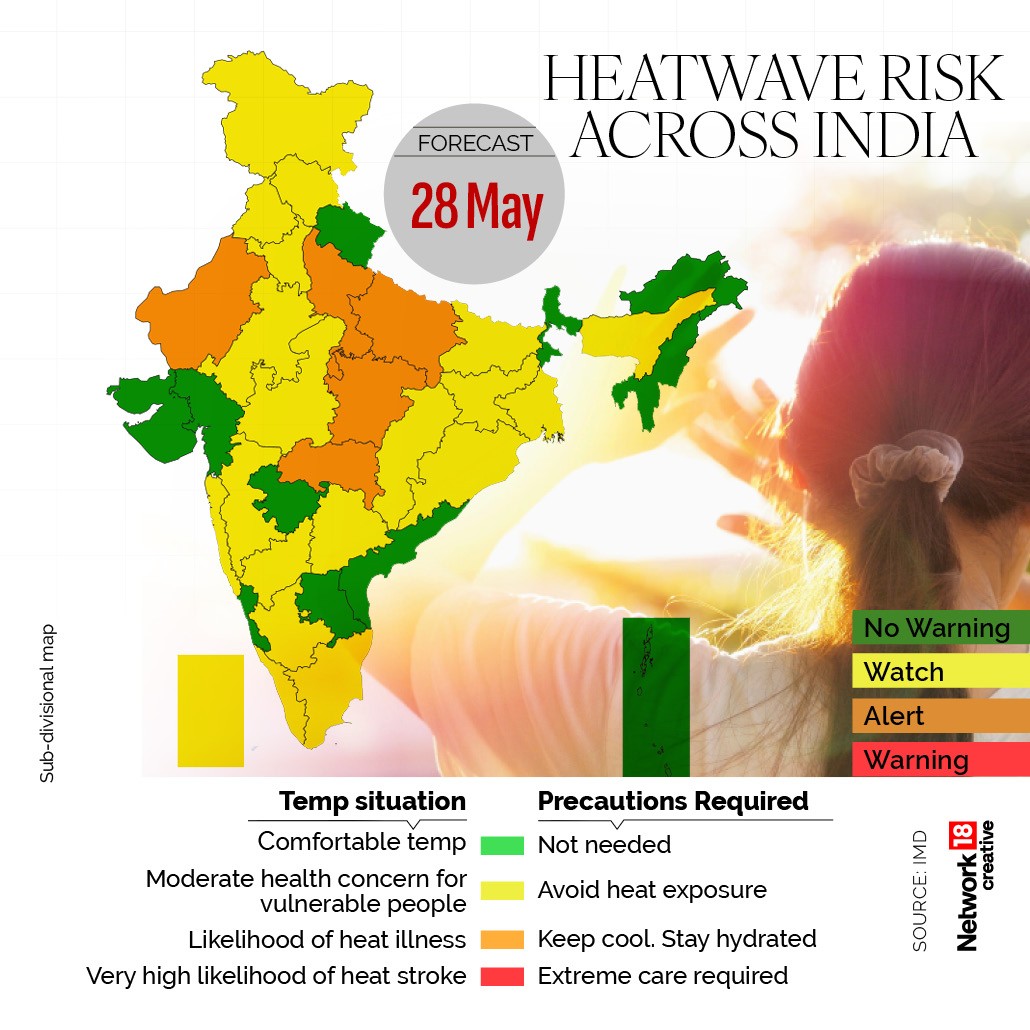
As temperatures routinely exceed 45°C in many Indian cities, Prime Minister Narendra Modi appealed to Indians to "carry water when stepping out" and praised those "who keep water in pitchers outside their homes and shops so that anyone can drink from them".
The call for compassion aside, governments, both state and central, must review the state of India's public water infrastructure to help citizens survive the heatwave.
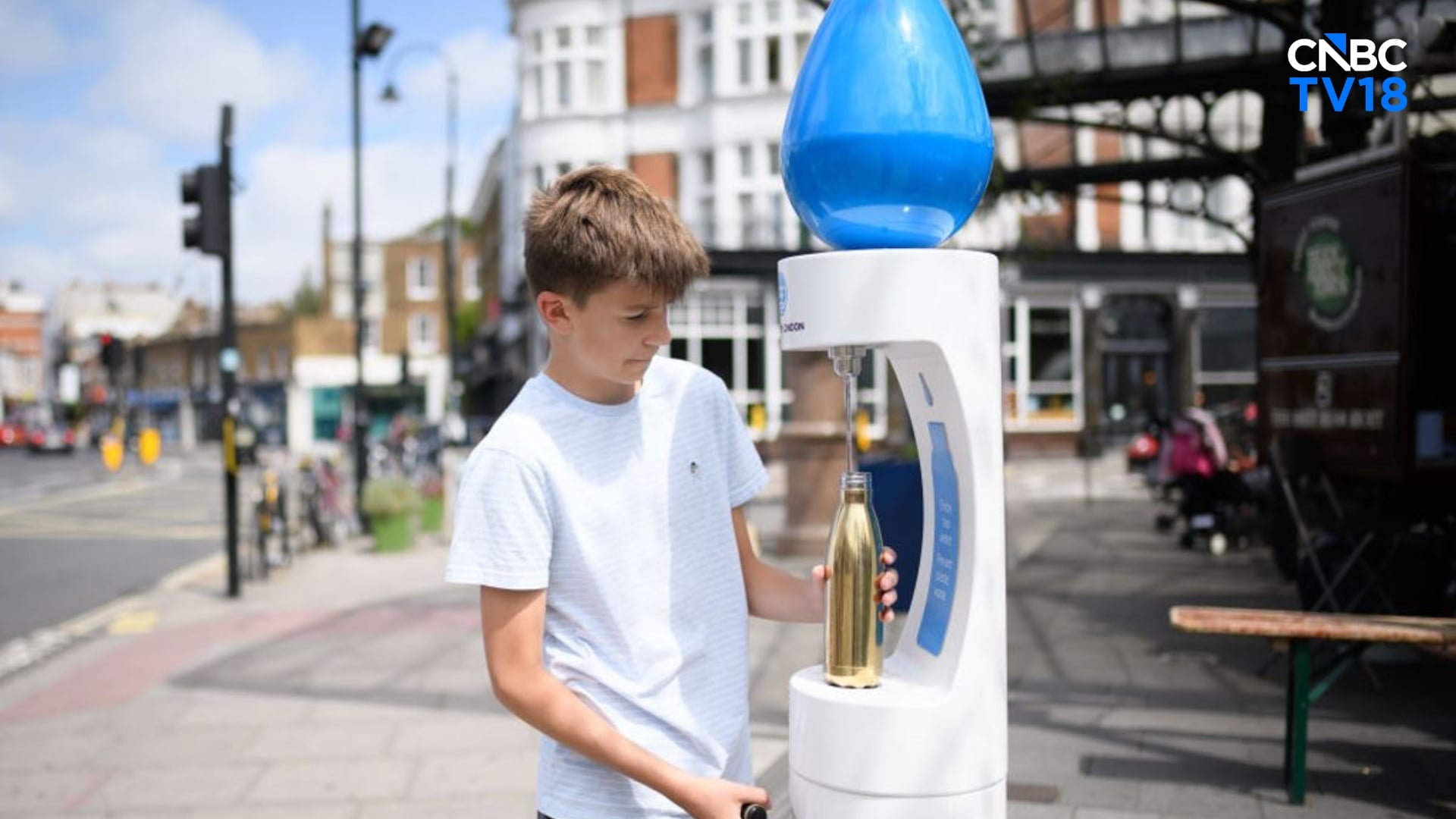
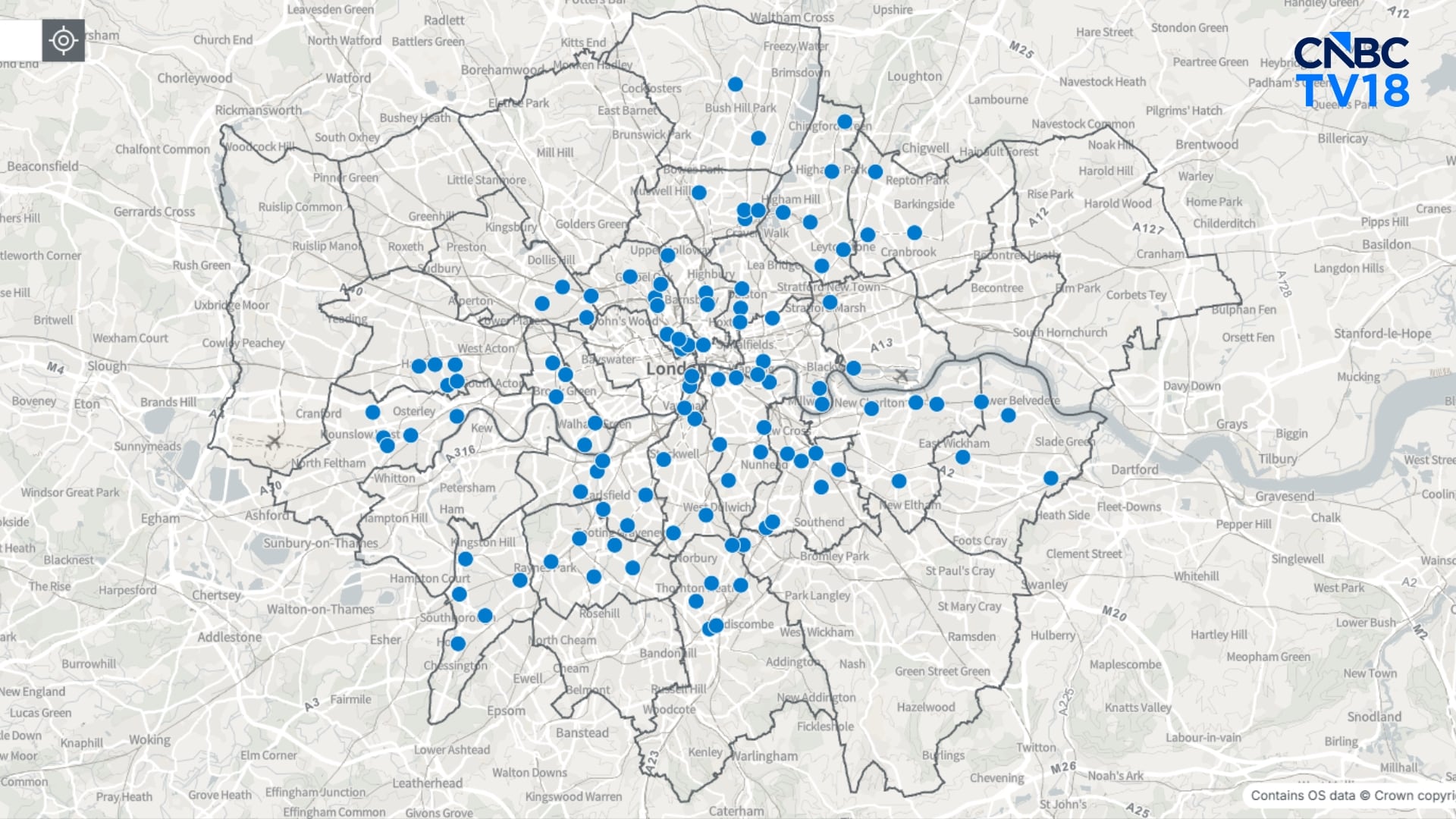
London (where a 30°C day is considered a scorcher) boasts a network of 4,000 free water refill stations and 100 drinking fountains, all tracked on a public app. Paris installed 700 water fountains ahead of the 2024 Olympics.
Why Indians Still Depend on Single-Use Water Sachets
Meanwhile, India has no credible national database for public drinking water points.
While a handful of cities like Delhi and Ahmedabad operate public kiosks, the coverage is sporadic, and no metro has a mapped, networked system accessible to everyone.
Currently, Mumbai has only 64 public drinking fountains to serve a population of over 1.3 crore, according to an Indian Express report citing data from the civic body.
 The Japanese Study That Shows Refill Stations Reduce Plastic Waste
A 2025 study from Japan's Ritsumeikan University proves that if you build it, they will drink. Researchers found that 99.2% of people who use water refill stations ditch plastic bottles. The move can therefore help ease pollution too.
When asked what would make them use these stations more, users didn't ask for the moon. They just wanted convenient locations, bottle-cleaning features, hot water, and the chance to save cash while helping the environment.
Why Indians Still Depend on Single-Use Water Sachets
But here is the catch: people won't carry reusable bottles if there is nowhere to fill them.
When refilling isn't an option, even the poorer citizens are forced to buy cheap, single-use plastic water sachets or go thirsty. During a heatwave, the latter can be fatal.
India’s Plastic Pollution Crisis Is Linked to Water Access
India is already one of the world's largest contributors to mismanaged plastic waste. Those ₹1-2 single-use water sachets are a massive, uncounted part of that pollution.
A national water refill network would hit two birds with one stone. The Japanese researchers found that equipping just one campus with refill stations prevented the use of 45,000 disposable bottles a year.
Scaled to the density of an Indian megacity, the environmental dividend would be mind-boggling.
Why Jal Jeevan Mission Needs an Urban Expansion
Public health experts and urban planners point to three immediate fixes. First, cities need a publicly accessible database of drinking water points (a virtually free tech intervention).
Second, the Jal Jeevan Mission, which has successfully connected millions of rural homes to piped water, needs an urban spinoff mandating refill points in public spaces.
Third, mandatory corporate social responsibility (CSR) funds could be funnelled directly into building and maintaining water kiosks in heat-vulnerable neighbourhoods.
Read more: Five policy changes that India needs to make to avert future crises, according to PM Modi's former advisor.
Why India’s Heatwave Response Needs Public Water Infrastructure
देश के अलग-अलग हिस्सों में तापमान लगातार बढ़ रहा है और इसके साथ ही दैनिक जीवन में गर्मी से होने वाली कई कठिनाइयां भी बढ़ रही हैं। मैं सभी देशवासियों से आग्रह
करता हूं कि जितनी अधिक सावधानी बरत सकें, अवश्य बरतें। कृपया स्वयं को हाइड्रेटेड रखें, घर से बाहर निकलते समय पानी साथ रखें।…
— Narendra Modi (@narendramodi) May 27, 2026
The call for compassion aside, governments, both state and central, must review the state of India's public water infrastructure to help citizens survive the heatwave.
London (where a 30°C day is considered a scorcher) boasts a network of 4,000 free water refill stations and 100 drinking fountains, all tracked on a public app. Paris installed 700 water fountains ahead of the 2024 Olympics.
A map of the water filling stations in London.
Why Indians Still Depend on Single-Use Water Sachets
Meanwhile, India has no credible national database for public drinking water points.
While a handful of cities like Delhi and Ahmedabad operate public kiosks, the coverage is sporadic, and no metro has a mapped, networked system accessible to everyone.
Currently, Mumbai has only 64 public drinking fountains to serve a population of over 1.3 crore, according to an Indian Express report citing data from the civic body.
The Japanese Study That Shows Refill Stations Reduce Plastic Waste
A 2025 study from Japan's Ritsumeikan University proves that if you build it, they will drink. Researchers found that 99.2% of people who use water refill stations ditch plastic bottles. The move can therefore help ease pollution too.
When asked what would make them use these stations more, users didn't ask for the moon. They just wanted convenient locations, bottle-cleaning features, hot water, and the chance to save cash while helping the environment.
Why Indians Still Depend on Single-Use Water Sachets
But here is the catch: people won't carry reusable bottles if there is nowhere to fill them.
When refilling isn't an option, even the poorer citizens are forced to buy cheap, single-use plastic water sachets or go thirsty. During a heatwave, the latter can be fatal.
India’s Plastic Pollution Crisis Is Linked to Water Access
India is already one of the world's largest contributors to mismanaged plastic waste. Those ₹1-2 single-use water sachets are a massive, uncounted part of that pollution.
A national water refill network would hit two birds with one stone. The Japanese researchers found that equipping just one campus with refill stations prevented the use of 45,000 disposable bottles a year.
Scaled to the density of an Indian megacity, the environmental dividend would be mind-boggling.
Why Jal Jeevan Mission Needs an Urban Expansion
Public health experts and urban planners point to three immediate fixes. First, cities need a publicly accessible database of drinking water points (a virtually free tech intervention).
Second, the Jal Jeevan Mission, which has successfully connected millions of rural homes to piped water, needs an urban spinoff mandating refill points in public spaces.
Third, mandatory corporate social responsibility (CSR) funds could be funnelled directly into building and maintaining water kiosks in heat-vulnerable neighbourhoods.
Read more: Five policy changes that India needs to make to avert future crises, according to PM Modi's former advisor.