







What is the story about?
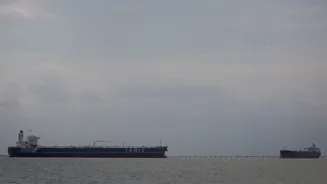
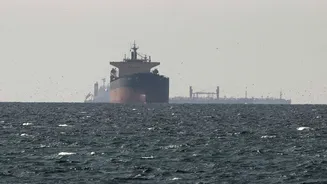
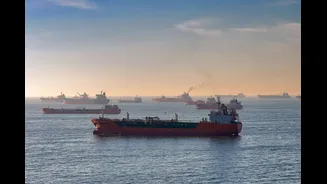
Union Petroleum Minister Hardeep Singh Puri on Monday, June 29, said India moved more than 12 LPG vessels out of the Strait of Hormuz without paying any tolls and rapidly reconfigured refineries to boost cooking gas production, measures that he said helped the country navigate what he described as the "largest energy disruption in modern history."
Puri was referring to the disruption following the closure of the Strait of Hormuz, which he said lasted for nearly four months.
Puri said the government shielded consumers from supply disruptions during the closure of the Strait of Hormuz by diversifying crude import sources, expanding energy infrastructure and taking a series of emergency measures to secure LPG supplies.
Puri made the remarks in a post on X, while elaborating on the measures in an article published in The Economic Times .
"India endured the closure of Hormuz and supplied itself through it without any shortages anywhere in the country. Today the stocks are full, the pumps are open, and the Indian consumer has paid less for energy through this crisis than any consumer in the world," Puri wrote.
Among the measures highlighted by the minister were a ₹10-per-litre cut in central excise duty on fuel in March, protection of domestic LPG supplies, mandatory digital authentication to curb diversion and black marketing, limits on cylinder purchases to prevent hoarding, and an order directing refineries to maximise LPG production.
Puri said refineries that had never produced cooking gas were reconfigured within days, raising LPG output from 35 TMT per day to 54 TMT per day. He added that fresh supply lines were opened with countries including Algeria, Japan and Canada, while LPG cargoes were also secured from the US.
The minister said India's ability to withstand the disruption stemmed from years of preparation, including expanding its crude sourcing basket from 27 countries to 41, doubling import terminals, and building pipeline and storage infrastructure.
"The largest energy shock in living memory reached our shores and 150 crore Indian citizens were shielded," Puri wrote.
Puri was referring to the disruption following the closure of the Strait of Hormuz, which he said lasted for nearly four months.
Puri said the government shielded consumers from supply disruptions during the closure of the Strait of Hormuz by diversifying crude import sources, expanding energy infrastructure and taking a series of emergency measures to secure LPG supplies.
Puri made the remarks in a post on X, while elaborating on the measures in an article published in The Economic Times .
"India endured the closure of Hormuz and supplied itself through it without any shortages anywhere in the country. Today the stocks are full, the pumps are open, and the Indian consumer has paid less for energy through this crisis than any consumer in the world," Puri wrote.
Among the measures highlighted by the minister were a ₹10-per-litre cut in central excise duty on fuel in March, protection of domestic LPG supplies, mandatory digital authentication to curb diversion and black marketing, limits on cylinder purchases to prevent hoarding, and an order directing refineries to maximise LPG production.
Puri said refineries that had never produced cooking gas were reconfigured within days, raising LPG output from 35 TMT per day to 54 TMT per day. He added that fresh supply lines were opened with countries including Algeria, Japan and Canada, while LPG cargoes were also secured from the US.
The minister said India's ability to withstand the disruption stemmed from years of preparation, including expanding its crude sourcing basket from 27 countries to 41, doubling import terminals, and building pipeline and storage infrastructure.
"The largest energy shock in living memory reached our shores and 150 crore Indian citizens were shielded," Puri wrote.