
Government sources told the that around 3,500 pieces of content was blocked and over 600 accounts were deleted in relation to the controversy.
X undertook that no further obscene imagery will be permitted on its platform.
The government had been contemplating legal action against X. The government had warned of loss of safe harbour protection, and criminal action.
On January 7, the government has asked X for more details, including specific action taken on obscene content linked to its Grok AI and measures to prevent a repeat in future, PTI reported, adding that the platform's reply, while detailed, was not adequate.
PTI said that X has provided a long, detailed reply, stating that it respects Indian laws and stipulated guidelines, and that India is a big market for the platform. In its response, X also outlined the strict content takedown policies it abides by when it comes to misleading posts and those related to non-consensual sexualised images.
On January 2, the IT Ministry had pulled up X and directed it to immediately remove all vulgar, obscene and unlawful content, especially generated by Grok or face action under the law.
The government had made it clear to X that compliance with the IT Act and rules is not optional, and that the statutory exemptions under section 79 of the IT Act (which deals with safe harbour and immunity from liability for online intermediaries) are conditional upon strict observance of due diligence obligations.
"Accordingly, you are advised to strictly desist from the hosting, displaying, uploading, publication, transmission, storage, sharing of any content on your platform that is obscene, pornographic, vulgar, indecent, sexually explicit, paedophilic, or otherwise prohibited under any law...," the ministry had said.
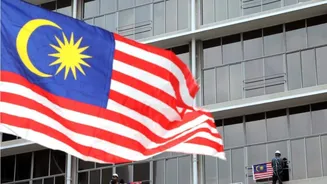
Besides India, the platform has drawn flak from authorities in the UK and Malaysia too. Ofcom, the UK's independent communications regulator, in a recent social media post, said: "We are aware of serious concerns raised about a feature on Grok on X that produces undressed images of people and sexualised images of children".