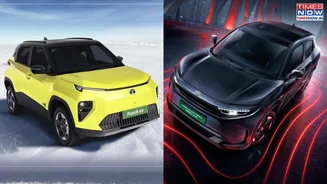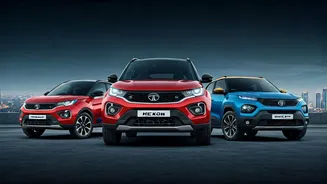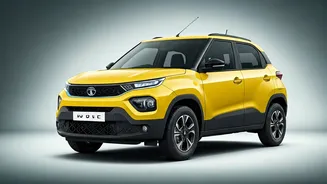

Tata Motors, in its recent earnings call, confirmed plans for a fourth-quarter price hike, while sources suggest Mahindra & Mahindra may follow suit, likely in February 2026.
Maruti Suzuki, which commands nearly 40% of the passenger vehicle market, and Hyundai India, with around a 14% share, have yet to announce any price revisions.
Luxury brands, however, are moving ahead with price adjustments effective 1 January 2026: Mercedes-Benz will raise prices by up to 2%, BMW by 3%, and MG Motor by 2%. Volvo is also expected to increase prices during the same period.
Major internal combustion engine (ICE) two-wheeler manufacturers have not yet taken a call on price hikes. However, Ather Energy, one of the leading electric two-wheeler (e2W) players, has announced an increase of up to ₹3,000 on its scooters, citing rising production costs.
Industry analysts attribute the expected hikes to higher input costs for steel, aluminium, electronics, and batteries, along with the impact of rupee depreciation on imported components.
“With costs rising across the board, gradual price adjustments are necessary to protect margins. While passenger demand remains robust, manufacturers need to balance affordability with sustainable operations,” said an industry analyst.
The price increases are expected to be incremental and, while they may add to the overall cost of ownership, the sector remains confident that demand will stay steady, particularly for popular models and electric offerings.
Registration data from the VAHAN website shows the passenger vehicle segment growing 14% and the two-wheeler segment nearly 4% year-to-date. Between April and December 2025, four-wheeler registrations rose almost 15%, while two-wheelers increased by around 18%.
If the industry maintains current December growth rates, the implied growth for Q4 FY26 would be 8% for two-wheelers and -3% for four-wheelers to meet targeted FY26 estimates.
According to Elara Securities, FY26 growth is projected at 9% for two-wheelers and 5.5% for four-wheelers, with potential upgrades expected for the passenger vehicle segment.
While price hikes may marginally increase ownership costs, the strong demand trajectory and sustained growth momentum across both passenger vehicles and two-wheelers indicate that the Indian auto sector is well positioned to maintain growth in FY26 despite rising input pressures.