






What is the story about?
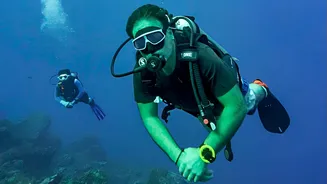
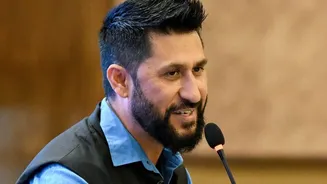
Congress leader Rahul Gandhi on Friday shared a video of himself scuba diving in the waters off Great Nicobar Island. Posting the video on World Environment Day, he showcased the island’s coral reefs and marine life while highlighting concerns over the environmental impact of the proposed Great Nicobar mega infrastructure project.
In his post, Rahul Gandhi alleged that the project threatens one of India’s most ecologically sensitive regions. He claimed that tribal communities are facing displacement and that many settlers, including former servicemen relocated to the islands by the government, are not receiving adequate compensation.
“The [Narendra] Modi government and the BJP tell you the Great Nicobar Project is about defence. It is not,” he said.
Rahul Gandhi argued that the expansion of INS Baaz could proceed independently and said that “we will back the government fully”. INS Baaz is a naval air station under the tri-service Andaman and Nicobar Command of the Indian Armed Forces on Great Nicobar Island.
He said the Navy had reportedly sought the expansion of the facility for several years but alleged that those requests had not been acted upon.
Similarly, the Congress leader questioned the argument that the project is essential for a transhipment port. “It is not. India is already building one in Kerala, which is on the mainland.”
At the centre of Rahul Gandhi’s criticism is the project’s environmental impact. “What it actually is: 1.5 crore trees felled. Coral reefs erased from official maps. Soldiers and tribals displaced — so one businessman can build hotels and casinos on India’s most irreplaceable ecological land. I stand for ecologically balanced development. These islands can be the most extraordinary sustainable destination the world has ever seen. That is the India worth fighting for,” he added.
In a separate World Environment Day message directed at young Indians, Rahul Gandhi framed the debate as a question about the country’s future.
He urged citizens to consider whether they wanted an India in which “India’s natural heritage is protected, our tribal communities are safe, and progress works with nature”, or one in which environmental resources are sacrificed. The Congress leader also launched a petition campaign seeking public support for the protection of Great Nicobar Island.
About the Great Nicobar Project
The Great Nicobar Project is a strategic initiative designed to strengthen India’s presence in the Andaman Sea and the wider South-East Asian region. The development is scheduled to be implemented in three phases between 2025 and 2047, covering different parts of the island over time.
The proposed project includes an International Container Transhipment Terminal (ICTT) with a handling capacity of 14.2 million TEUs, a greenfield international airport capable of accommodating 4,000 peak-hour passengers, a 450 MVA gas- and solar-powered energy facility, and a township spread across approximately 16,610 hectares.
In his post, Rahul Gandhi alleged that the project threatens one of India’s most ecologically sensitive regions. He claimed that tribal communities are facing displacement and that many settlers, including former servicemen relocated to the islands by the government, are not receiving adequate compensation.
I visited the southernmost tip of India.
I stood at Indira Point. I walked under trees that have stood for centuries. I dove into coral reefs among the most vibrant on earth.
And I sat with the people who live there. Tribal communities, whose land is being taken away by… pic.twitter.com/RLNtT6L0U4
— Rahul Gandhi (@RahulGandhi) June 5, 2026
“The [Narendra] Modi government and the BJP tell you the Great Nicobar Project is about defence. It is not,” he said.
Rahul Gandhi argued that the expansion of INS Baaz could proceed independently and said that “we will back the government fully”. INS Baaz is a naval air station under the tri-service Andaman and Nicobar Command of the Indian Armed Forces on Great Nicobar Island.
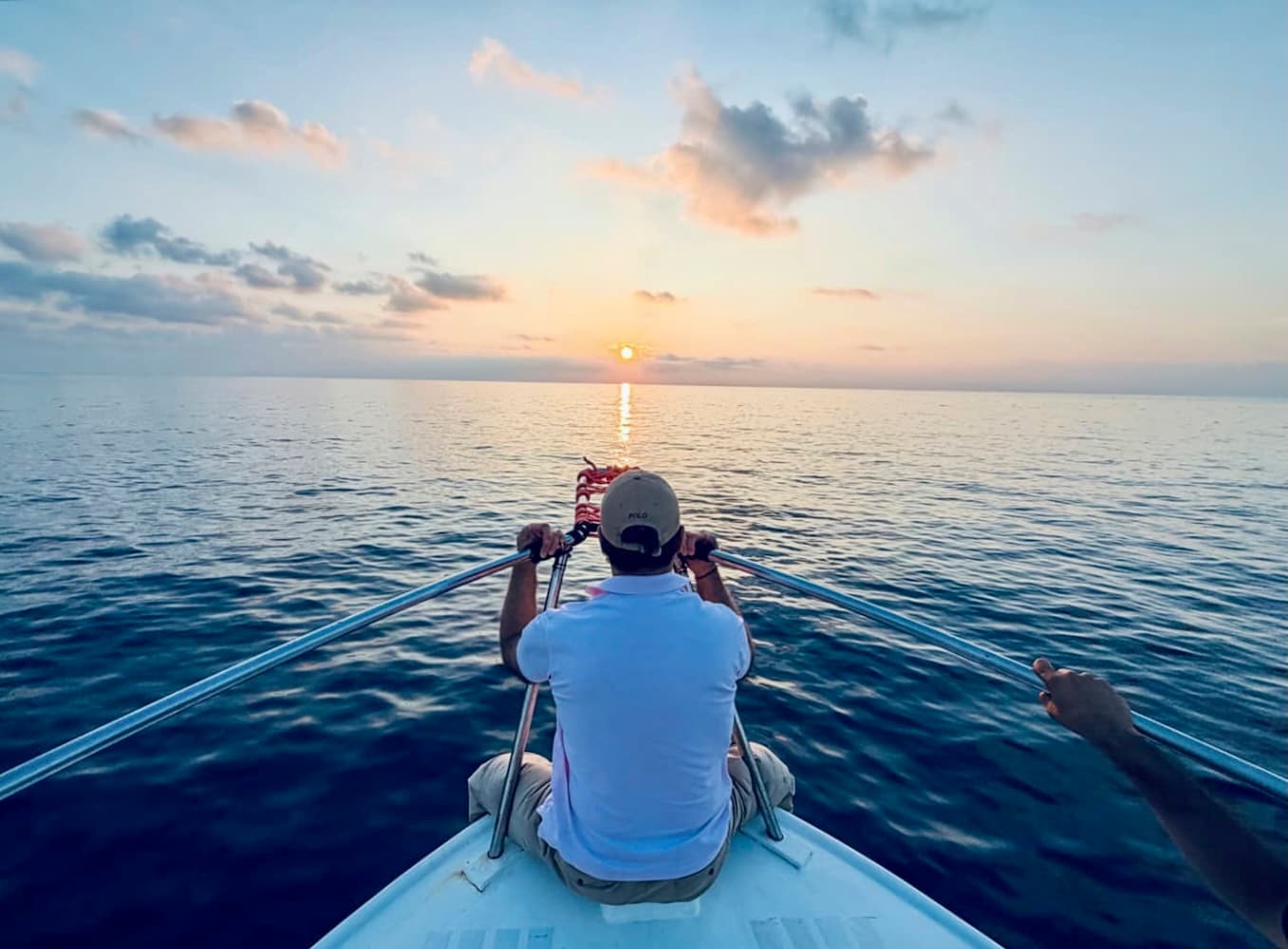
Congress leader Rahul Gandhi during a visit to the Andaman and Nicobar Islands.
He said the Navy had reportedly sought the expansion of the facility for several years but alleged that those requests had not been acted upon.
Similarly, the Congress leader questioned the argument that the project is essential for a transhipment port. “It is not. India is already building one in Kerala, which is on the mainland.”
At the centre of Rahul Gandhi’s criticism is the project’s environmental impact. “What it actually is: 1.5 crore trees felled. Coral reefs erased from official maps. Soldiers and tribals displaced — so one businessman can build hotels and casinos on India’s most irreplaceable ecological land. I stand for ecologically balanced development. These islands can be the most extraordinary sustainable destination the world has ever seen. That is the India worth fighting for,” he added.
In a separate World Environment Day message directed at young Indians, Rahul Gandhi framed the debate as a question about the country’s future.
This #WorldEnvironmentDay, I want to ask every young Indian one question: What kind of India do you want to inherit?
One where rainforests have been bulldozed for casinos, coral reefs erased from maps, tribal communities pushed off their land, and the air we breathe turned into… https://t.co/Wci4BNkGQu
— Rahul Gandhi (@RahulGandhi) June 5, 2026
He urged citizens to consider whether they wanted an India in which “India’s natural heritage is protected, our tribal communities are safe, and progress works with nature”, or one in which environmental resources are sacrificed. The Congress leader also launched a petition campaign seeking public support for the protection of Great Nicobar Island.
About the Great Nicobar Project
The Great Nicobar Project is a strategic initiative designed to strengthen India’s presence in the Andaman Sea and the wider South-East Asian region. The development is scheduled to be implemented in three phases between 2025 and 2047, covering different parts of the island over time.
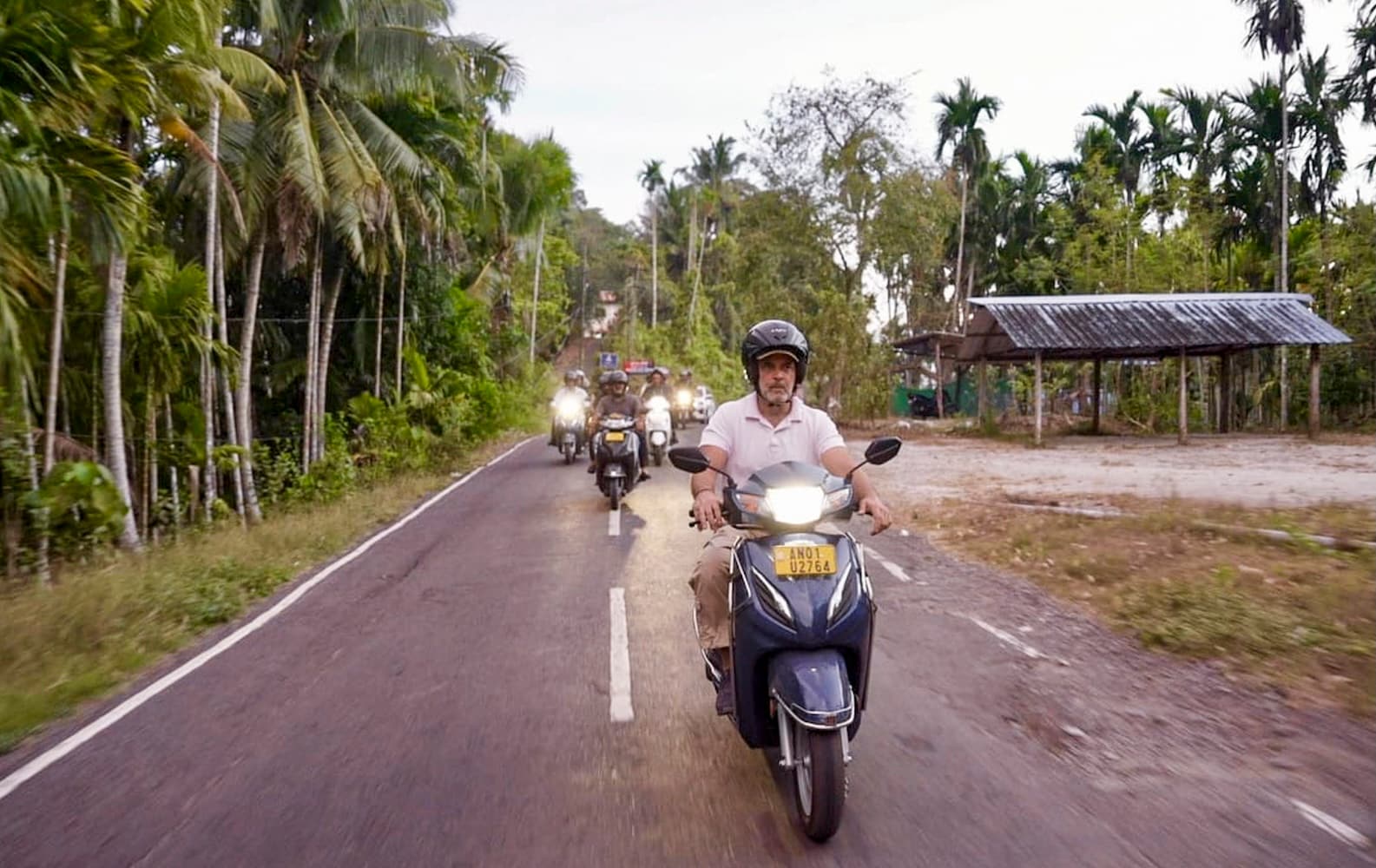
Congress leader Rahul Gandhi rides a scooty during a visit to the Andaman and Nicobar Islands.
The proposed project includes an International Container Transhipment Terminal (ICTT) with a handling capacity of 14.2 million TEUs, a greenfield international airport capable of accommodating 4,000 peak-hour passengers, a 450 MVA gas- and solar-powered energy facility, and a township spread across approximately 16,610 hectares.