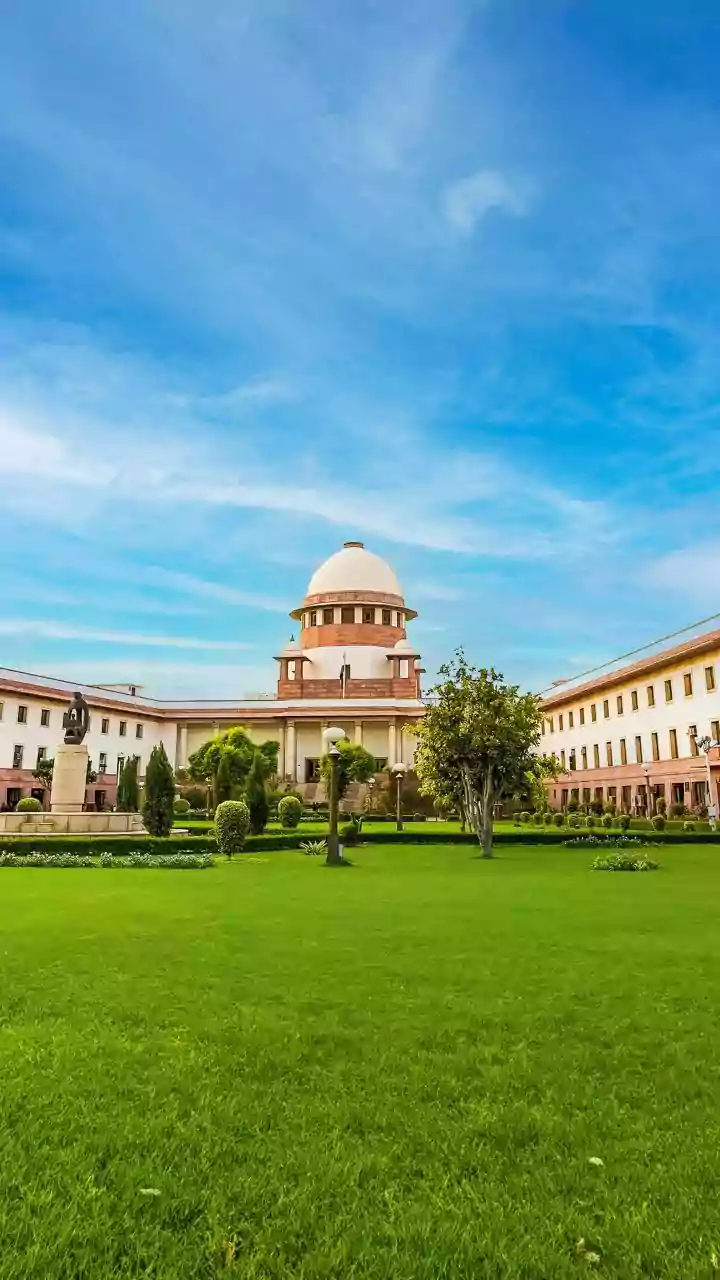

The order was passed by a three-judge bench comprising Chief Justice of India (CJI) Surya Kant, and Justices Dipankar Datta and Joymalya Bagchi while hearing petitions alleging arbitrariness and procedural lapses in the ongoing SIR exercise in West Bengal.
The court stressed that the verification process must be conducted in a manner that does not cause undue stress or hardship to affected individuals. It directed the ECI to publicly display the names of voters who have received notices citing “logical discrepancies” in their enumeration forms. These lists are to be published at gram panchayat bhavans, block offices and ward offices across the state.
Over 1.25 crore voters flagged
The apex court noted that around 1.25 crore notices have been issued to voters in West Bengal. The discrepancies include mismatches in parents’ names, unusually low age gaps between voters and their parents, or age differences exceeding acceptable limits, as per LiveLaw.
Logical discrepancies identified during progeny linking with the 2002 voter list include cases where the age difference between a voter and their parent is less than 15 years or more than 50 years, the court was informed.
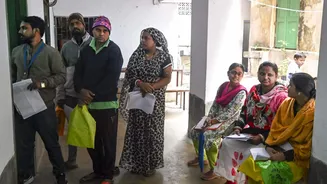
Taking note of concerns raised by petitioners that voters may be forced to travel long distances to respond to the notices, the court directed that offices for submitting documents or objections be set up within panchayat bhavans or block offices. This, the bench said, would make the process more accessible and reduce inconvenience, as per LiveLaw.
Read more: Priya Kapur files defamation case against Sunjay Kapur’s sister; Mandhira Kapur Smith reacts
The court further clarified that individuals who have received notices will be permitted to submit their documents or objections through authorised agents, including Booth Level Agents (BLAs). Such authorisation must be made through a letter bearing a signature or thumb impression, as per LiveLaw.
If the documents submitted are found to be unsatisfactory, election officers must provide the concerned individuals with an opportunity of being heard.
Administrative and law-and-order safeguards
To ensure accountability, the Supreme Court directed election officials to certify the receipt of documents and the conduct of hearings. The state government was instructed to provide adequate manpower to assist the ECI during the process.
“The state government shall provide adequate man power to the State Election Commission for the deployment at the panchayat bhavans and block offices,” the bench observed, as per news agency PTI.
Additionally, the Director General of Police of West Bengal was directed to ensure that no law-and-order issues arise during the exercise.