



What's Happening?
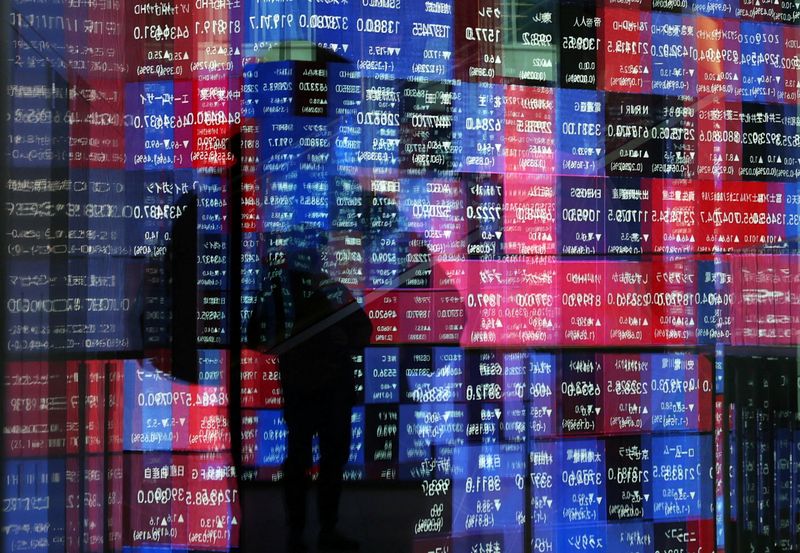
Taiwan's Financial Supervisory Commission (FSC) has implemented a comprehensive ban on short selling of local stocks below the previous day's closing price, effective November 23. This measure, announced
on Saturday, is a response to the Taiex experiencing its worst week since 1991, with a nearly 18% loss. The ban applies to both margin short sales and sales of borrowed shares, though securities and futures firms shorting for hedging purposes are exempt. This is the third set of short-selling restrictions introduced this month, following earlier curbs on intraday short sales and a ban on shorting below the previous close for stocks that had fallen by at least 3.5% the prior day. Additionally, the FSC increased the minimum margin for short sales from 130% to 150% and ceased accepting applications for new put warrants.
Why It's Important?
This aggressive intervention by Taiwan's financial regulator highlights significant concerns about market stability and investor confidence, particularly in the technology sector. The Taiex's sharp decline, partly attributed to doubts about the profitability of AI spending and worries about tighter U.S. regulation of AI, indicates a broader unease in global tech markets. Taiwan is a critical player in the global technology supply chain, especially in semiconductors, making its market stability crucial for international business and economic stakeholders. The measures aim to prevent further downward spirals and restore order, but their effectiveness will be closely watched. The move also signals a potential ripple effect on other Asian markets heavily invested in technology, as similar concerns about AI investment returns could spread.
What's Next?
The immediate next step is the implementation of the full short-selling ban on November 23. Market participants will be observing whether these stringent measures can halt the Taiex's decline and restore investor confidence. The National Financial Stabilization Fund, which has been actively buying shares since November 6, will likely continue its efforts to support the market. The effectiveness of these interventions will determine if further regulatory actions are deemed necessary. The situation in Taiwan could also influence regulatory discussions in other markets facing similar pressures, particularly concerning the volatility driven by speculative trading and investor sentiment around emerging technologies like AI. The global tech industry will be closely monitoring Taiwan's market recovery as an indicator of broader trends.
Beyond the Headlines
The expanded short-selling ban in Taiwan reflects a broader global debate among financial regulators regarding the role of short selling in market stability, especially during periods of high volatility. While short selling can provide liquidity and price discovery, it can also exacerbate market downturns. This situation underscores the delicate balance regulators must strike between allowing efficient market mechanisms and preventing excessive speculation that could lead to systemic risks. The concerns about AI spending profitability and potential U.S. regulatory tightening on AI suggest a maturing phase for the AI industry, where initial hype is giving way to more scrutiny of tangible returns and ethical implications. This could lead to a re-evaluation of investment strategies in technology sectors globally, impacting venture capital flows and corporate valuations in the long term.