


What's Happening?
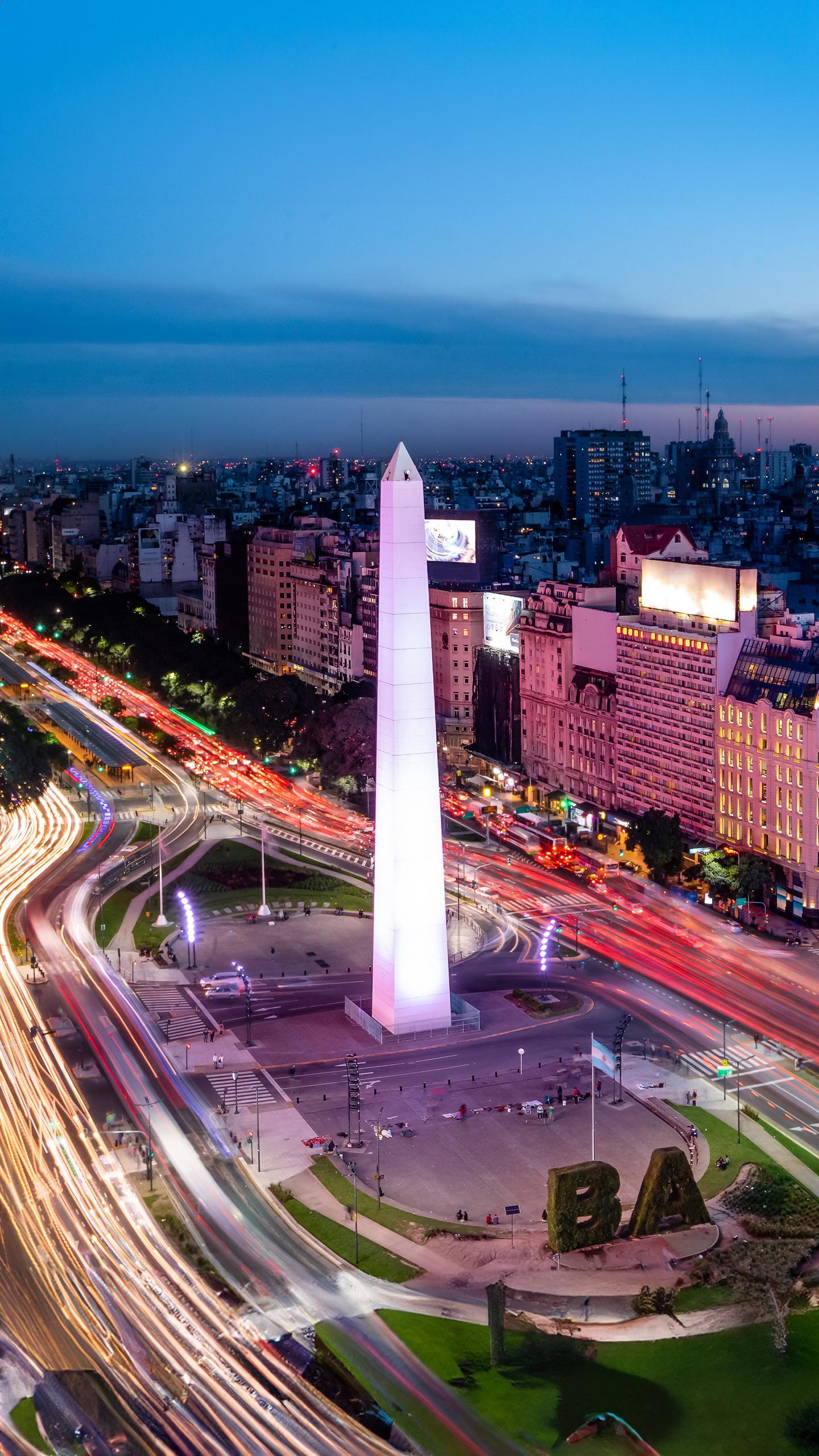
In January, Buenos Aires transforms into an outdoor-centric city as many locals go on vacation, leading to calmer streets and a more relaxed pace. The summer heat encourages residents and visitors to engage
in outdoor activities, making the most of the long days and warm nights. The city offers a variety of options, including exploring vast green spaces, visiting museums, taking trips to the Delta, and enjoying rooftop nights. This period provides a unique opportunity to experience the Argentine capital without the usual hustle and bustle, with a rich cultural calendar and food hubs coming alive under the stars. The focus is on adapting to the high temperatures and discovering the city's vibrant outdoor life.
Why It's Important?
This seasonal shift in Buenos Aires highlights the city's adaptability and its diverse appeal beyond its well-known attractions. By emphasizing outdoor activities and a slower pace, it caters to a different segment of tourists and offers a unique experience for those visiting during the summer months. This approach can help manage tourist flow throughout the year, reducing overcrowding during peak seasons and promoting sustainable tourism. For local businesses, particularly those in hospitality, food, and outdoor recreation, it presents an opportunity to tailor their offerings to the summer demand, potentially boosting economic activity during a period when some traditional businesses might slow down. It also showcases the city's green spaces and cultural institutions, reinforcing their importance as community assets.
What's Next?
As Buenos Aires continues to promote its January offerings, there is potential for further development of outdoor-focused events and infrastructure. This could include expanding guided tours of parks and natural areas, organizing more open-air cultural festivals, and enhancing rooftop venues. The city might also invest in initiatives to make public spaces more comfortable during hot weather, such as increasing shaded areas or water features. Continued emphasis on this seasonal charm could attract a growing number of international and domestic tourists looking for a relaxed, culturally rich summer destination. The city's ability to adapt its rhythm to the climate demonstrates a dynamic approach to urban living and tourism.
Beyond the Headlines
The transformation of Buenos Aires in January reflects a broader global trend where cities are increasingly adapting to climate patterns and leveraging their natural and cultural assets to create unique seasonal experiences. This adaptation is crucial for urban resilience in the face of changing environmental conditions. Furthermore, the emphasis on outdoor activities and a slower pace can contribute to the well-being of residents and visitors, promoting a healthier and more balanced lifestyle. It also underscores the importance of urban planning that integrates green spaces and public areas, recognizing their value not just for recreation but also for cultural expression and community gathering.