
What's Happening?
Westminster City Council has unanimously approved plans to transform the Grade II*-listed building at 3 Savile Row in central London into a seven-story 'cultural experience and exhibition' dedicated to The
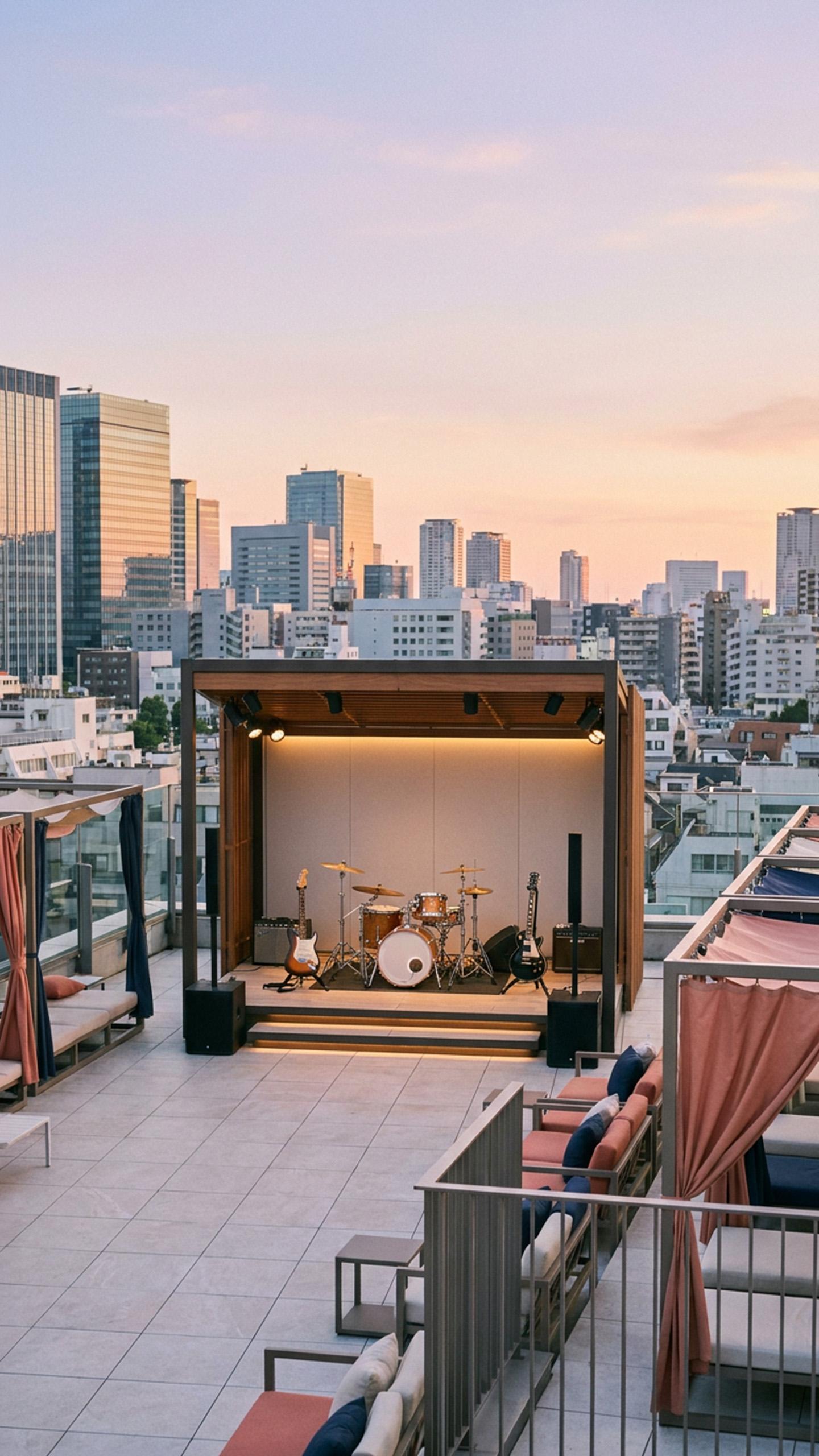
Beatles. This site served as the band's headquarters from 1968 to 1972 and was the location of their final public performance on the rooftop in 1969. Apple Corps, The Beatles' intellectual property company, re-acquired the building in May and plans to open it to the public in 2027. The attraction will feature a basement cafe-bar, a replica studio, and an exhibition shop. However, a significant condition of the approval is a ban on live music on the rooftop, though amplified music at controlled noise levels will be permitted. Concerns were raised by local tailoring businesses regarding potential noise and increased visitor numbers, but the council was assured that a live booking system would manage crowds.
Why It's Important?
The approval of the Beatles attraction at 3 Savile Row marks a significant development for music tourism and cultural preservation in London. This site holds immense historical value as the location of The Beatles' iconic rooftop concert, their last public performance. Transforming it into a public exhibition allows fans worldwide to connect directly with a pivotal moment in music history, potentially drawing a substantial number of visitors and boosting local tourism. The restriction on live rooftop music, however, represents a compromise between historical authenticity and urban planning concerns, aiming to mitigate potential disruptions to the surrounding businesses. This decision reflects the ongoing challenge of balancing commercial development, historical preservation, and community impact in densely populated urban areas, particularly when dealing with globally recognized cultural landmarks.
What's Next?
Apple Corps plans to open the Beatles attraction at 3 Savile Row in 2027, following the unanimous approval from Westminster City Council. The development will proceed with the establishment of a basement cafe-bar, a replica studio, and an exhibition shop, all designed to immerse visitors in the band's history. The operational model will include a live booking system to manage the anticipated influx of up to 1,140 visitors daily on weekends, addressing concerns from local businesses about congestion. The site is also expected to feature prominently in the upcoming quartet of Beatles biopics directed by Sam Mendes, scheduled for release in 2028, which will likely further boost interest in the physical location. The success of this attraction will be closely watched as a model for future cultural heritage projects.
Beyond the Headlines
The transformation of 3 Savile Row into a Beatles attraction, despite the rooftop live music ban, highlights a broader trend in cultural heritage tourism: the commodification and curated experience of historical sites. While offering fans a tangible connection to their idols, the prohibition of live music on the iconic rooftop raises questions about the authenticity of the 'experience' versus the preservation of urban tranquility. It underscores the tension between recreating historical moments and adapting them to modern regulatory and community standards. This development also reflects the enduring global appeal of The Beatles, demonstrating how their legacy continues to drive economic and cultural initiatives decades after their disbandment. The project serves as a case study in how cities manage the intersection of historical significance, commercial viability, and local community concerns.