
What's Happening?
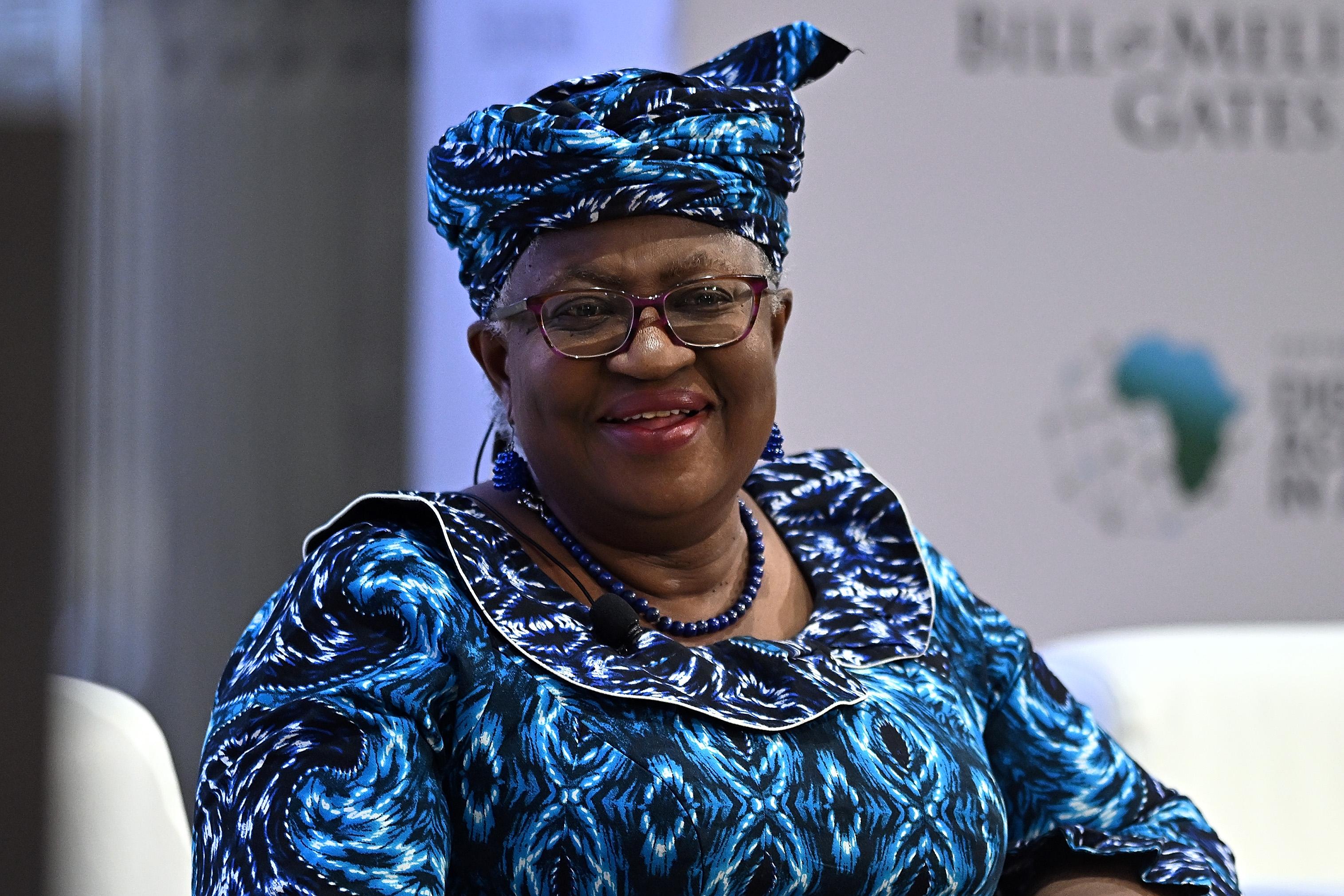
Dr. Ngozi Okonjo-Iweala, Director-General of the World Trade Organization (WTO), recently addressed the 14th annual CNBC Africa All Africa Business Leaders Awards (AABLAs) in Johannesburg, South Africa.
During her keynote speech, Dr. Okonjo-Iweala characterized global trade as a 'geopolitical battleground' marked by unilateral tariffs, export restrictions, and the weaponization of economic relationships. She underscored the critical role of regional integration, particularly for Africa, in navigating these challenges. Furthermore, Dr. Okonjo-Iweala pointed out that ongoing conflicts and climate change are significantly disrupting trade. She cited extreme weather events as impacting agricultural and industrial production, and complicating the transportation of goods across various regions, including the Rhine River in Europe and the Panama Canal in Latin America. At the event, she was also honored with the 'African of the Decade' award for her contributions to economic reform and advocacy for fair and inclusive global trade.
Why It's Important?
The remarks by the WTO Director-General are important because they highlight the multifaceted challenges currently facing global trade, which have direct implications for U.S. economic interests and policy. The characterization of trade as a 'geopolitical battleground' suggests an environment where U.S. businesses may face increased uncertainty due to tariffs and export restrictions, potentially affecting supply chains and market access. The emphasis on regional integration in Africa, while seemingly distant, can influence global trade dynamics by creating new economic blocs and shifting trade flows, which could present both opportunities and challenges for U.S. companies seeking to expand into African markets. Moreover, the disruption of trade by conflict and climate change, as exemplified by issues in major shipping routes like the Panama Canal, directly impacts the cost and efficiency of international shipping, affecting U.S. import and export operations and potentially contributing to inflationary pressures. Understanding these global trade headwinds is crucial for U.S. policymakers and businesses in formulating resilient economic strategies.
What's Next?
The WTO Director-General's observations suggest a continued focus on mitigating the impacts of geopolitical tensions and climate change on global trade. For the U.S., this could mean increased diplomatic efforts to de-escalate trade disputes and promote multilateral trade agreements. Businesses might need to further diversify their supply chains and invest in climate-resilient logistics to adapt to disruptions caused by extreme weather. The call for greater regional integration in Africa could lead to new trade agreements and economic partnerships on the continent, which U.S. companies should monitor for potential investment or market entry opportunities. Additionally, the WTO may continue to advocate for policies that foster fair and inclusive trade, potentially influencing future international trade negotiations and regulations that could impact U.S. trade practices and policies. The ongoing challenges underscore the need for adaptive strategies from both government and private sectors to navigate the evolving global trade landscape.
Beyond the Headlines
Beyond the immediate economic implications, Dr. Okonjo-Iweala's comments touch upon deeper systemic issues in global governance and sustainability. The 'weaponization of economic relationships' raises ethical questions about the use of trade as a tool for political leverage, potentially undermining the principles of free and open markets that the U.S. often champions. The impact of climate change on trade, particularly on critical infrastructure like the Panama Canal, highlights the urgent need for global cooperation on environmental issues, as climate-related disruptions are no longer just environmental concerns but significant economic threats. This also brings to light the long-term shift towards more localized or regionalized supply chains as a response to global instability, potentially altering the traditional model of globalized production and consumption. For the U.S., this could mean a re-evaluation of its trade policies to balance global engagement with national resilience and security, fostering a more sustainable and equitable global trading system.