



What's Happening?
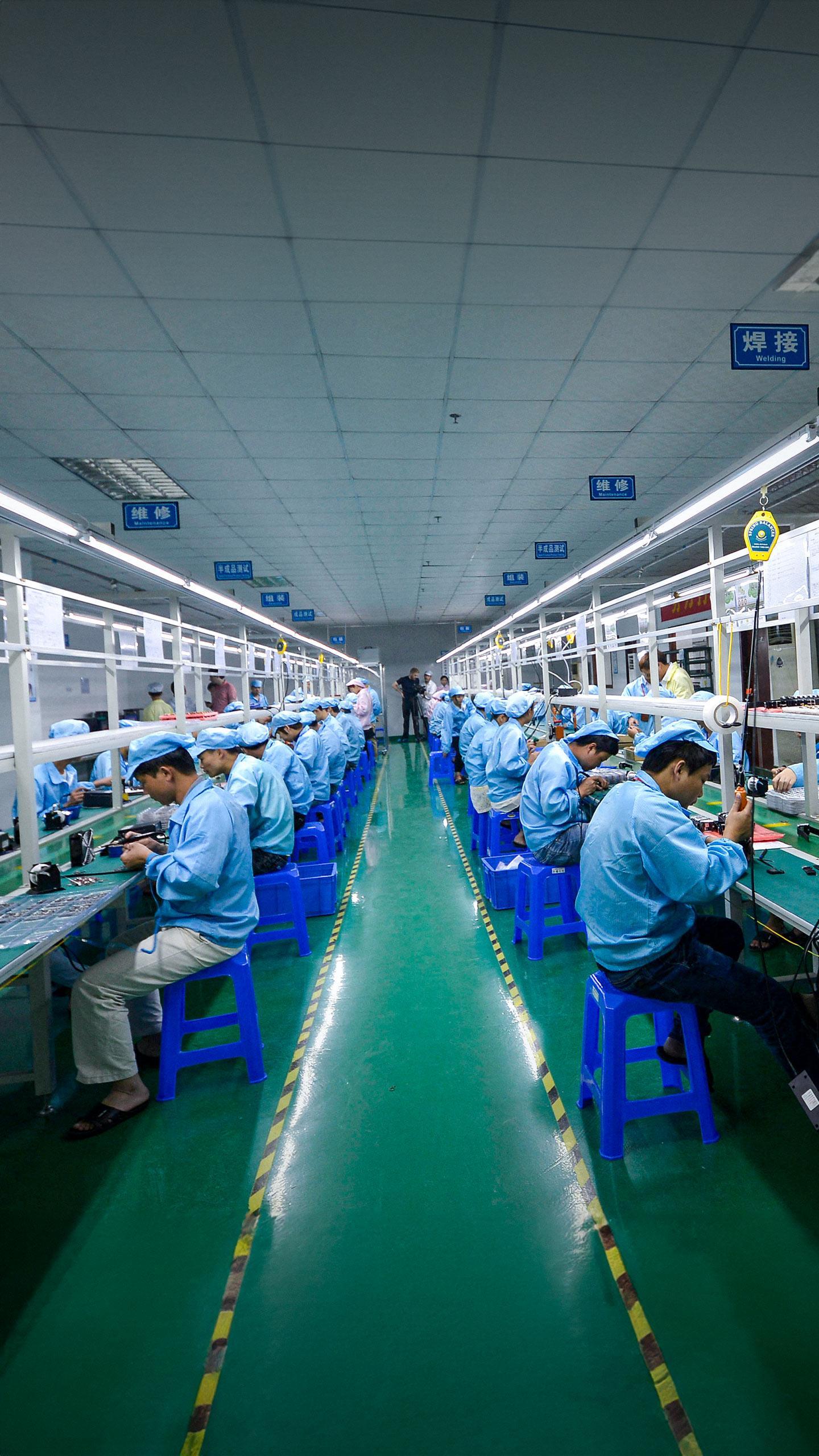
A guide has been issued to assist international buyers, particularly those in cosmetic packaging, in verifying the reliability of factories in China. The guide emphasizes that a reliable factory is one
whose legal identity, actual production site, process capability, quality records, and commercial obligations can be thoroughly checked against the specific product intended for purchase. Key steps include requesting the supplier’s current Chinese business license, full Chinese registered name, and Unified Social Credit Code, then cross-referencing this information with China’s National Enterprise Credit Information Publicity System. Buyers are advised to build a five-column entity map detailing the seller, legal manufacturer, production sites, exporter of record, and payment beneficiary. The guide also stresses the importance of testing whether a factory can produce the specific package required, using capacity arithmetic rather than general 'pieces per day' figures, and requiring evidence of repeatable quality through signed drawings, material specifications, and process control records. It also highlights the need to compare MOQ, price, lead time, export, and after-sales service on a consistent basis.
Why It's Important?
This guide is crucial for international buyers, including those in the U.S., as it addresses significant risks associated with sourcing from overseas, particularly China. By providing a structured methodology for factory verification, it aims to mitigate issues such as fraud, quality inconsistencies, and supply chain disruptions. For U.S. businesses, ensuring the reliability of Chinese suppliers directly impacts product quality, brand reputation, and compliance with import regulations. The emphasis on verifying legal entities and production capabilities helps prevent engagement with shell companies or factories that cannot meet specific product requirements. Furthermore, understanding Incoterms® 2020 rules and the importer of record's responsibility for reasonable-care entry, classification, and valuation, as stated by CBP for U.S. imports, is vital for avoiding legal and financial penalties. This systematic approach can lead to more secure and efficient international trade relationships, protecting U.S. consumers and businesses from substandard products and unethical practices.
What's Next?
International buyers are encouraged to adopt the outlined verification checklist before committing to purchases from Chinese factories. This involves a two-stage decision process: first, applying non-negotiable gates such as traceable legal entities and disclosed manufacturing sites, and then comparing qualified suppliers based on weighted factors like technical fit, demonstrated capacity, and quality system records. Buyers should request a comprehensive evidence pack including business licenses, site maps, applicable certificates, machine lists, batch records, and detailed specifications. The guide also provides 'stop signs' for potential issues, such as unverified changes in bank details or refusal to identify production sites, which should prompt a pause in the purchasing process. Implementing these recommendations will lead to more rigorous due diligence, potentially shifting the landscape of international sourcing towards greater transparency and accountability. This could also influence how Chinese manufacturers present their capabilities and engage with foreign buyers, fostering more robust and trustworthy supply chains.