



What's Happening?
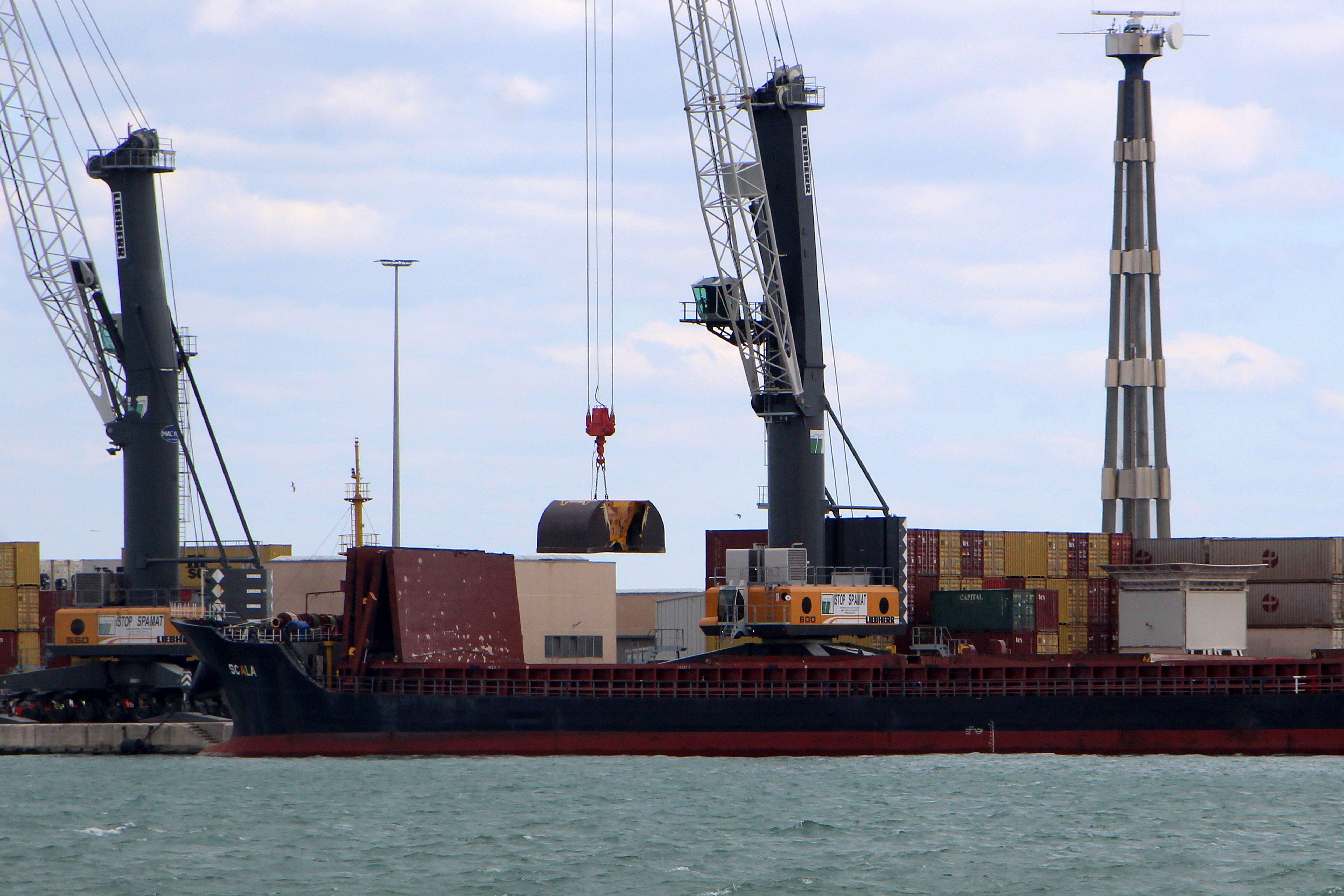
Liebherr recently held an 'MK Week' event in Italy, providing customers with live demonstrations and technical discussions about its MK 88 Plus mobile construction crane. The event highlighted the crane's
various setup configurations, including operation with the jib in horizontal and angled positions (15°, 30°, and 45°). A key focus was the crane's flexible power supply, which allows it to operate from the mains or via an integrated diesel generator. Liebherr crane operators, alongside teams from the Liebherr Academy and Services division, used real-world examples to illustrate how the MK 88 Plus can be adapted to diverse on-site requirements. The Liebherr Academy also provided in-depth knowledge through its training programs on products, applications, and services. The MK series, designed as 'taxi cranes,' aims to broaden the application range for crane hire companies due to their quick setup and single-person operation capabilities.
Why It's Important?
The demonstration of the Liebherr MK 88 Plus mobile construction crane is significant for the construction and heavy lifting industries, particularly for companies seeking efficient and flexible equipment solutions. The 'taxi crane' principle, which allows for rapid deployment and operation by a single individual, can lead to substantial cost savings by reducing the need for additional staff and transport. This efficiency is crucial for projects with tight schedules and budgets. The crane's compact dimensions and high lifting height make it particularly valuable for urban construction sites or areas with limited space and high interfering edges, where larger cranes might be impractical. The flexible energy options, including mains power and an integrated generator, enhance operational versatility, ensuring continuous work even in locations with unreliable power access. The 'Plus option,' offering up to a ten percent increase in lifting capacity under specific conditions, provides an economic advantage by maximizing the crane's utility and expanding its range of applications without requiring a larger, more expensive machine.
What's Next?
Liebherr will likely continue to promote the MK 88 Plus and its MK series through similar demonstrations and training programs, emphasizing the economic and operational benefits for crane hire companies and construction firms. The company's focus on the 'taxi crane' principle suggests a strategic push towards solutions that offer greater flexibility and reduced operational costs. The Liebherr ReWork programme, which offers reconditioned used cranes, indicates a commitment to providing more accessible entry points into the MK series, potentially expanding its market reach to smaller businesses or those with limited capital for new equipment. This program ensures certified quality and manufacturer support, which could build customer confidence in used machinery. Future developments may include further enhancements to assistance systems and operational modes to improve precision, safety, and efficiency, aligning with the evolving demands of the construction industry for smarter and more adaptable heavy machinery.
Beyond the Headlines
The emphasis on single-person operation and rapid deployment for cranes like the MK 88 Plus reflects a broader trend in the construction industry towards automation and efficiency. This shift could lead to changes in labor requirements and training, with a greater demand for highly skilled operators capable of managing complex machinery independently. The 'taxi crane' concept also highlights the increasing importance of versatility and adaptability in construction equipment, driven by diverse project needs and often constrained urban environments. Furthermore, the dual power supply options underscore a growing industry awareness of energy efficiency and environmental considerations, as electric operation can reduce emissions and noise pollution on job sites. The availability of reconditioned cranes through programs like Liebherr ReWork also points to a more sustainable approach to equipment lifecycle management, promoting reuse and reducing waste, which could become a more prevalent practice across the heavy machinery sector.