



What's Happening?
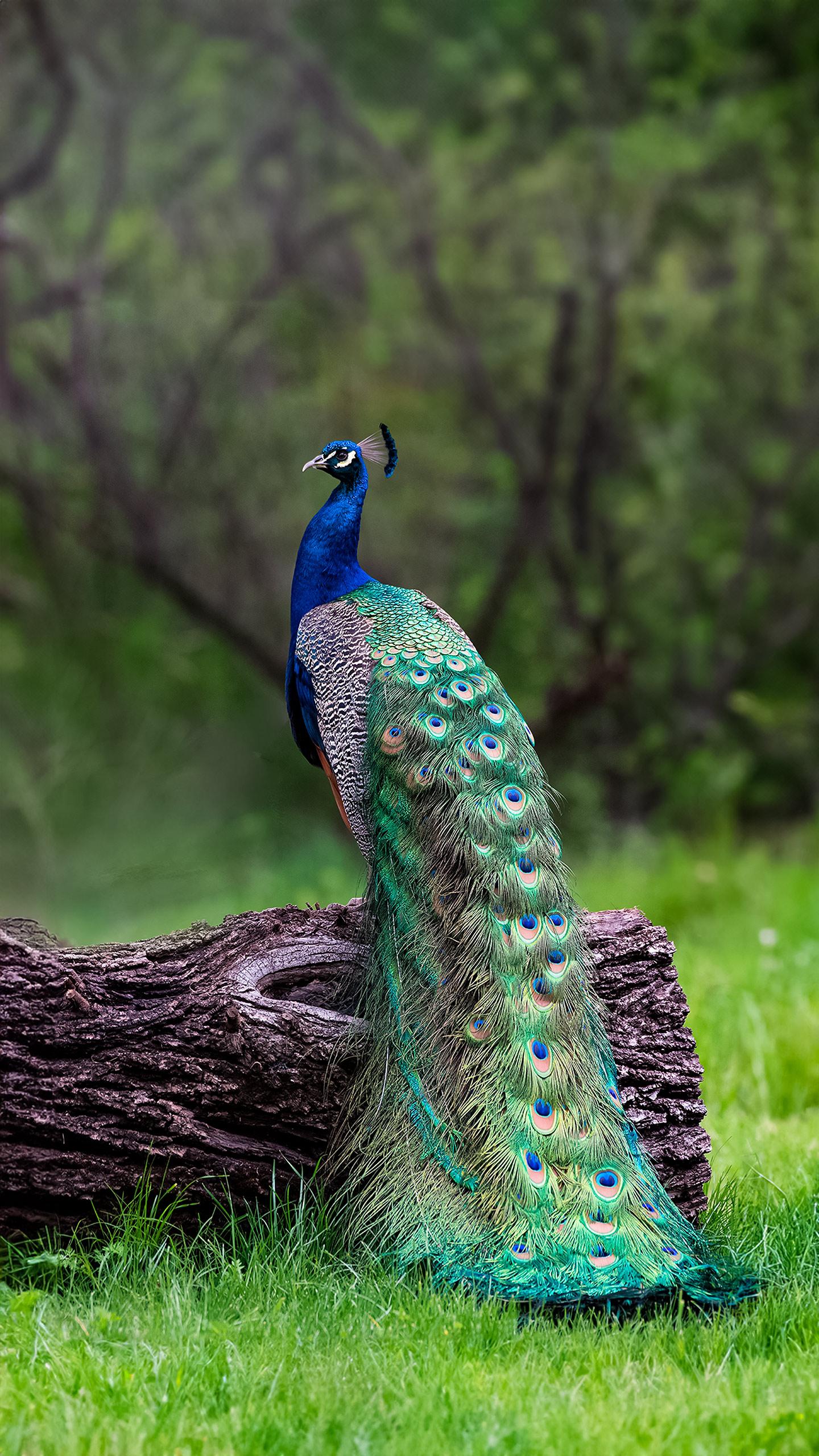
A male peacock, identified as Hex, caused a week-long stir in Alexandra Hills, a suburb of Brisbane, Australia, after breaking into the home of Geoff and Delwyn Ballantyne. The bird was found gazing at
its reflection in a bathroom vanity mirror. Wildlife rescuers initially captured and released Hex into nearby bushland, but he subsequently began appearing daily at the property of another resident, Suzie Tafolo. Tafolo, after researching peacock behavior, discovered that peacocks are attracted to mirrors, which likely explains his initial entry into the bathroom. The peacock's owner, local tattoo artist Elliot Ross, confirmed Hex's identity from photos. The bird became a community-wide focus, with hundreds of locals tracking his movements on social media. Eventually, Hex was cornered in a backyard and captured with the help of family friend Jordy Barker, who had experience catching similar birds.
Why It's Important?
While this event occurred in Australia, it highlights several broader implications regarding human-wildlife interactions, particularly in suburban environments. The incident underscores how easily domestic or semi-domesticated animals can become disoriented or attracted to human structures, leading to unexpected encounters. The community's extensive involvement, utilizing social media to track and eventually capture the bird, demonstrates the power of collective action and digital platforms in local events. Furthermore, the peacock's attraction to its reflection, interpreted by an urban ecologist as a search for companionship rather than vanity, offers insight into animal psychology and behavior. The need for specialized wildlife rescue and the subsequent veterinary care for ticks also points to the challenges and responsibilities associated with keeping exotic pets and managing their welfare when they stray.
What's Next?
Following his capture, Hex was found to have multiple ticks and was rushed to a 24-hour veterinary clinic for treatment with an antiserum typically used for dogs. He responded well to the treatment and has since returned home to his owner, Elliot Ross, and the family's peahen, Nyx. Ross had reportedly been planning to acquire another female peacock that weekend, suggesting a potential expansion of his peacock flock. The community, having been actively involved in Hex's week-long escapade, will likely continue to monitor his presence, albeit now from a distance. The incident may also prompt local discussions or awareness campaigns regarding responsible pet ownership, particularly for exotic animals, and how to manage their interactions with the suburban environment.
Beyond the Headlines
This seemingly lighthearted incident touches upon deeper themes of animal welfare, urban ecology, and community engagement. The peacock's attraction to its reflection, a behavior often observed in birds, raises questions about animal self-recognition and social needs. The rapid mobilization of the community through social media to track and assist in the bird's capture illustrates the evolving nature of local problem-solving and the role of digital tools in fostering collective action. Ethically, the event prompts consideration of the responsibilities that come with owning exotic animals, especially in residential areas, and the potential impact on both the animal's well-being and the local ecosystem. The story serves as a reminder of the unpredictable nature of wildlife, even when domesticated, and the often-charming ways in which animals can intersect with human lives.