



What's Happening?
The Gombey dance tradition of Bermuda, known for its vibrant costumes and rhythmic drumming, has deep historical ties to enslaved Native Americans from New England. Irwin Trott, master drummer and founder
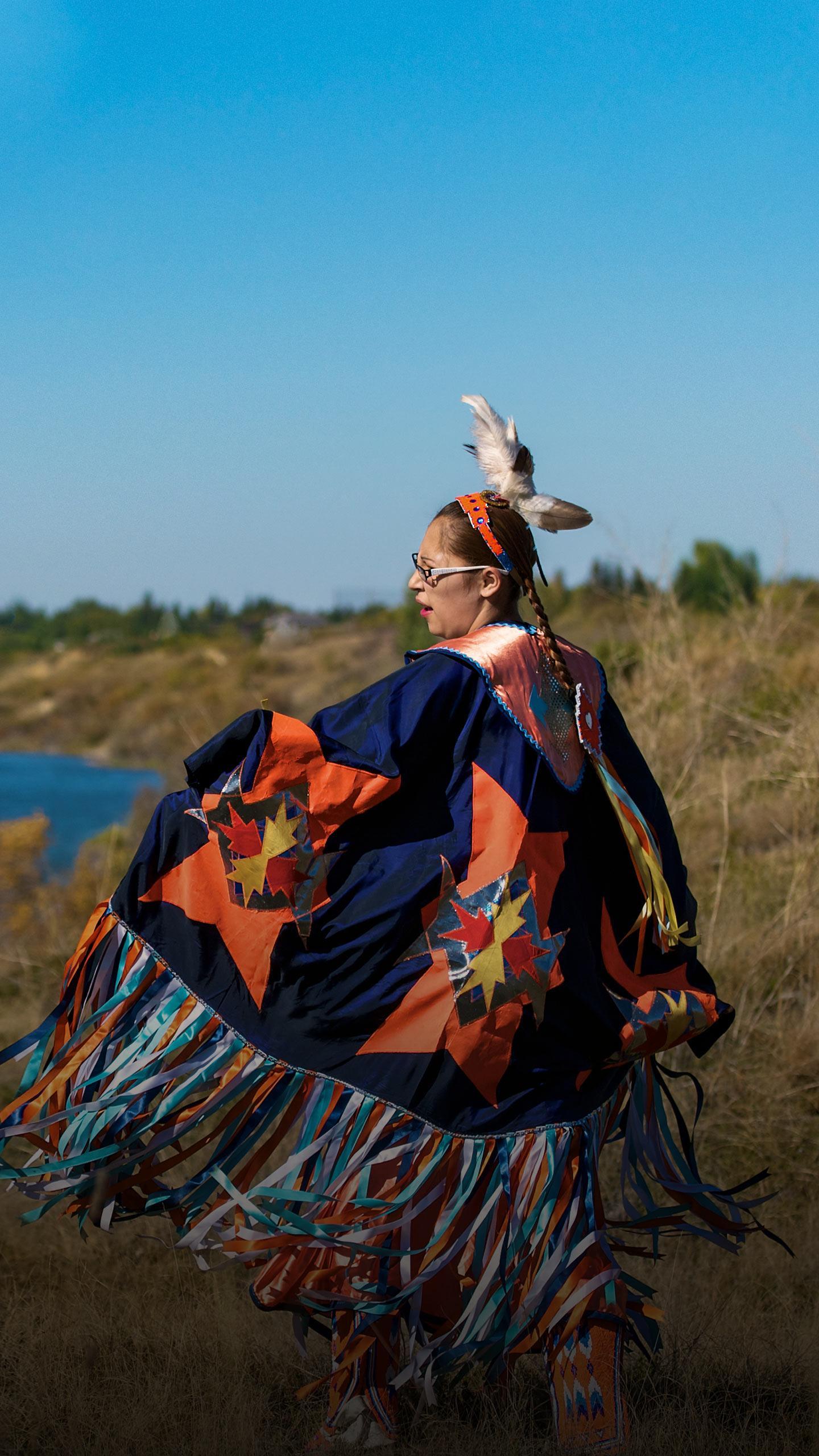
of the Warwick Gombey Troupe, is a descendant of these Native captives who were kidnapped and sold into slavery in Bermuda centuries ago. While the Gombey tradition has long acknowledged its African roots, Trott is committed to highlighting its Indigenous influences, which were often overlooked due to racist colonial stereotypes that depicted Native peoples as 'savages.' Centuries ago, enslaved Native Americans in Bermuda intermarried with enslaved and free African and European communities, forming a unique cultural blend that is central to Gombey. The tradition, which began over 200 years ago, served as a symbol of resistance against slavery and oppression, even enduring a ban in 1761 by colonists who feared it might incite revolt. The Warwick Gombey Troupe performs internationally, including at the Mashantucket Pequot Tribal Nation’s annual powwow, Schemitzun, in Connecticut, where Trott emphasizes the power and strength derived from dancing on ancestral lands.
Why It's Important?
This revelation about the Gombey dance's Native American roots is important for several reasons. Firstly, it recontextualizes a significant cultural tradition, providing a more complete and accurate historical narrative that acknowledges the often-erased contributions and suffering of enslaved Indigenous peoples. For Native American communities in New England, particularly those whose ancestors were forcibly removed, this connection offers a tangible link to a diaspora and a shared heritage of resilience. It challenges colonial narratives that sought to diminish or deny the presence and influence of Native Americans. Furthermore, it highlights the enduring impact of the transatlantic slave trade, not just on African populations but also on Indigenous communities, fostering a broader understanding of historical injustices. The Gombey tradition's role as a symbol of resistance underscores the power of cultural expression in the face of oppression, offering a powerful message of survival and identity for descendants of enslaved peoples.
What's Next?
The Warwick Gombey Troupe, led by Irwin Trott, will likely continue its efforts to educate audiences about the Native American roots of the Gombey tradition through performances and cultural exchanges, such as their appearances at the Mashantucket Pequot Tribal Nation’s powwow. This ongoing engagement will help to further solidify the historical connections between Bermudian and New England Indigenous communities. Researchers and historians may delve deeper into archival records to uncover more details about the enslaved Native Americans transported to Bermuda, potentially leading to new academic insights and public awareness campaigns. For the descendants of these enslaved individuals, this increased understanding of their heritage could foster stronger cultural ties and a renewed sense of identity. The narrative of Gombey's resistance against colonial suppression will continue to serve as an inspiring example of cultural resilience and the enduring power of tradition.
Beyond the Headlines
The story of Gombey dance transcends a mere cultural performance; it is a profound narrative of survival, cultural fusion, and resistance against historical injustices. The deliberate suppression of Native American influence in its history reflects a broader pattern of colonial powers attempting to erase Indigenous identities and contributions. By bringing these connections to light, the Gombey tradition becomes a powerful tool for historical reclamation and reconciliation. It encourages a deeper examination of how diverse enslaved populations interacted and forged new cultural expressions under duress. Ethically, it prompts reflection on the responsibility of contemporary societies to acknowledge and honor the full scope of their historical past, including uncomfortable truths about slavery and cultural appropriation. Culturally, it enriches the understanding of both Bermudian and Native American heritage, demonstrating how traditions can evolve and endure as living testaments to human resilience and the persistent quest for identity and freedom.