




What's Happening?
Vietnam's average economic output per person is projected to reach $5,259 in 2026, surpassing Indonesia's $5,153, according to the International Monetary Fund (IMF). This marks a significant milestone,
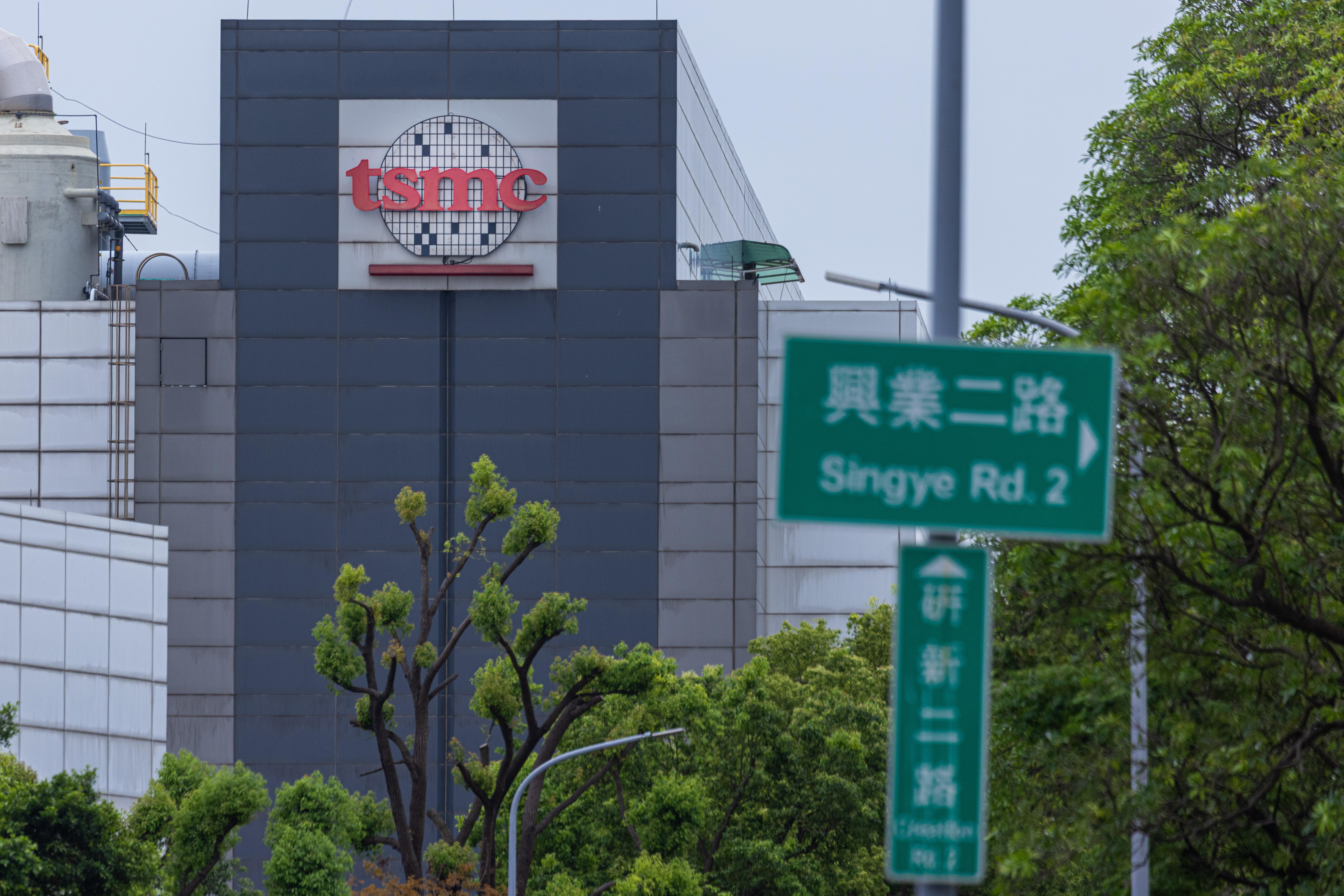
as Vietnam was approximately $250 behind Indonesia last year, and the IMF's April outlook still anticipated Indonesia to maintain its lead. This shift positions Vietnam as fifth among ASEAN members by GDP per capita, trailing Singapore, Brunei, Malaysia, and Thailand, but ahead of Indonesia and the Philippines. Vietnam's economic surge is attributed to its growing role in high-tech manufacturing, particularly semiconductors and electronics, with major foreign companies like Foxconn and Samsung expanding production there. Additionally, substantial public spending on infrastructure, including roads and airports, has fueled its growth, with the IMF forecasting an 8.4% growth rate for Vietnam this year, compared to Indonesia's 5.1%.
Why It's Important?
This development is crucial for U.S. businesses and investors, as it highlights Vietnam's emergence as a key economic player in Southeast Asia. Vietnam's success in attracting foreign direct investment in high-tech manufacturing makes it an increasingly attractive location for U.S. companies seeking diversified supply chains and production bases outside of China. The rising GDP per capita in Vietnam indicates a growing consumer market, which could present new opportunities for U.S. exporters of consumer goods, financial services, and other products. Conversely, Indonesia's slower growth, despite being the region's largest economy, suggests that its reliance on commodity exports and domestic consumption may be less dynamic than Vietnam's export-oriented manufacturing model. This regional economic shift could influence U.S. foreign policy and trade strategies, encouraging stronger engagement with Vietnam and a re-evaluation of investment priorities in Southeast Asia.
What's Next?
The IMF projects Vietnam to maintain its lead in GDP per capita in 2027, suggesting a sustained shift in relative growth rates. Vietnam aims to further increase its GDP per capita to approximately $8,500 by 2030, a level comparable to Thailand today, which would require continued high growth and a move towards higher-value activities like design and research. However, Vietnam's economic model, heavily reliant on foreign-owned factories and exports, faces risks, particularly from potential U.S. tariffs related to intellectual property. For Indonesia, the challenge lies in diversifying its economy beyond commodities and building a more robust manufacturing export base to compete with Vietnam's dynamism. Both countries will be closely watched by investors and policymakers as they navigate their respective growth paths and address external risks.
Beyond the Headlines
Vietnam's economic trajectory offers a compelling case study for developing nations on the benefits of integrating into global supply chains and investing in infrastructure. The reliance on foreign-owned factories, while driving export growth, also raises questions about the distribution of profits and the development of domestic companies. This highlights a broader challenge for emerging economies: how to leverage foreign investment for sustainable, inclusive growth. The shift in economic leadership within ASEAN could also foster increased competition and cooperation among member states, potentially leading to new regional trade agreements and investment flows. For the U.S., understanding these nuanced economic dynamics is essential for crafting effective trade policies and fostering strategic partnerships that support both American interests and regional stability. The story also underscores how exchange rate fluctuations can influence nominal GDP per capita figures, even if real economic activity remains stable.