
What's Happening?
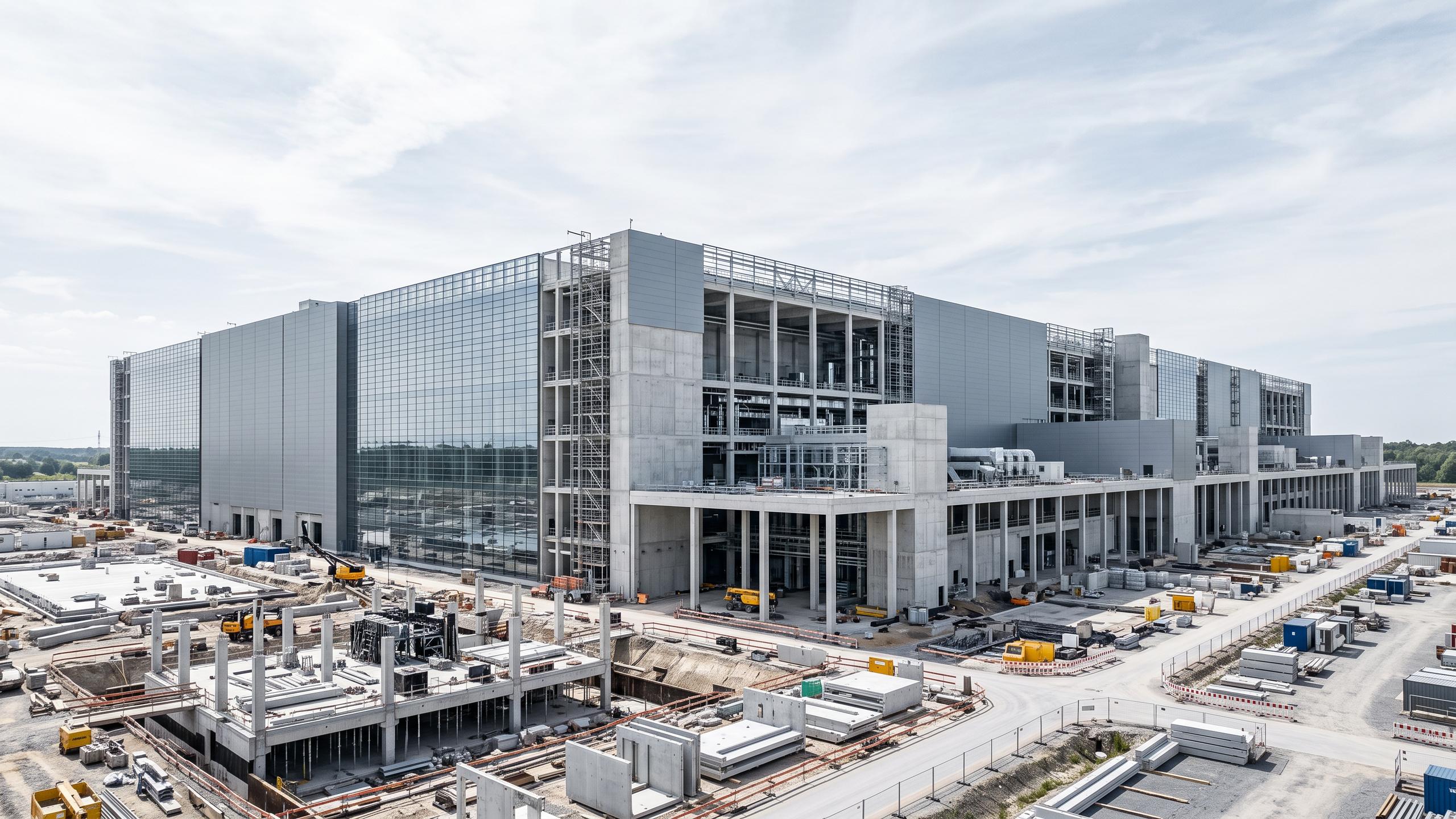
Taiwan Semiconductor Manufacturing (TSMC), in collaboration with partners Infineon, Bosch, and NXP, has completed the main structural construction of its first European wafer fabrication plant in Dresden,
Germany. This facility, operating under the European Semiconductor Manufacturing Company (ESMC) joint venture, is on schedule to commence production by the end of 2027. The fab will primarily focus on manufacturing chips for the automotive and industrial sectors. TSMC holds a 70% stake in ESMC, with the other three partners each holding 10%. The total investment for the project is approximately €10 billion, with the German federal government providing a €5 billion subsidy under the EU Chips Act. The topping-out ceremony took place on September 14, roughly two years after groundbreaking in August 2024. Over 2,000 workers were involved in the construction, and more than 600 companies participated. The next phase involves interior fit-out, with production equipment expected to be installed in the cleanroom in the second half of 2027. The Dresden fab will utilize 28/22nm planar CMOS and 16/12nm FinFET technologies, aiming for a monthly capacity of approximately 40,000 12-inch wafers at full load and creating about 2,000 direct high-tech jobs.
Why It's Important?
This development is significant for the U.S. and global semiconductor industry as it represents a strategic move by TSMC to diversify its manufacturing footprint beyond Asia, enhancing supply chain resilience. The focus on automotive and industrial chips addresses critical shortages experienced in recent years, which severely impacted U.S. auto manufacturers and other industries. By establishing a major fabrication plant in Europe, TSMC is contributing to the broader goal of regionalizing semiconductor production, reducing reliance on single geographic areas, and mitigating risks associated with geopolitical tensions or natural disasters. The German government's substantial subsidy underscores the strategic importance placed on semiconductor independence and technological sovereignty within the EU, which could influence future U.S. policy decisions regarding domestic chip manufacturing incentives. The creation of 2,000 high-tech jobs and the relocation of Taiwanese professionals to Germany also highlight the global competition for skilled labor and the economic benefits associated with advanced manufacturing investments.
What's Next?
Following the structural completion, the ESMC fab will proceed with interior fit-out, with production equipment scheduled for installation in the cleanroom during the second half of 2027. Mass production is slated to begin by the end of 2027, focusing on 28/22nm planar CMOS and 16/12nm FinFET technologies for automotive and industrial applications. In preparation for operations, 500 to 800 Taiwanese professionals are expected to relocate to Saxony next year, bringing their families and driving demand for local services. This influx of talent is being supported by initiatives from organizations like the German Institute Taipei and German consulting firm Antao International, which are assisting with visas, housing, and schooling. Saxony Minister-President Michael Kretschmer anticipates further investment in the region, potentially spurred by the EU Chips Act 2.0. TSMC's ongoing global expansion includes 13 advanced-process wafer fabs and advanced packaging facilities in Taiwan, along with 5 to 6 overseas wafer fabs, indicating a continued push for diversified manufacturing capabilities.
Beyond the Headlines
The establishment of TSMC's Dresden fab extends beyond mere manufacturing capacity; it signifies a deeper integration of global supply chains and a strategic realignment in response to geopolitical and economic pressures. The blending of Taiwanese corporate culture with German engineering expertise, as noted by General Manager Huang Chiu-kun, represents a unique cross-cultural collaboration that could set a precedent for future international industrial partnerships. The substantial investment and government subsidies reflect a global trend towards 'friend-shoring' or 'ally-shoring' critical technologies, aiming to secure supply chains among trusted partners. This move could also influence the competitive landscape for semiconductor talent, as regions vie to attract and retain highly skilled professionals. The long-term implications include a more resilient global semiconductor ecosystem, potentially leading to more stable pricing and availability of chips for critical industries worldwide, including those in the U.S. The success of this venture could encourage similar collaborations, reshaping the geography of high-tech manufacturing.