



What's Happening?
Norse Atlantic Airways, a low-cost, long-haul airline that began operations in 2022, has filed for bankruptcy after failing to secure emergency funding. The board of directors of its Norwegian subsidiary,
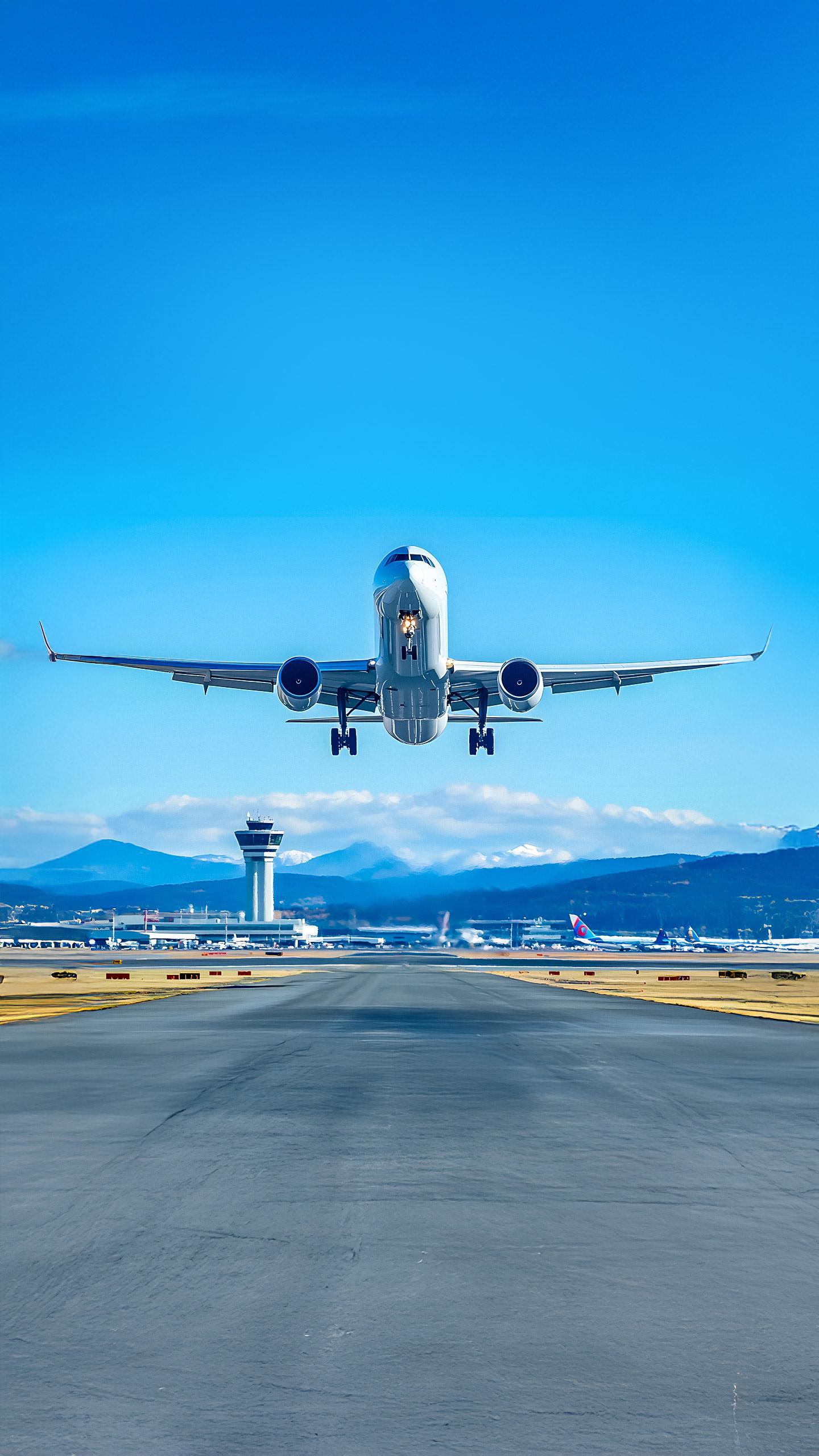
Norse Atlantic Airways AS, made the decision to file for bankruptcy, stating there is no longer a basis for continued operations for that company. This development has led to the cancellation of all flights, with passengers advised not to travel to airports and to contact their insurance providers or credit card issuers for assistance. The airline's customer service lines have been severed. The parent company, Norse Atlantic ASA, based in Oslo, and its UK subsidiary are still attempting to secure additional funding to continue operations, but time is running out. Earlier, aircraft leasing companies terminated lease agreements for Norse Atlantic's fleet of 12 Boeing 787-9 Dreamliners, leading to their repossession.
Why It's Important?
The bankruptcy of Norse Atlantic Airways highlights the significant challenges and competitive pressures within the long-haul, low-cost airline market, particularly for newer entrants. For U.S. travelers, this means a reduction in transatlantic flight options, potentially leading to higher fares on remaining carriers or increased difficulty in finding budget-friendly long-haul flights. The situation also underscores the financial risks associated with airlines heavily reliant on leased aircraft, as lessors can quickly repossess assets during financial distress. The inability of Norse Atlantic to secure funding, despite operating for several years, suggests a difficult economic environment for airlines, impacting both consumers and the broader aviation industry. The incident also serves as a cautionary tale for passengers regarding the financial stability of airlines and the importance of travel insurance.
What's Next?
The parent company, Norse Atlantic ASA, and its UK subsidiary are continuing efforts to secure additional funding to maintain operations for the remaining parts of the business. However, the termination of aircraft leases and the bankruptcy filing of the Norwegian subsidiary indicate a severe and immediate crisis. Passengers affected by the cancellations will need to pursue refunds through their insurance providers or credit card companies, as the airline's customer service is no longer available. The repossession of the 12 Boeing 787-9 Dreamliners by leasing companies AerCap and BOC Aviation means these aircraft will likely be re-leased to other airlines, potentially impacting global fleet availability. The long-term viability of any remaining Norse Atlantic entities remains uncertain given the current financial difficulties and the loss of its operational fleet.
Beyond the Headlines
This event reflects a broader trend of volatility in the airline industry, particularly for models attempting to disrupt established long-haul markets with low-cost offerings. Despite assurances that it had learned from the mistakes of Norwegian Air Shuttle's previous struggles in this sector, Norse Atlantic never achieved annual profitability, accumulating over $540 million in losses. This suggests that the economic fundamentals of the low-cost, long-haul model may be inherently challenging, even with modern, fuel-efficient aircraft. The reliance on 'wetlease' deals, where Norse operated flights for other airlines, indicates attempts to diversify revenue streams, but these were ultimately insufficient. The bankruptcy also raises questions about consumer protection in international air travel, especially when airlines operate under complex multi-national corporate structures, making it difficult for passengers to recover funds in the event of a collapse.