



What's Happening?
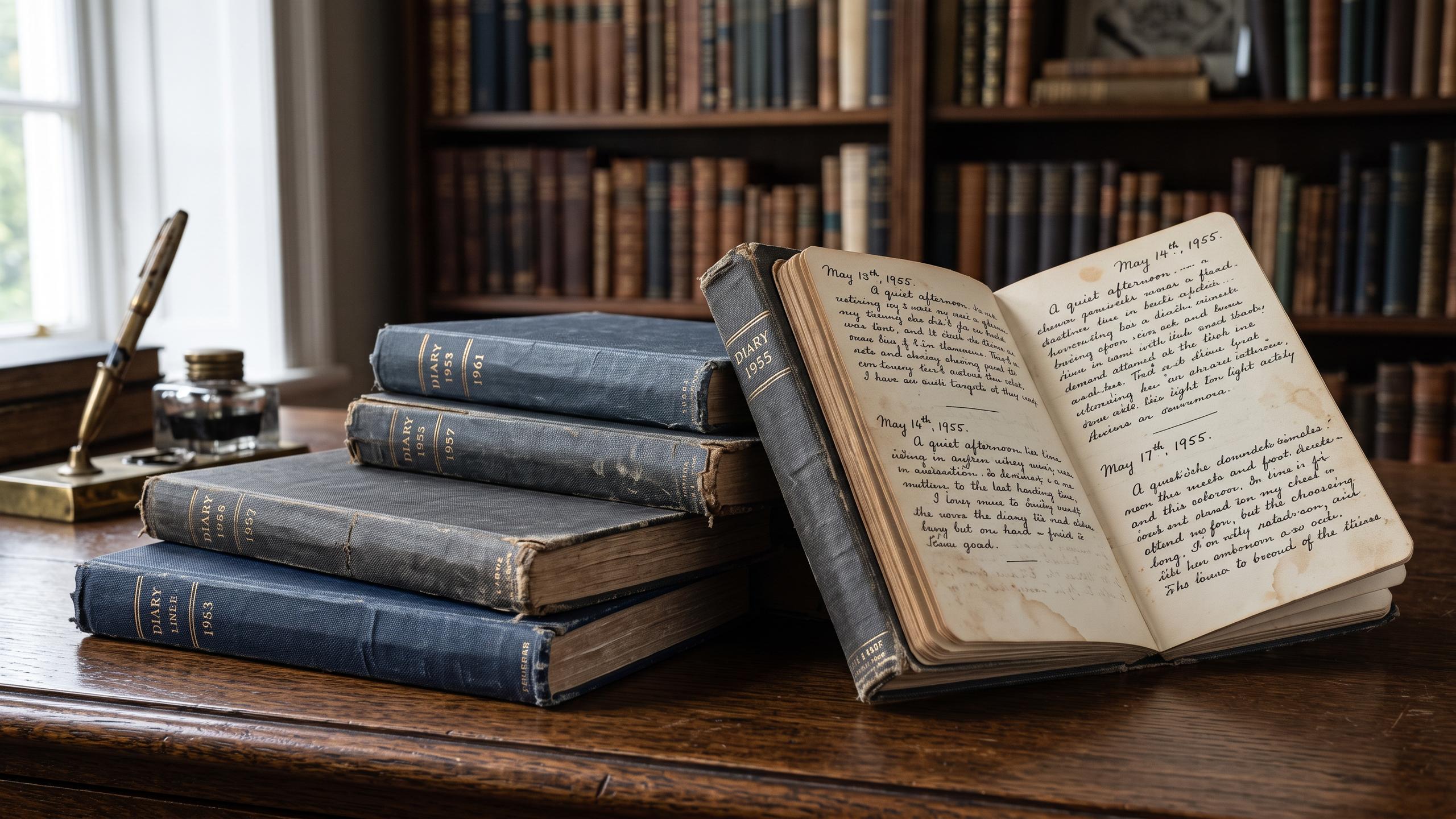
Samuel Beckett's 'German Diaries,' a collection of six volumes, document his extended trip through Germany from September 1936 to April 1937. These diaries, discovered in his estate, provide a unique glimpse
into Beckett's textual aesthetics, his views on literature and visual art, and his motivations for undertaking this journey. The diaries also hold significant historical value, offering a clear-eyed perspective on everyday life in the early years of Nazi Germany. Beckett's observations include the effects of Nazi cultural policy, such as his visits to museum depots to see paintings removed from display, and his understanding of the cultural boycott through conversations with artists and collectors. He also details his observations about the Nazi character and the troubling acts of antisemitism he witnessed. The text is rich with intimate details of his personal experiences, including his search for lodging, his efforts to learn German, and his pursuit of affordable food and drink.
Why It's Important?
The publication of Samuel Beckett's 'German Diaries' is important for several reasons. For literary scholars, it offers unprecedented insight into the formative years of a Nobel Prize-winning author, revealing the intellectual and artistic influences that shaped his later works. The diaries illuminate the development of his unique textual aesthetics and his perspectives on art and literature during a critical period in his life. Historically, the diaries provide a firsthand account of daily life and cultural shifts in Nazi Germany just prior to World War II, offering a personal and unfiltered perspective on the rise of Nazism and its impact on society and culture. Beckett's observations on Nazi cultural policy and antisemitism are particularly valuable, providing a contemporary witness account that enriches our understanding of this dark chapter in history. The intimate details of his personal struggles and observations also humanize the historical narrative, making the period more accessible and relatable to readers.
Beyond the Headlines
Beyond their immediate literary and historical value, Beckett's 'German Diaries' offer a profound reflection on the role of the artist in times of political upheaval and societal change. His detailed observations of Nazi Germany, even as a young man, underscore the importance of individual witness and the power of art to document and respond to historical events. The diaries also highlight the personal sacrifices and challenges faced by artists and intellectuals navigating oppressive regimes. The insights into Beckett's artistic development during this period suggest how external political and social environments can deeply influence creative output. Furthermore, the diaries serve as a reminder of the insidious nature of cultural censorship and the systematic dismantling of artistic freedom under totalitarian rule, providing a cautionary tale that remains relevant in contemporary discussions about freedom of expression and the arts.