


What's Happening?
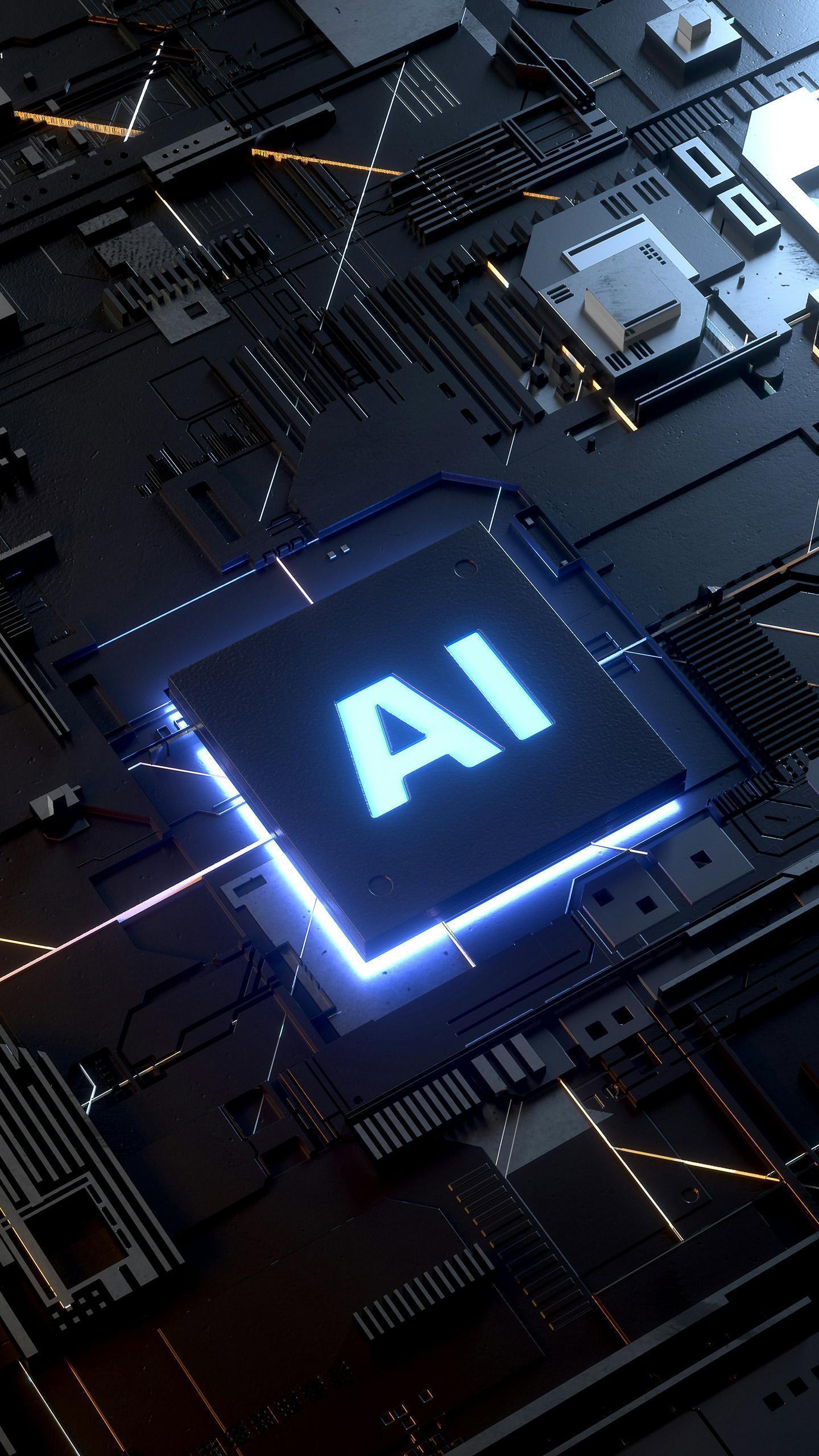
Small businesses in London, Ontario, are increasingly adopting AI chatbots, such as ChatGPT, to generate advertising materials like posters, menus, and promotional videos. Kanti Gouniyal, owner of Fruitea
Boba Haus, reported saving thousands of dollars by using AI to enhance product images and create advertisements. She spends approximately $30 per month on ChatGPT and Canva, a significant reduction compared to the $500 to $1,000 quoted by human creatives for similar marketing packages. While some customers have left negative Google reviews due to the use of AI-generated ads, many understand that it helps new businesses manage costs. Sean Lemke, a Huron University student, expressed moral objections to AI-generated ads, stating he avoids businesses that use them, viewing it as detrimental to art. Mengxia Zhang, an assistant professor in marketing at Western University’s Ivey Business School, noted that while AI can save time and money, it carries risks related to consumer trust, especially if AI fabricates product representations.
Why It's Important?
The adoption of AI in advertising by small businesses highlights a growing trend in cost-effective marketing solutions, potentially democratizing access to professional-looking promotional materials. This shift could significantly benefit startups and small enterprises with limited budgets, allowing them to compete more effectively with larger businesses. However, it also introduces challenges related to consumer perception and trust. The mixed reactions from consumers, ranging from understanding to moral opposition, indicate a nascent but evolving public sentiment towards AI-generated content. Businesses must navigate the balance between efficiency gains and maintaining authenticity, as misleading AI-generated visuals could lead to reputational damage. The debate also underscores broader societal questions about the value of human artistry versus AI efficiency and the potential impact on creative industries.
What's Next?
As AI advertising tools become more sophisticated and accessible, more small businesses are likely to integrate them into their marketing strategies. This will necessitate a clearer understanding of consumer preferences and ethical guidelines for AI use in advertising. Businesses may need to consider transparency about their use of AI to maintain consumer trust, as research suggests customers may react negatively if they discover AI-generated content without prior knowledge. The ongoing discussion between AI proponents and those advocating for human artistry will likely continue, potentially leading to industry standards or consumer-driven preferences that influence how AI is deployed in commercial contexts. Educational institutions and marketing professionals may also need to adapt their curricula and services to address the evolving landscape of AI-driven marketing.
Beyond the Headlines
The increasing use of AI in advertising touches upon deeper ethical and cultural implications. The moral objections raised by individuals like Sean Lemke reflect a broader concern about the displacement of human creativity and the potential devaluation of art. This development could lead to a re-evaluation of what constitutes 'authentic' marketing and the role of human touch in commercial endeavors. Furthermore, the potential for AI to generate misleading or hyper-realistic imagery raises questions about consumer protection and the need for regulatory frameworks to ensure truthfulness in advertising. The long-term impact on the creative economy, including job displacement for graphic designers and marketers, is also a significant consideration. This trend could accelerate the need for artists and creatives to adapt their skills and find new niches in an AI-augmented world.