


What's Happening?
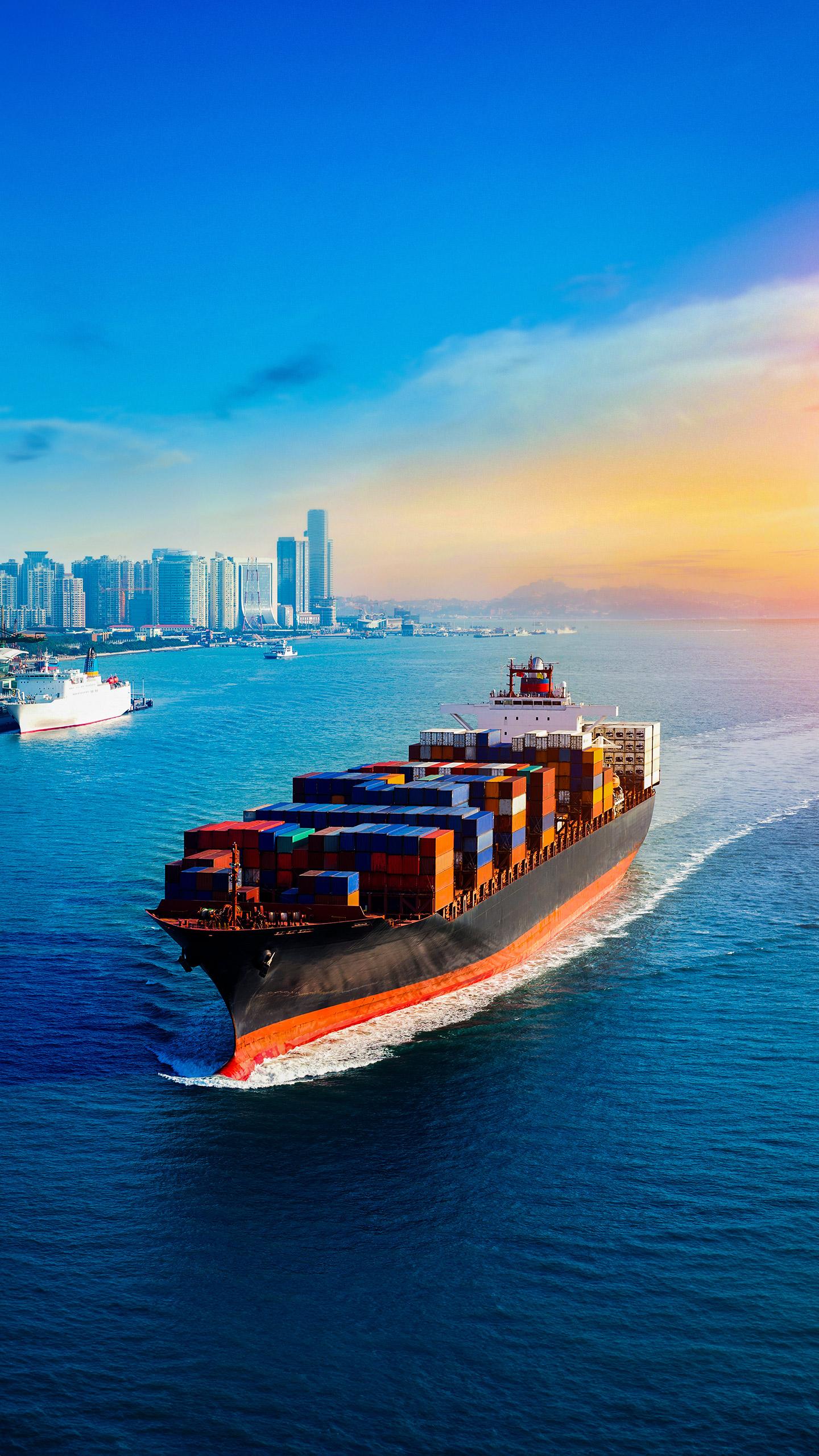
Hong Kong has officially signed its inaugural green shipping corridor agreement with Greece's Port of Piraeus. This partnership, announced by Chief Executive John Lee during Hong Kong Maritime Week 2026,
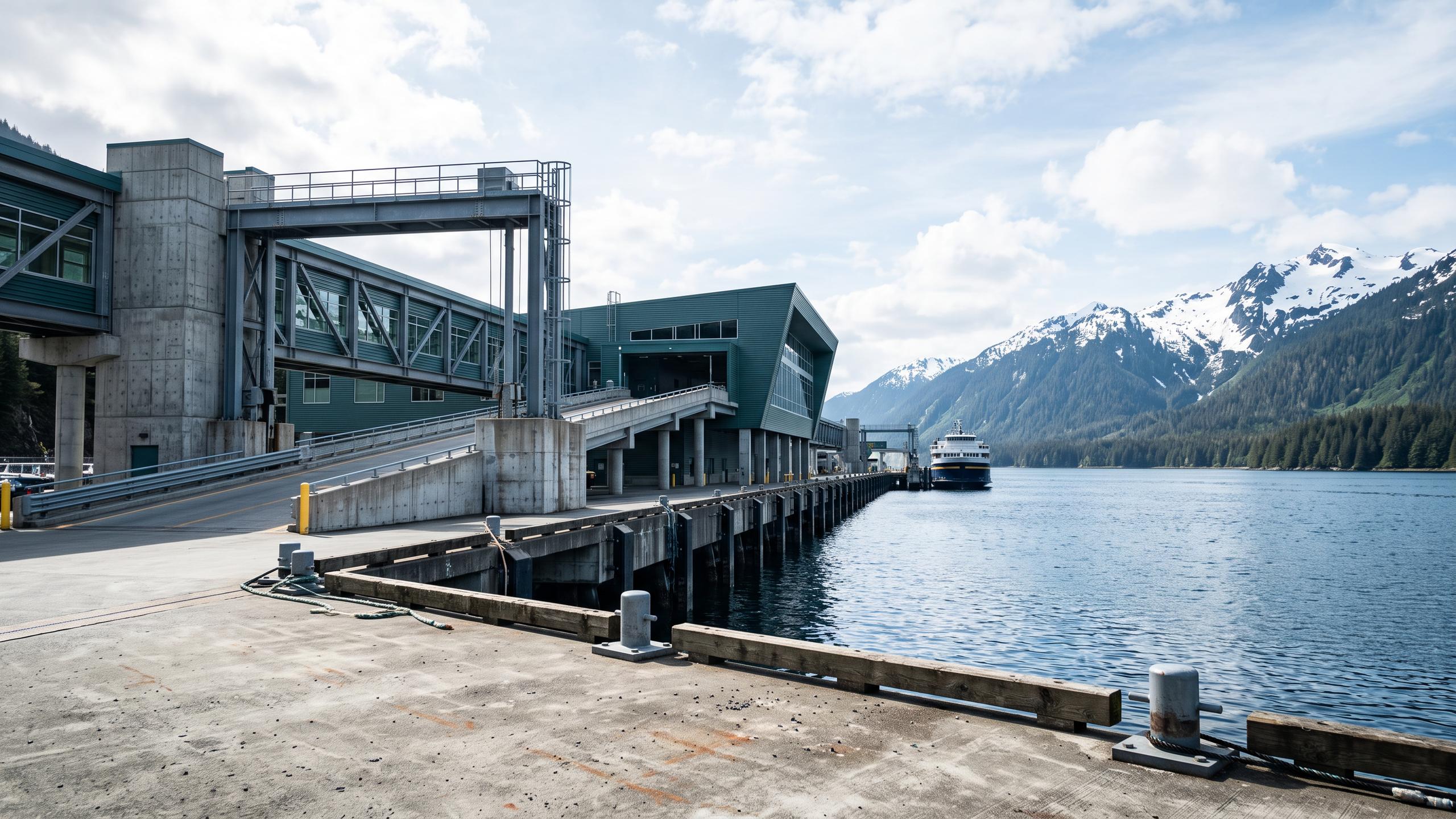
aims to promote sustainable shipping practices. The agreement, formalized through a Memorandum of Understanding (MOU) signed by Secretary for Transport and Logistics Mable Chan and Piraeus Port Authority Chairman Han Chao, marks Piraeus as Hong Kong's first European partner in such an initiative. The green corridor will initially focus on providing shore power for visiting vessels and standardizing bunkering protocols for green methanol, biodiesel, and LNG at both ports. Additionally, a joint incentive scheme will offer port dues discounts and priority berthing to shipping lines that achieve specified emission reduction targets. Hong Kong is also setting up its first green energy corridor with Zhanjiang in Guangdong, reinforcing its commitment to low-carbon fuel supply chains and linking mainland China's green fuel production with global maritime markets. Financial Secretary Paul Chan highlighted Hong Kong's role in bunkering and trading green methanol produced in South China, which accounts for approximately 60% of the world's operating green methanol capacity.
Why It's Important?
This initiative is significant for the global maritime industry, particularly in the context of increasing pressure for decarbonization. By establishing green shipping corridors and promoting the use of alternative fuels like green methanol, Hong Kong and its partners are contributing to the reduction of carbon emissions from international shipping. This move positions Hong Kong as a key player in the green maritime transition, leveraging its status as a leading international shipping center, ranked fourth globally in the International Shipping Centre Development Index. The development of a green fuel trading platform, advised by a newly formed task group of industry experts, underscores Hong Kong's ambition to facilitate the adoption of sustainable maritime practices. For the U.S. and other nations, such corridors could serve as models for future collaborations aimed at achieving environmental sustainability in global trade, potentially influencing regulatory frameworks and investment in green maritime technologies worldwide. The involvement of China COSCO Shipping, which majority-owns the Port of Piraeus, also highlights the growing influence of Chinese entities in shaping global green shipping initiatives.
What's Next?
The green shipping corridor is expected to begin implementation with the introduction of shore power and standardized bunkering protocols for green fuels. The joint incentive scheme offering port dues discounts and priority berthing will encourage shipping lines to meet emission reduction targets. The task group of industry experts will continue to advise on the strategy, infrastructure setup, and operating rules for the green fuel trading platform. The MOU with Zhanjiang in Guangdong will further develop Hong Kong's green energy corridor, strengthening the supply chain for low-carbon fuels. These developments are anticipated to drive further adoption of green technologies and fuels within the maritime sector, potentially leading to more such corridors being established globally. The success of these initial corridors could influence future international maritime policies and investments in sustainable shipping infrastructure.
Beyond the Headlines
The establishment of green shipping corridors represents a broader shift towards environmental responsibility within the global supply chain. Beyond the immediate benefits of reduced emissions, these initiatives could foster innovation in maritime technology and logistics. The focus on green methanol, biodiesel, and LNG suggests a diversified approach to alternative fuels, acknowledging the varying stages of technological readiness and infrastructure development. This move also highlights the increasing importance of international collaboration in addressing climate change, as individual ports and nations work together to create interconnected sustainable networks. The economic implications extend to new market opportunities for green fuel production, storage, and trading, potentially creating new jobs and industries. Furthermore, the success of these corridors could set new benchmarks for environmental performance in shipping, influencing consumer demand for sustainably transported goods and putting pressure on other industries to adopt similar green practices.