
What's Happening?
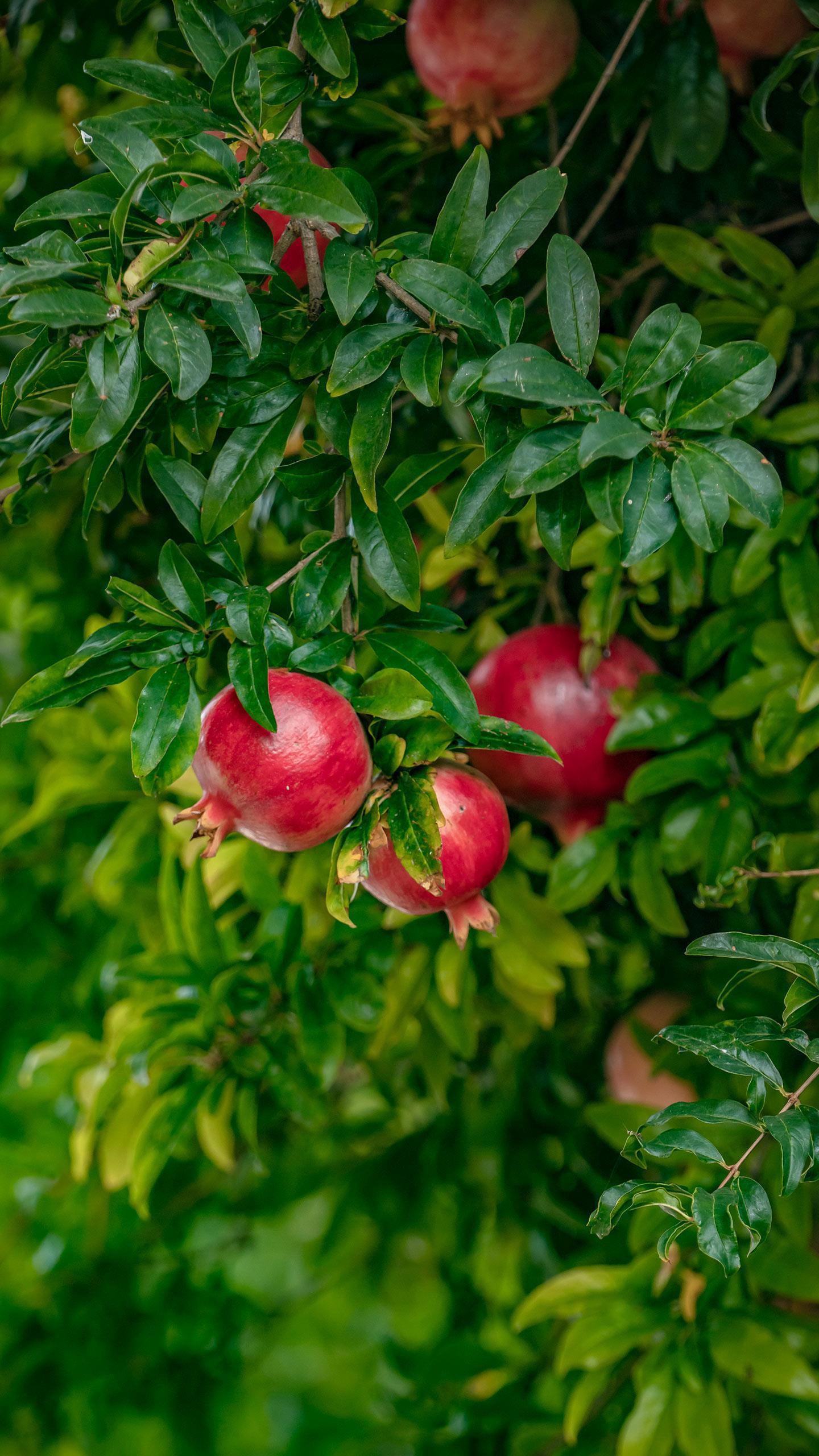
Kandahar, Afghanistan, is currently in its autumn pomegranate harvest season, a period that traditionally celebrates the region's prized pomegranates, particularly those from Arghandab, Zherai, and Arghistan
districts. The harvest, which runs from September to November, provides seasonal employment for local residents, including young people involved in collecting, transporting, and preparing the fruit. However, Kandahar's agricultural sector is facing significant challenges, including drought, declining groundwater levels, and difficulties in accessing international markets. Pomegranate production prospects for 2026 have weakened considerably, with officials expecting approximately 220,000 tonnes, a decrease from 275,000 tonnes in 2025. Drought has reportedly damaged about 30% of the province's pomegranate orchards, and some growers have abandoned their orchards due to the high cost of irrigation from declining groundwater. Export difficulties, exacerbated by disruptions along trade routes with Pakistan, further compound these issues.
Why It's Important?
The struggles faced by Kandahar's pomegranate industry are important because they highlight the severe economic and environmental pressures impacting Afghanistan's agricultural sector, a cornerstone of its economy and a primary source of livelihood for many. The decline in pomegranate production and export capacity directly affects the income of farmers, seasonal workers, and traders, potentially leading to increased poverty and food insecurity in the region. The environmental challenges, such as drought and groundwater depletion, underscore the vulnerability of agricultural practices to climate change and resource management issues. Furthermore, difficulties in accessing international markets limit the potential for economic growth and diversification, making the region more susceptible to internal economic shocks. The long-term viability of this traditional agricultural practice is at risk, which could have broader societal implications for employment, stability, and cultural heritage.
What's Next?
To mitigate the challenges, Kandahar's pomegranate industry is exploring opportunities beyond traditional export destinations. In January 2026, provincial officials reported exporting approximately 23,000 tonnes to various international markets, including Qatar, India, Saudi Arabia, Malaysia, Russia, Uzbekistan, Kazakhstan, and the United Arab Emirates. Domestic processing facilities, such as the one opened in November 2025 capable of handling ten tonnes daily for juice and seed production, offer another avenue for supporting growers and reducing agricultural waste. Additionally, events like the national and international pomegranate fair held in November 2025 aim to connect growers, traders, and consumers, promoting Afghanistan's agricultural identity. Continued efforts in market diversification, investment in water management solutions, and support for domestic processing will be crucial for the industry's resilience and future growth.
Beyond the Headlines
The challenges facing Kandahar's pomegranate harvest reveal deeper issues related to Afghanistan's economic development and environmental sustainability. The reliance on traditional agricultural practices, while culturally significant, is increasingly vulnerable to modern environmental shifts and geopolitical instabilities affecting trade routes. The push for domestic processing and market diversification represents a critical step towards building a more resilient and self-sufficient agricultural economy, reducing dependence on volatile export markets. However, the success of these initiatives will require sustained investment, technological adoption, and stable governance. The plight of pomegranate farmers also underscores the broader humanitarian concerns in Afghanistan, where economic hardship can exacerbate existing social tensions and hinder recovery efforts. The long-term implications involve not only economic stability but also the preservation of unique agricultural heritage and the well-being of rural communities.