



What's Happening?
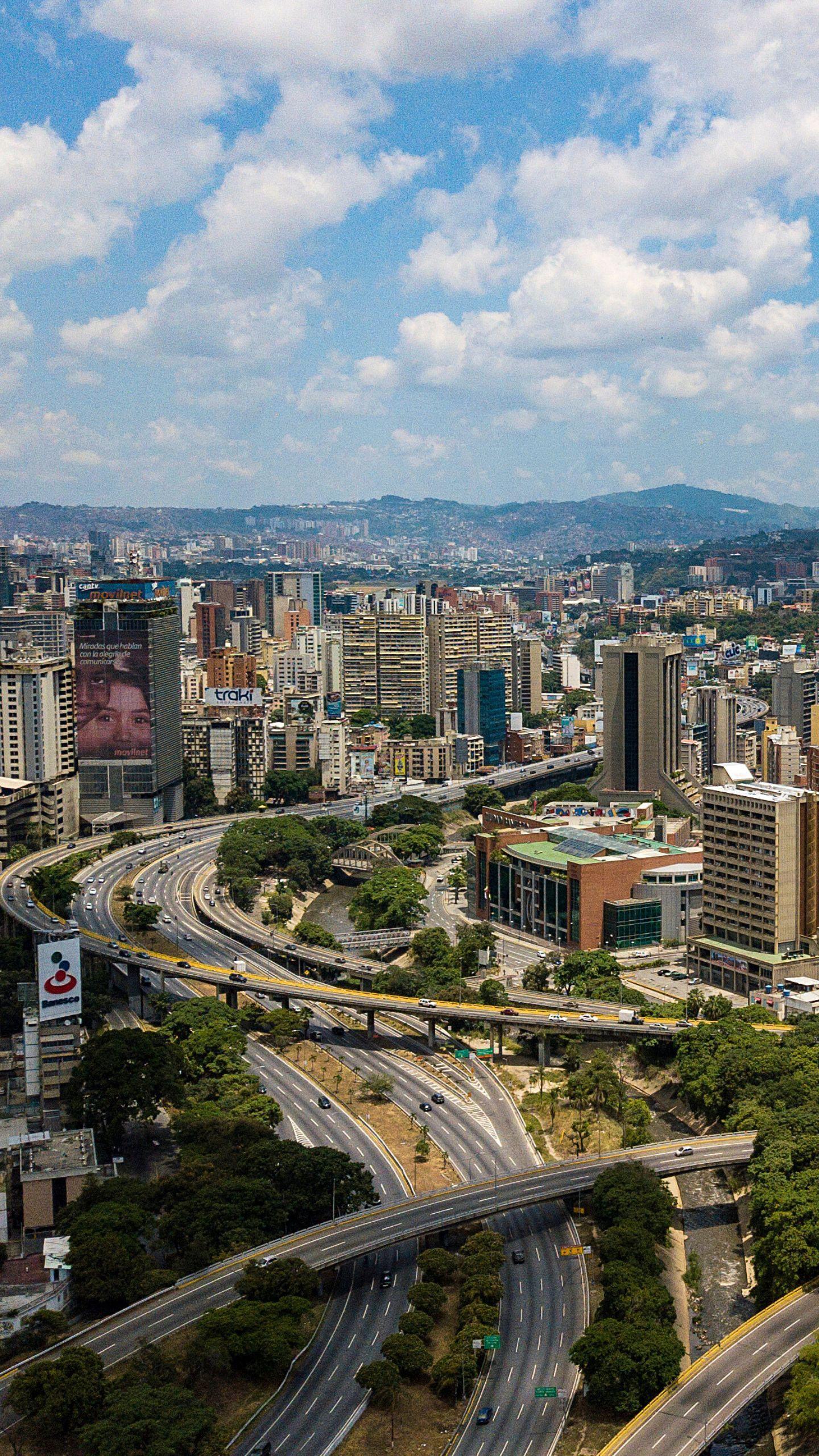
Venezuela's National Assembly has unanimously voted to end the state's 19-year monopoly on the electricity sector, a move initiated by former President Hugo Chávez in 2007. This reform primarily benefits
oil producers and large businesses, allowing them to build off-grid power plants for their own fields without state authorization. Other private generators will require a concession from the Ministry of Electric Energy for plants exceeding 50 megawatts. The state will retain control over hydroelectric dams and main transmission lines that supply most households, which continue to experience daily blackouts. The new law permits private and mixed-ownership companies to generate, transmit, distribute, and sell power through joint ventures for up to 25 years. A new superintendency will oversee tariffs, service, and self-generation, with guarantees offered to private participants, though specific terms have not yet been published. This reform comes as Venezuela faces significant power deficits, with the grid generating approximately 12,000 MW against a September demand of 16,400 MW.
Why It's Important?
This policy shift is crucial for Venezuela's U.S.-backed oil expansion, as reliable power is essential for increasing production. Companies like Chevron, which plans to invest over $7 billion to raise its output to 600,000 bpd by 2031, and North American Blue Energy Partners, which received 100-year concessions for 17 fields, require stable energy sources independent of the failing national grid. The opening to private capital aims to address the chronic power shortages that have plagued the country, impacting both industrial operations and daily life. However, the reform prioritizes oil producers and large businesses, leaving most households reliant on a subsidized, state-controlled grid that remains unstable. The cost of stabilizing the national grid is estimated at no less than $15 billion over three years, and Venezuela is exploring a U.S.-backed Qatar bridge loan to clear over $2 billion in arrears with the Inter-American Development Bank, highlighting the significant financial challenges involved.
What's Next?
The immediate next steps involve the Ministry of Electric Energy publishing tariffs for private generators and establishing the terms for private participation. Foreign companies, including Siemens Energy and GE Vernova, have already met with Venezuelan officials to discuss grid repairs, but payment guarantees for suppliers remain a hurdle. Venezuela is also weighing a U.S.-backed Qatar bridge loan to address its debt to the Inter-American Development Bank, which could unlock further international financing. The success of this reform will depend on attracting significant private investment and ensuring the stability of the regulatory framework, especially given that foreign companies operate under U.S. sanctions licenses that Washington can alter. The government plans to add 7,400 MW through agreements with General Electric and Impsa, and 600 MW from a power station in partnership with China, indicating a multi-faceted approach to power generation improvements.
Beyond the Headlines
This move represents a significant ideological shift away from the nationalization policies of the Chávez era, signaling a pragmatic approach to economic recovery driven by necessity. While it aims to boost the vital oil sector, the dual-track system—private power for industry and a struggling state grid for households—could exacerbate social inequalities and public discontent if household power supply does not improve. The reliance on U.S.-backed initiatives and the need for U.S. sanctions licenses underscore the complex geopolitical dynamics at play, where economic reforms are intertwined with international relations. The long-term implications include a potential restructuring of Venezuela's energy landscape, with increased foreign influence and private sector involvement, which could reshape its economic model and its relationship with international financial institutions and global energy markets.