



What's Happening?
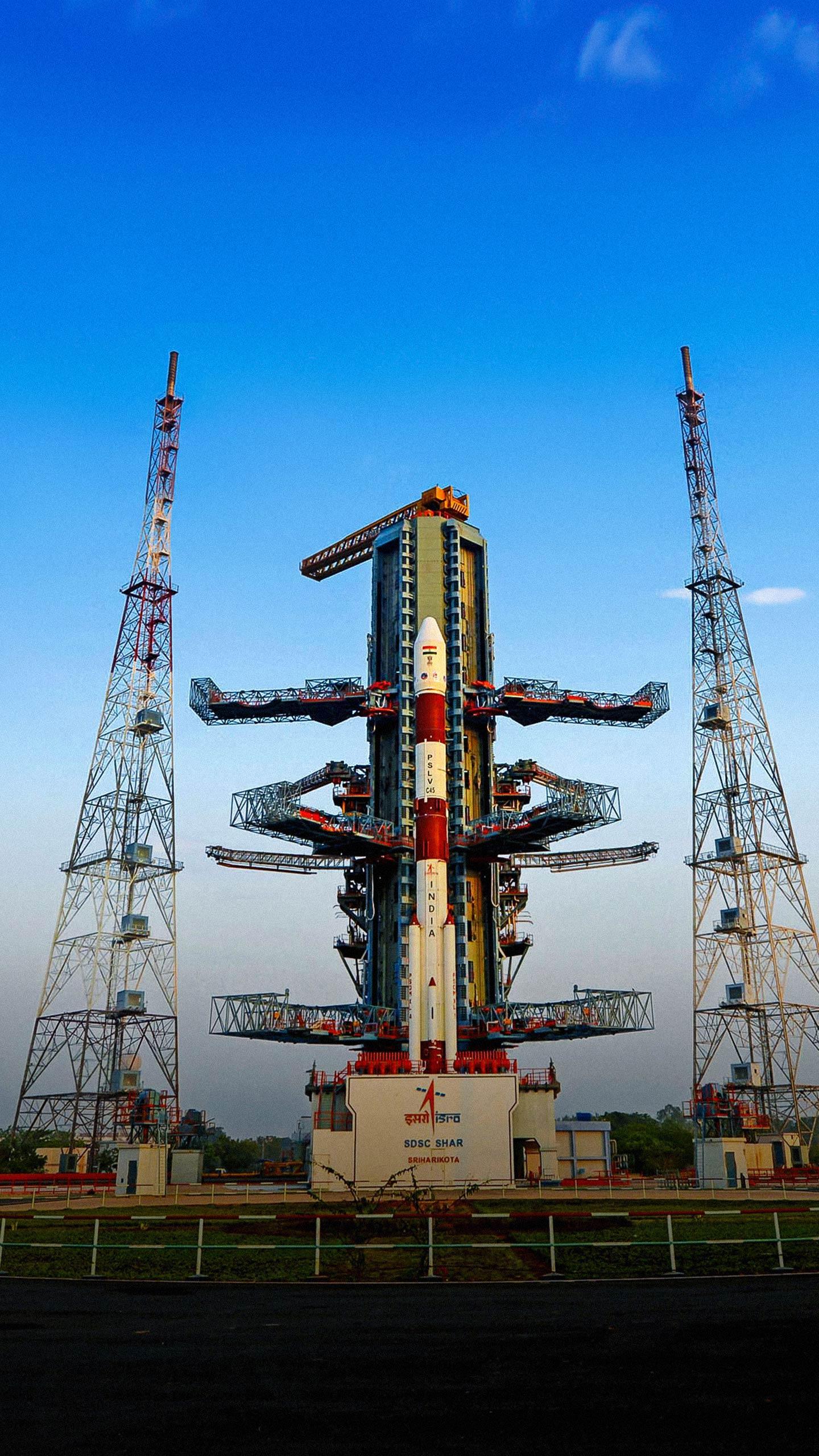
India's space sector has undergone a significant transformation over the past decade, evolving into a globally competitive program with substantial private sector involvement. This progress is attributed
to sustained national ambition, institutional vision, and indigenous technological innovation. The Indian space economy was estimated at approximately US$9 billion in August 2026, an increase from US$8.4 billion in 2023. Key reforms, initiated on June 24, 2020, have opened the space sector to Non-Government Entities (NGEs), allowing them to participate across the entire space value chain, from manufacturing to services. This includes the establishment of the Indian National Space Promotion and Authorisation Centre (IN-SPACe) as a single-window interface for private enterprises and the expansion of NewSpace India Limited (NSIL) to commercialize technologies.
Why It's Important?
The increased participation of private players is crucial for expanding India's space capabilities and strengthening its position in the global space economy. This shift has led to a surge in space startups, from one in 2014 to approximately 440 by August 2026, and a significant increase in private investment. Commercial launches have also seen a boost, with ISRO launching 399 foreign satellites between 2014 and January 2026, compared to 35 in the preceding 24 years. The liberalization of the Foreign Direct Investment (FDI) policy in February 2024 further encourages foreign investment in satellite manufacturing, launch vehicles, and components. This commercialization not only fosters innovation and job creation but also contributes to India's goal of self-reliance in advanced technologies.
What's Next?
The Indian government projects the space economy to grow to about US$44 billion by 2033 and US$100 billion by 2040, representing a substantial increase in its share of the global space economy. To achieve these targets, the focus will remain on strengthening the collaborative ecosystem between ISRO, NSIL, IN-SPACe, and private entities. This includes continued support for startups and MSMEs, fostering skill development, and building new capabilities. The Norms, Guidelines and Procedures (NGP) released by IN-SPACe in May 2024 will guide the authorization of space activities for NGEs. Additionally, funding schemes like the Pre-incubation Entrepreneurship (PIE) program, IN-SPACe Seed Fund, Technology Adoption Fund (TAF), and a Venture Capital Fund are in place to support the growth of space startups.
Beyond the Headlines
The rapid commercialization of India's space sector presents both opportunities and challenges. While it promises economic growth and technological advancement, it also necessitates a robust legal and regulatory framework to ensure sustainable development and address potential issues such as space debris and liability. The absence of a dedicated national space law means that authorization currently relies on policy documents and the NGP, which may not be sufficient for long-term stability and international compliance. Furthermore, the relatively modest cumulative private investment compared to global standards highlights the need for deeper financial mechanisms. The success of this model will depend on effectively balancing the roles of government and private entities, ensuring fair competition, and maintaining India's strategic interests in space.