



What's Happening?
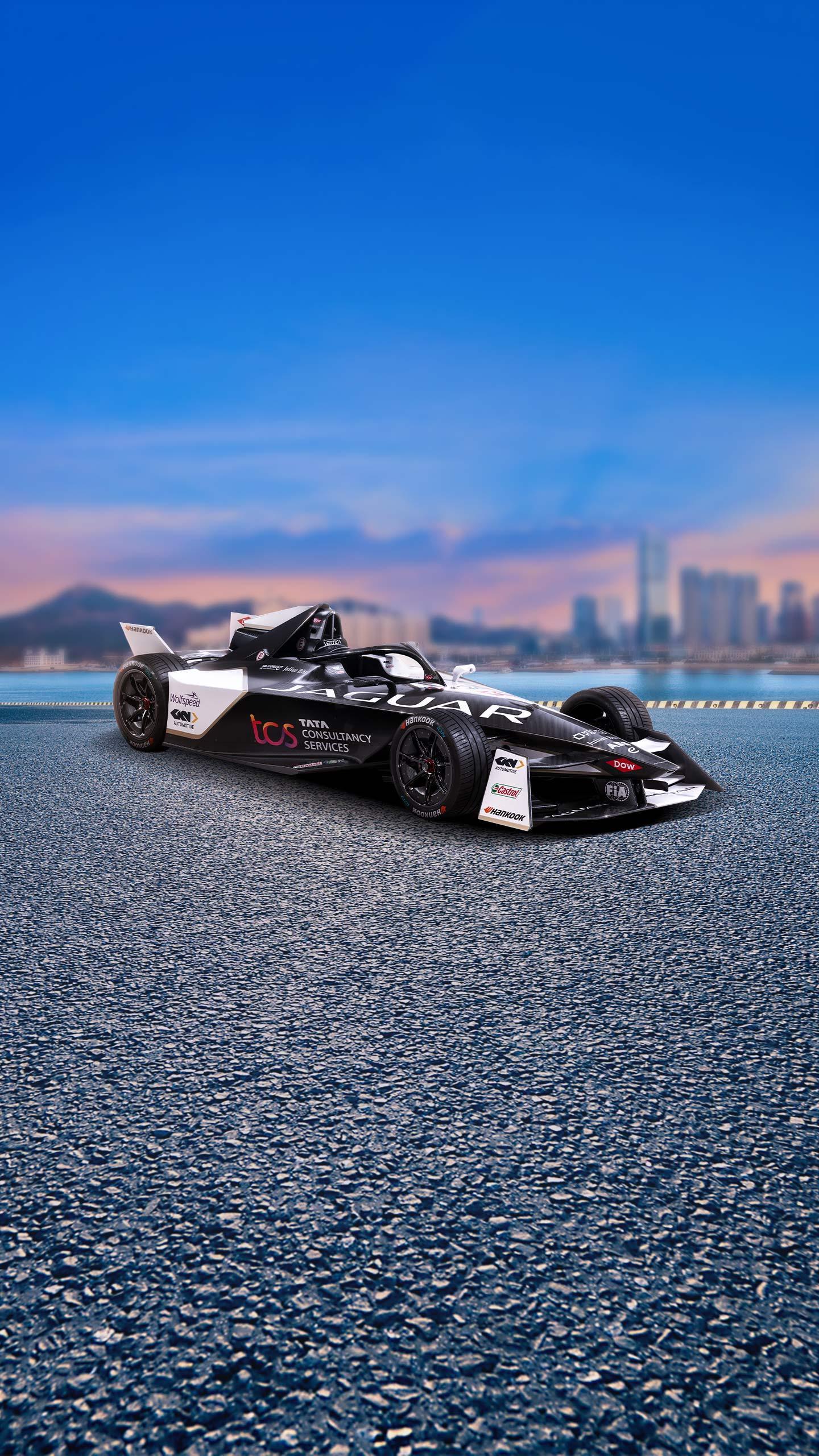
Andrew “Twiggy” Forrest, founder and executive chairman of Fortescue, an Australian iron ore company, has publicly stated that Formula One belongs in a museum, advocating for Formula E as the future of high-performance,
environmentally conscious racing. These comments were made during a media scrum at the launch of Fortescue Zero Racing, a new Formula E team. Forrest's company, Fortescue, acquired Williams Advanced Engineering (WAE) in 2022 for £164 million, a company known for its battery technology developed for Formula One and Formula E. WAE was subsequently rebranded as Fortescue Zero. In July 2025, Fortescue canceled a US$550 million green hydrogen plant project in Arizona, citing a 'shift in policy priorities away from green energy' in the United States, according to Growth and Energy CEO Gus Pichot. Despite this cancellation, Forrest maintains that green hydrogen remains crucial for Fortescue's future.
Why It's Important?
Forrest's strong stance against Formula One and his promotion of Formula E highlight a growing trend towards sustainable technologies in competitive sports, potentially influencing investment and public perception of various racing series. The cancellation of Fortescue's green hydrogen project in Arizona is significant for the U.S. renewable energy sector. It suggests that shifts in U.S. policy priorities can directly impact large-scale international investments in green energy initiatives, potentially leading to job losses and a slowdown in the development of clean energy infrastructure. This decision could also signal a broader challenge for companies looking to invest in U.S. green energy, depending on the stability and direction of federal and state policies. The move by a major player like Fortescue could deter other international investors, affecting the U.S.'s ability to meet its climate goals and foster innovation in the green technology space.
What's Next?
Fortescue Zero Racing is set to compete in Formula E, with its performance and public reception potentially influencing the future of electric motorsport. The company will likely continue to invest in green hydrogen projects globally, despite the U.S. cancellation, as Forrest has reiterated its importance to their future. The U.S. green energy sector may face continued scrutiny and potential adjustments in investment strategies from other companies, depending on how policy priorities evolve. Stakeholders in the U.S. renewable energy industry will be closely watching for any further policy shifts or incentives that could either attract or deter future investments. The broader implications for U.S. climate goals and the development of a robust green economy will depend on how these policy challenges are addressed.
Beyond the Headlines
The narrative surrounding Forrest's comments on Formula One and Formula E extends beyond mere sporting preference; it reflects a deeper ideological battle between traditional, fossil-fuel-dependent industries and emerging, environmentally conscious technologies. His acquisition of Williams Advanced Engineering and its subsequent rebranding into Fortescue Zero underscores a strategic pivot towards sustainable innovation, leveraging motorsport as a high-profile platform to showcase advanced green technologies. The cancellation of the Arizona green hydrogen project, attributed to U.S. policy shifts, highlights the complex interplay between corporate investment, national energy policies, and global climate objectives. This incident could spark broader discussions about the reliability of policy frameworks for green investments in the U.S., potentially influencing how other nations and corporations approach their own renewable energy strategies and international collaborations.