
What's Happening?
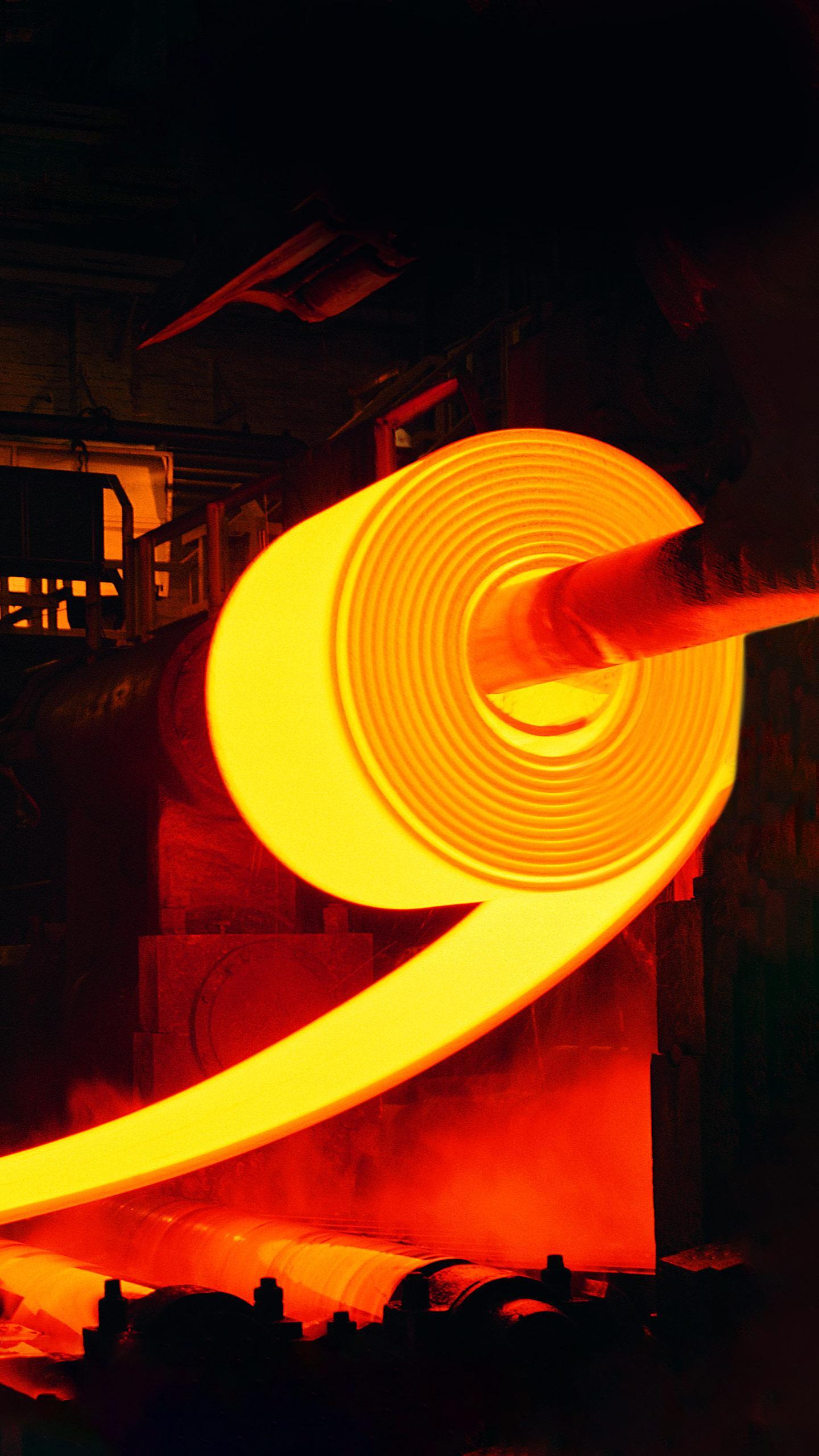
Italy's energy crisis has led to widespread production halts in the long steel sector, particularly affecting steel wire rod manufacturing. Major producers, including Pittini Group, Acciaierie Venete,
AFV Beltrame, and ORI Martin, have idled operations and placed workers on temporary layoff schemes due to soaring electricity costs. Italy's electricity price reached €311/MWh on November 16, the highest level of the year, making production uneconomical for steelmakers who rely on electric arc furnaces. This disruption is concentrated in Italy, the EU's second-largest steel producer, and has resulted in producers withdrawing offers entirely. The Italian steel federation, Federacciai, warned that continued production at current energy prices would lead to unsustainable costs and erode competitiveness. The supply disruption has tightened steel wire rod availability across Europe, with limited substitution options due to the EU's revised safeguard framework restricting imports.
Why It's Important?
This situation is critical for the European steel industry and its downstream sectors. The widespread production halts in Italy, a significant steel producer, directly impact the supply chain for various industries that rely on steel wire rod. The inability to substitute Italian supply with imports due to stricter EU safeguard measures exacerbates the scarcity, potentially leading to higher prices for end-users across Europe. This highlights the vulnerability of energy-intensive industries to volatile energy markets and underscores the competitive disadvantage faced by producers in regions with high electricity costs. The temporary layoffs also have social and economic implications for the workforce in affected regions. The crisis could force a reevaluation of energy policies and industrial strategies to ensure the resilience and competitiveness of key manufacturing sectors within the EU.
What's Next?
Market participants anticipate price increases for steel wire rod once sales resume, with preliminary indications of significant hikes. One producer intends to raise prices for drawing quality steel wire rod to €740/t DAP, and further increases of at least €20–30/t are expected. The supply tightness in the European steel wire rod market is projected to extend into early next year. The EU's new safeguard framework, effective July 2026, which reduced duty-free import quotas and raised out-of-quota tariffs, will continue to limit import options. Additionally, an ongoing expiry review of anti-dumping measures on steel wire rod from China ensures continued duties, further restricting alternative supply sources. These factors suggest a prolonged period of elevated prices and potential supply challenges for European buyers.
Beyond the Headlines
The Italian steel crisis reveals deeper structural issues within the European industrial landscape, particularly concerning energy policy and global trade. The reliance on electric arc furnaces, while environmentally beneficial in terms of carbon emissions compared to blast furnaces, exposes producers to the full brunt of electricity price fluctuations. This situation could accelerate the push for more stable and affordable renewable energy sources for industrial use, or it could lead to a reevaluation of energy subsidies and support mechanisms for energy-intensive industries. Furthermore, the interplay between domestic production challenges and EU trade policies, such as safeguard measures and anti-dumping duties, highlights the complex balance between protecting local industries and ensuring competitive supply. The crisis may also prompt a broader discussion on the strategic importance of maintaining domestic industrial capacity in critical sectors like steel, especially in the face of global supply chain disruptions and geopolitical uncertainties.