


What's Happening?
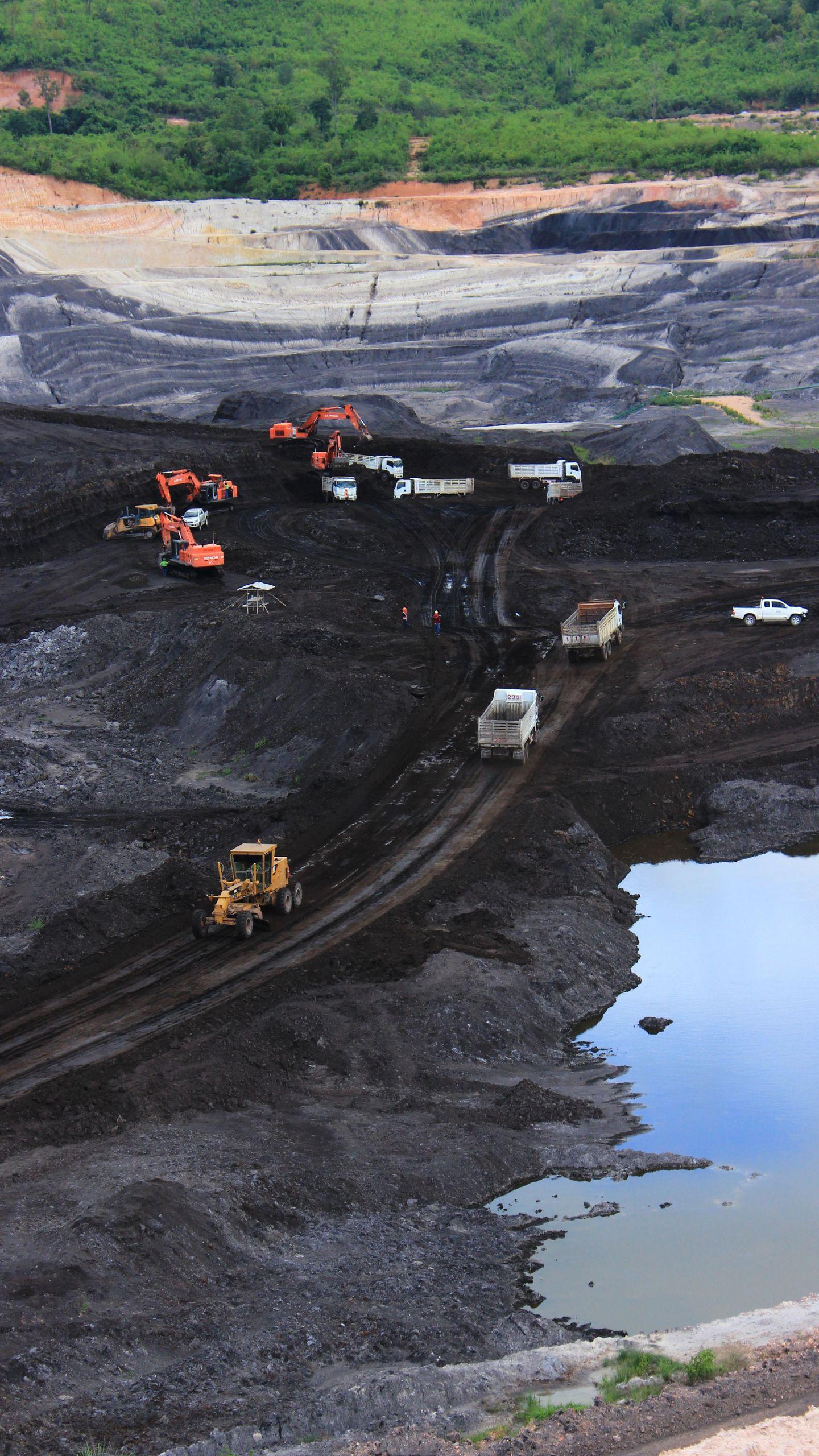
The Democratic Republic of Congo (DRC) has announced a significant investment of $965 million into its mining sector. This announcement was made at the opening of the Makutano Mining Forum in Kinshasa.
Of the total, $700 million is specifically allocated for financing within the Congolese mining sector, with financial institutions committing to support the industry and its entire value chain. An additional $265 million is being provided by the International Finance Corporation (IFC) to bolster the private sector in the DRC. This financing aims to support small and medium-sized enterprises, facilitate mining subcontracting, promote local processing of resources, and enhance trade finance. President Felix Tshisekedi emphasized the DRC's goal to move beyond raw resource extraction towards creating added value through local processing, which he stated would lead to 'lasting prosperity for the people.'
Why It's Important?
This substantial investment in the DRC's mining sector is crucial for the country's economic development and could have broader implications for global supply chains, particularly for minerals vital to various industries. By focusing on local processing rather than just extraction, the DRC aims to capture more value from its abundant natural resources, potentially leading to job creation, skill development, and increased national revenue. The involvement of the IFC highlights an international commitment to fostering private sector growth in the region, which can attract further foreign investment and improve economic stability. For U.S. industries reliant on minerals sourced from the DRC, such as those in technology and automotive sectors, a more stable and locally integrated mining sector could ensure more reliable supply chains and potentially more ethically sourced materials. Conversely, increased local processing could alter global market dynamics for these raw materials.
What's Next?
The announced financing is expected to be deployed to support various initiatives within the DRC's mining sector. This includes strengthening small and medium-sized enterprises, enhancing local capacity for mining subcontracting, and developing facilities for the in-country processing of raw materials. The focus on local processing suggests a future shift in the DRC's role in the global mineral market, moving from a primary exporter of raw materials to a producer of higher-value processed goods. This could lead to increased demand for technology and expertise in mineral processing. President Tshisekedi's vision indicates a sustained effort to implement policies that encourage value addition, which will likely involve continued engagement with international financial institutions and private investors to ensure the effective utilization of these funds and the realization of long-term economic benefits for the Congolese population.
Beyond the Headlines
The DRC's push for local processing of its mining resources carries significant ethical and geopolitical implications. Historically, the extraction of minerals in the DRC has been linked to conflict, human rights abuses, and environmental degradation. By emphasizing local value addition, the government aims to exert greater control over its resources, potentially improving labor conditions and environmental standards within the sector. This shift could also challenge the established global supply chains where raw materials are often exported to developed nations for processing. For the U.S. and other industrialized countries, this could mean adjusting procurement strategies and potentially investing in local processing capabilities within the DRC to maintain access to critical minerals. The success of this initiative will depend on robust governance, transparency, and effective oversight to prevent corruption and ensure that the benefits truly reach the Congolese people, addressing long-standing issues of resource exploitation.