


What's Happening?
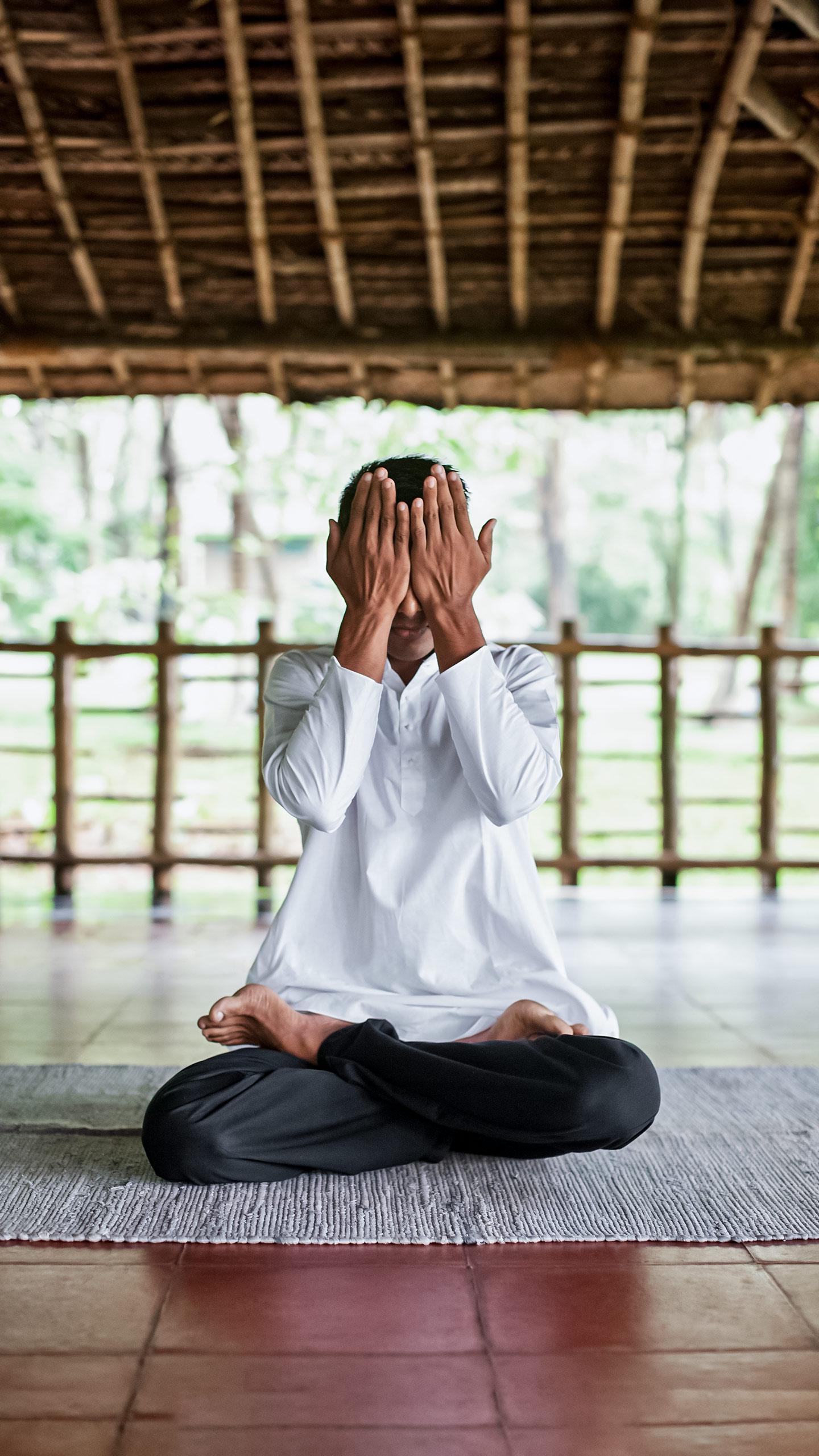
Tulah Clinical Wellness Sanctuary, a luxury hotel and holistic health retreat in Kozhikode, Keralam, India, has opened, offering an integrated approach to wellness. The sanctuary combines ancient healing
systems like Ayurveda, Sowa-Rigpa, traditional Chinese medicine, and yoga with modern clinical tools to provide molecular-level insights into guests' biology and overall health. Guests undergo extensive testing and consultations with on-site doctors, including MRI and CT scans, and receive personalized treatment plans. These plans can range from hormone balancing to musculoskeletal strength improvement, with daily monitoring and adjustments. The facility, which opened in May 2026, is a 65-key destination set on 30 acres, featuring an operating theater, an intensive care unit, and post-op recovery rooms, which are pioneering offerings for a high-end holistic healing retreat in India. The founder, Faizal Kottikollon, was inspired by his personal experience with cervical myelopathy, where both modern medicine and Ayurveda contributed to his recovery.
Why It's Important?
This development signifies a growing trend in the global wellness industry towards integrating diverse medical philosophies, offering a comprehensive approach to health that appeals to a broad clientele. For the U.S. market, this type of luxury clinical wellness retreat could influence the demand for similar high-end, integrated health services, potentially leading to partnerships or the development of comparable facilities domestically. It also highlights the increasing consumer interest in personalized health journeys that combine scientific data with holistic practices. The inclusion of advanced medical facilities within a retreat setting could set a new standard for wellness tourism, attracting individuals seeking both preventative care and recovery from specific ailments. This model could also impact health insurance and corporate wellness programs, as companies explore innovative ways to support employee well-being.
What's Next?
The success of Tulah Clinical Wellness Sanctuary could inspire other luxury hospitality brands and healthcare providers to explore similar integrated wellness models, potentially leading to more sophisticated and medically-backed retreats globally. There may be an increase in demand for medical tourism to destinations offering such comprehensive health and wellness programs. Furthermore, the use of an app for post-stay health monitoring and personalized meal suggestions could become a standard feature in the wellness industry, extending the impact of the retreat beyond the physical stay. This could also lead to further research into the efficacy of combining ancient healing practices with modern medical diagnostics, potentially influencing mainstream healthcare approaches.
Beyond the Headlines
The emergence of facilities like Tulah Clinical Wellness Sanctuary raises important questions about the future of healthcare and wellness, particularly the ethical considerations of combining advanced medical diagnostics with traditional healing practices. It highlights a cultural shift towards viewing health not just as the absence of disease, but as a holistic state of physical, mental, and spiritual well-being. The high cost of such retreats also underscores the growing disparity in access to advanced wellness solutions, potentially creating a two-tiered system where comprehensive, personalized health journeys are primarily available to the affluent. This model could also challenge conventional medical paradigms by demonstrating the value of integrating diverse healing traditions, prompting a re-evaluation of what constitutes effective and comprehensive healthcare.