



What's Happening?
The Morocco Climate and Economy Observatory has released updated data on bank credit distribution in relation to climate hazards across Morocco. As of June 2026, 76.9% of total outstanding credit, amounting
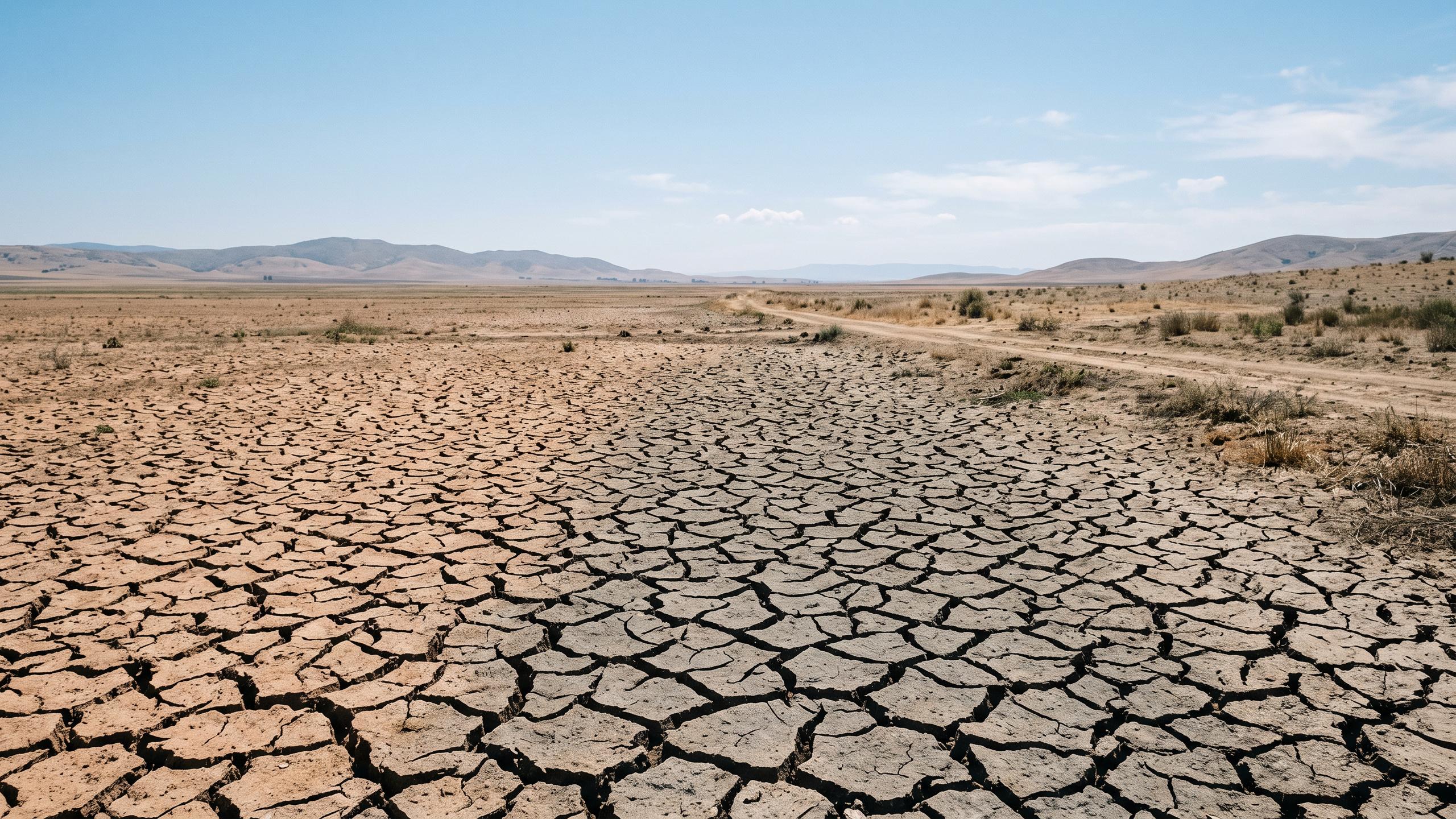
to 1,294.9 billion DH, is concentrated in Casablanca and Rabat. These cities are identified as among the least exposed areas to climate hazards, with a credit-weighted hazard index of 37 out of 100, which is below the regional average of 50. However, a significant portion of this credit finances firms operating in other, more exposed regions. Excluding Casablanca and Rabat, the credit-weighted hazard index rises to 47, and the four most exposed regions—Beni Mellal-Khenifra, Draa-Tafilalet, Marrakesh-Safi, and Oriental—account for 26.6% of the remaining credit. The Observatory also notes a rise in non-performing loans in the agricultural sector, increasing from 8.6% in 2022 to 13.2% in 2025, which is linked to several consecutive drought years and a 'structural vulnerability related to climate hazards.'
Why It's Important?
This analysis highlights a critical vulnerability in Morocco's financial system, where a substantial portion of bank credit is geographically concentrated in areas with lower climate risk, yet indirectly supports economic activities in highly exposed regions. This creates a potential systemic risk, as climate-related disruptions in agricultural areas, such as prolonged droughts, can lead to increased non-performing loans and financial instability. The rising non-performing loan rate in agriculture underscores the direct economic impact of climate change on specific sectors. While the study indicates no significant statistical association between overall credit growth and drought years, the localized impact on agriculture suggests that climate hazards are already translating into financial stress for directly affected industries. This situation could necessitate policy interventions to de-risk agricultural lending and encourage more climate-resilient investments.
What's Next?
The ongoing monitoring by the Morocco Climate and Economy Observatory will continue to provide crucial data on the evolving relationship between climate hazards and financial stability. Future reports are expected to further detail the impact of climate change on various economic sectors and regions. Policymakers and financial institutions in Morocco may need to consider strategies to mitigate the risks associated with climate-exposed lending. This could include developing new financial products tailored to climate-resilient agriculture, implementing risk-sharing mechanisms, or enhancing climate-related financial disclosures to better inform investment decisions. The observed increase in agricultural non-performing loans suggests a need for proactive measures to support farmers and reduce their vulnerability to climate shocks.
Beyond the Headlines
The findings from the Morocco Climate and Economy Observatory point to a broader challenge faced by economies worldwide: integrating climate risk into financial decision-making. The concentration of credit in less exposed urban centers, while financing activities in vulnerable rural areas, illustrates the complex interconnectedness of economic systems and climate impacts. This situation raises questions about the adequacy of current risk assessment models and the need for a more holistic approach to climate finance. The 'structural vulnerability' identified in the agricultural sector due to climate hazards could serve as a case study for other regions grappling with similar issues, emphasizing the importance of climate adaptation and resilience-building in economic planning. The ethical implications of financial institutions indirectly supporting high-risk activities without fully internalizing the climate costs also warrant further consideration.