

What's Happening?
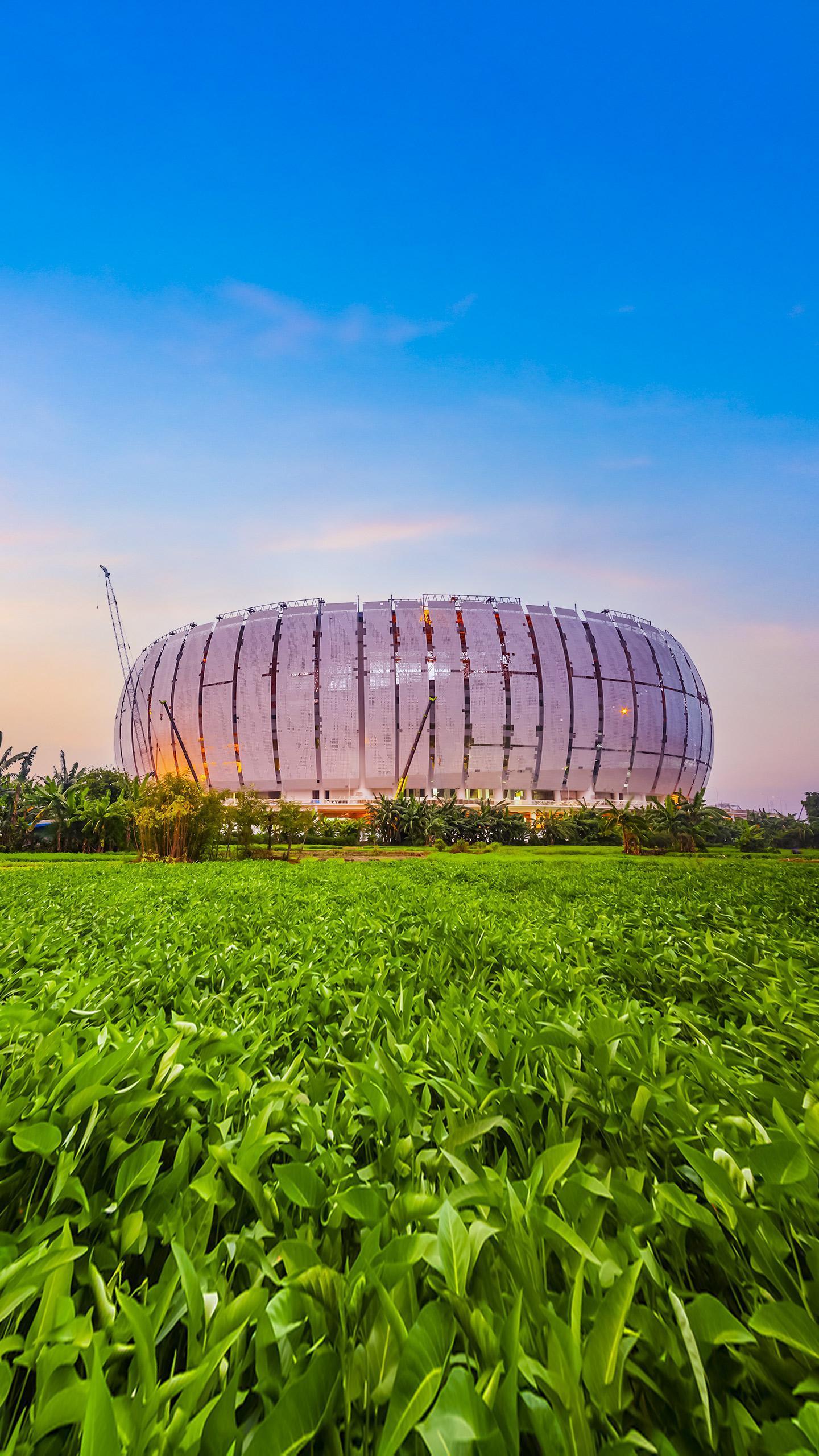
El Salvador is actively contributing to the growth of Central America's live entertainment industry, with the near completion of the new Estadio Nacional de El Salvador in its capital. This stadium is designed
to be the most modern and highest-capacity venue in the region, capable of accommodating 50,000 fans. This development is part of a broader trend in Central America, where improved security conditions and private investment are fostering economic growth. The region, including El Salvador, is seeing increased interest from international artists, particularly in the rock genre, alongside the continued success of Latin acts. The World Bank projects Latin America and the Caribbean to grow by 2.2%, with Central American nations like El Salvador outperforming the regional average due to durable policy foundations and enhanced security.
Why It's Important?
The construction of the Estadio Nacional de El Salvador signifies a major step in positioning Central America as a more viable and attractive market for international live entertainment. This new infrastructure will address the current lack of large, modern venues, which has historically made it challenging for major international acts to include Central American stops on their tours. By providing a world-class facility, El Salvador aims to draw more significant concerts and events, boosting tourism and local economies. The success of artists like Shakira, who grossed over $15 million from five concerts in San Salvador, demonstrates the substantial demand and economic potential within the region. This growth can lead to increased job creation, stimulate local businesses, and enhance the cultural offerings for residents, narrowing the gap between Central America and its more established entertainment markets in North and South America.
What's Next?
With the Estadio Nacional de El Salvador nearing completion, the immediate next step will be its opening and the subsequent scheduling of major events. This new venue is expected to attract a wider array of international artists, potentially leading to more comprehensive tour routings that include Central American countries. The success of this stadium, alongside other developments like Arena Gallo in Guatemala, will likely encourage further investment in entertainment infrastructure across the region. Promoters and agents will continue to educate artists and production teams about the modernized facilities and growing market demand, aiming to solidify Central America's position as a key destination for live music. The long-term goal is to establish a robust and self-sustaining live entertainment ecosystem that can rival larger markets.
Beyond the Headlines
The development of state-of-the-art venues like the Estadio Nacional de El Salvador has deeper implications beyond economic growth. It represents a cultural shift, providing Central American audiences with access to global entertainment experiences that were previously limited. This increased exposure to diverse musical acts can foster cultural exchange and broaden artistic tastes within the region. Furthermore, the success of these ventures can challenge existing perceptions about Central America's capacity for large-scale events and its overall economic stability. The emphasis on modern amenities and professional production standards also signals a commitment to elevating the quality of life and leisure options for the local population, contributing to a sense of national pride and regional advancement.