



What's Happening?
Manitoba provides a wide array of fishing and hunting lodges and outfitters, catering to various outdoor adventure preferences. Anglers typically require a fishing license, costing between $13.65-$27.30
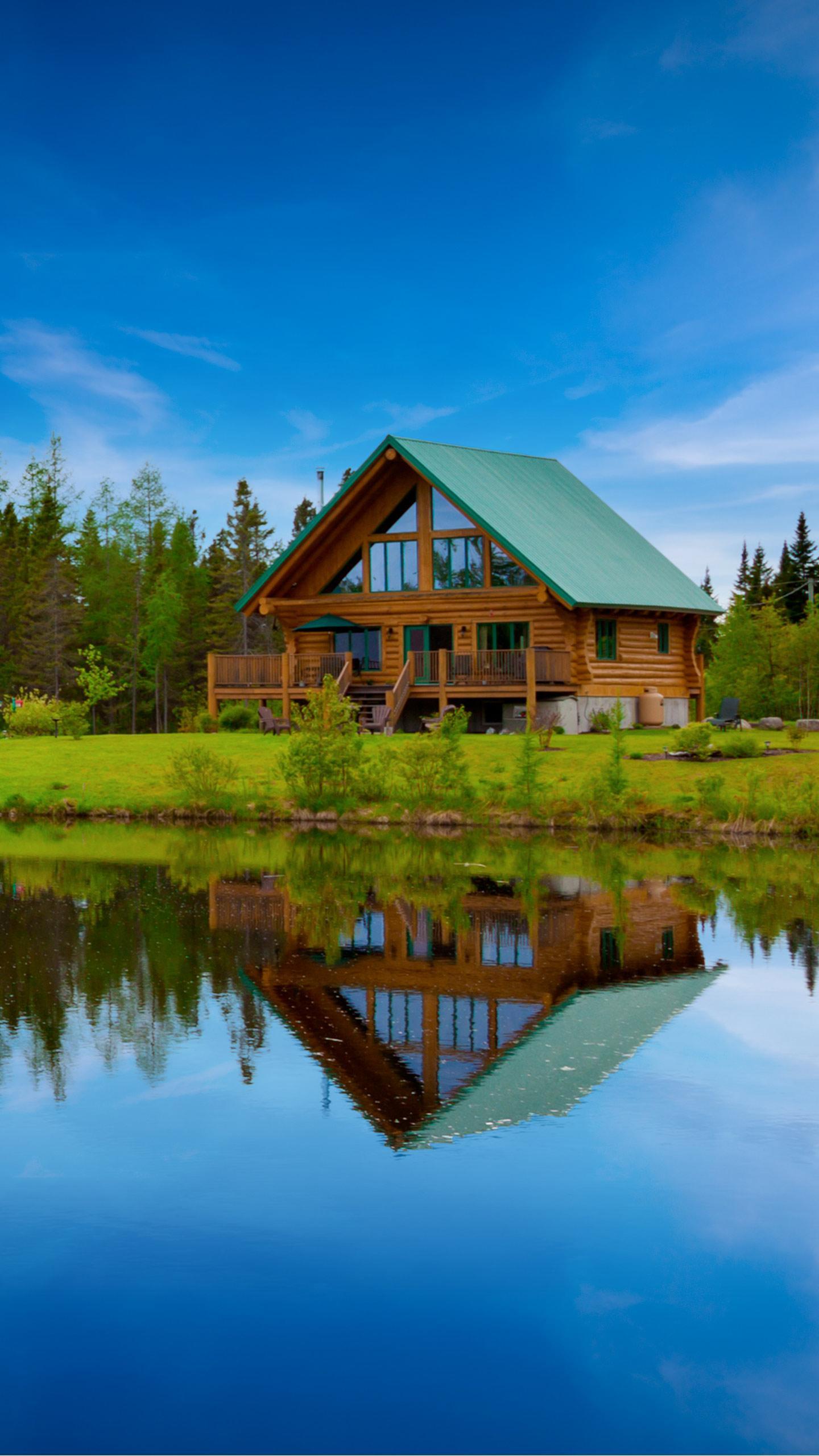
for a day and $29.40-$72.45 annually, which must be carried at all times. The province boasts a rich diversity of fish species, including walleye, northern pike, lake trout, and channel catfish. Lodges are categorized into drive-to options, like Wekusko Falls Fishing Lodge, and fly-in lodges, such as Shining Falls Lodge and North Haven Resort, which offer access to remote locations. Services range from basic outpost camps to luxury accommodations with fine dining and spas. Notable lodges include Aikens Lake Wilderness Lodge, Eagle Nest Lodge, Kississing Lake Lodge, Elk Island Lodge, Gangler’s North Seal River Lodge, and Munroe Lake Lodge, each offering unique experiences from trophy fishing to northern lights viewing.
Why It's Important?
Manitoba's robust offering of fishing and hunting lodges significantly contributes to its tourism economy, attracting both domestic and international visitors seeking outdoor adventures. This sector supports local businesses, creates employment opportunities, and promotes the conservation of natural resources through regulated activities. The variety of lodges, from budget-friendly outpost camps to high-end luxury resorts, ensures accessibility for a broad demographic, further boosting economic activity. For U.S. outdoor enthusiasts, Manitoba presents a close-by, diverse, and often more affordable alternative to domestic destinations, offering unique experiences like fly-in fishing to remote, pristine wilderness areas. The emphasis on specific fish species and unique amenities helps position Manitoba as a premier destination for specialized outdoor tourism.
What's Next?
The continued promotion and development of Manitoba's fishing and hunting lodge industry are expected. This includes efforts to attract more tourists, potentially through targeted marketing campaigns in key markets like the U.S. There may be ongoing initiatives to enhance infrastructure, improve accessibility to remote lodges, and expand the range of services offered to meet evolving tourist demands. Additionally, there will likely be a sustained focus on sustainable tourism practices and wildlife management to preserve the natural habitats and fish populations that draw visitors to the region. The industry will also need to adapt to changing travel trends and environmental considerations to maintain its appeal and economic viability.
Beyond the Headlines
Beyond the immediate economic benefits, Manitoba's outdoor adventure tourism fosters a deeper connection between visitors and nature, promoting environmental awareness and appreciation for wilderness conservation. The existence of remote fly-in lodges highlights the importance of preserving untouched natural landscapes, which are increasingly rare. These experiences offer a unique escape from urban life, providing mental and physical rejuvenation. The industry also plays a role in cultural exchange, as visitors interact with local communities and learn about regional traditions. The long-term success of this sector relies not only on economic factors but also on the continued health of Manitoba's ecosystems and the commitment to responsible tourism that balances visitor enjoyment with ecological preservation.