



What's Happening?
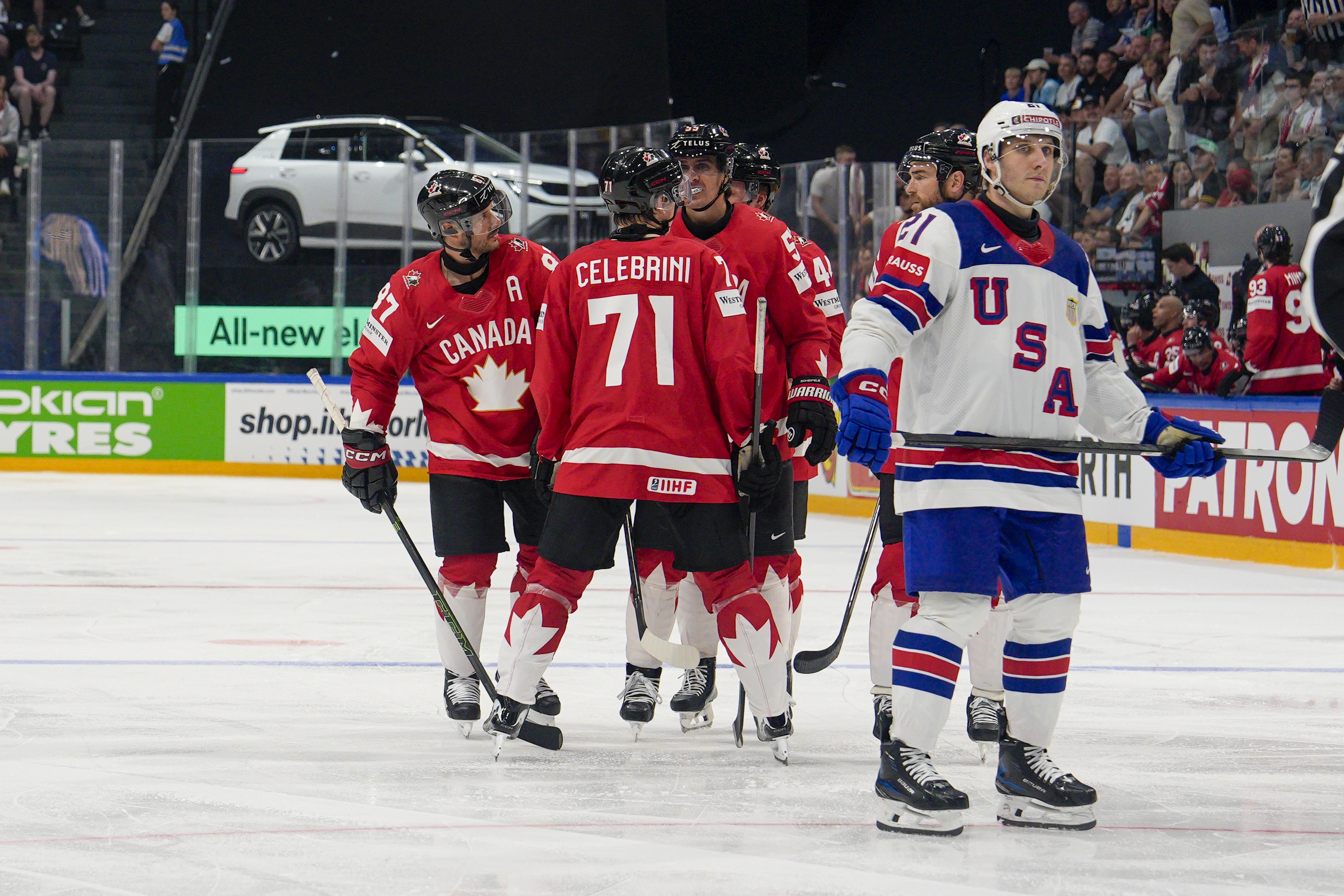
The International Ice Hockey Federation (IIHF) is facing significant pressure from major sponsors regarding the potential return of Russian national teams to the men's world championship. This follows
a Court of Arbitration for Sport (CAS) ruling that obliged the IIHF to lift its exclusion of Russian teams, which had been in place since 2022 due to the war in Ukraine. Skoda, the tournament's main sponsor for over 30 years, stated it would 'reassess' its involvement if Russia participates. Strauss, another long-time backer, indicated it would refuse logo exposure and is considering withdrawing sponsorship. Other sponsors, including Nokian Tyres and AJ Products, have also expressed similar intentions. Additionally, almost half of the 16 nations participating in the championship, including Finland, Sweden, the Czech Republic, Norway, Denmark, Latvia, and Austria, have declared they will not play against Russia.
Why It's Important?
This situation highlights the significant influence of corporate sponsors and participating nations on international sports organizations. The potential withdrawal or reduction of sponsorship from major companies like Skoda and Strauss could have substantial financial implications for the IIHF and the tournament. The widespread boycott by participating nations also threatens the integrity and competitive balance of the championship, potentially leading to forfeited games and a diminished event. This controversy underscores the ongoing tension between sports organizations' legal obligations (as per CAS rulings) and the moral and political stances of their stakeholders regarding international conflicts. The Canadian government has also stated it will not allow Russia to compete at the world junior championship, indicating a broader international stance against Russia's participation in sports.
What's Next?
The IIHF is currently analyzing the scenarios around the CAS ruling and acknowledging the 'significant practical and sporting challenges' of reintegrating Russian teams, including visa requirements, security, logistics, and competition formats. The federation stated that the global impact of the CAS decision was 'significantly underestimated.' The IIHF will need to decide how to proceed, balancing its legal obligations with the strong opposition from sponsors and member federations. This could lead to further negotiations with CAS, attempts to find a compromise solution, or a difficult decision that could alienate either Russia or a significant portion of its other stakeholders. Russian Sports Minister Mikhail Degtyaryov expects his country to be awarded wins if other nations forfeit games and plans to inform the International Olympic Committee about potential boycotts.
Beyond the Headlines
This situation reflects a broader trend where international sports bodies are increasingly caught between geopolitical realities and their stated principles of neutrality. The pressure from sponsors and national federations demonstrates a growing expectation for sports organizations to align with ethical and political stances, particularly concerning major international conflicts. This could set a precedent for how future geopolitical events impact international sports competitions and the role of corporate responsibility in such contexts. The controversy also raises questions about the autonomy of sports arbitration bodies like CAS and the practical enforceability of their rulings when faced with widespread opposition from key stakeholders. The long-term implications could include a re-evaluation of governance structures within international sports.