


What's Happening?
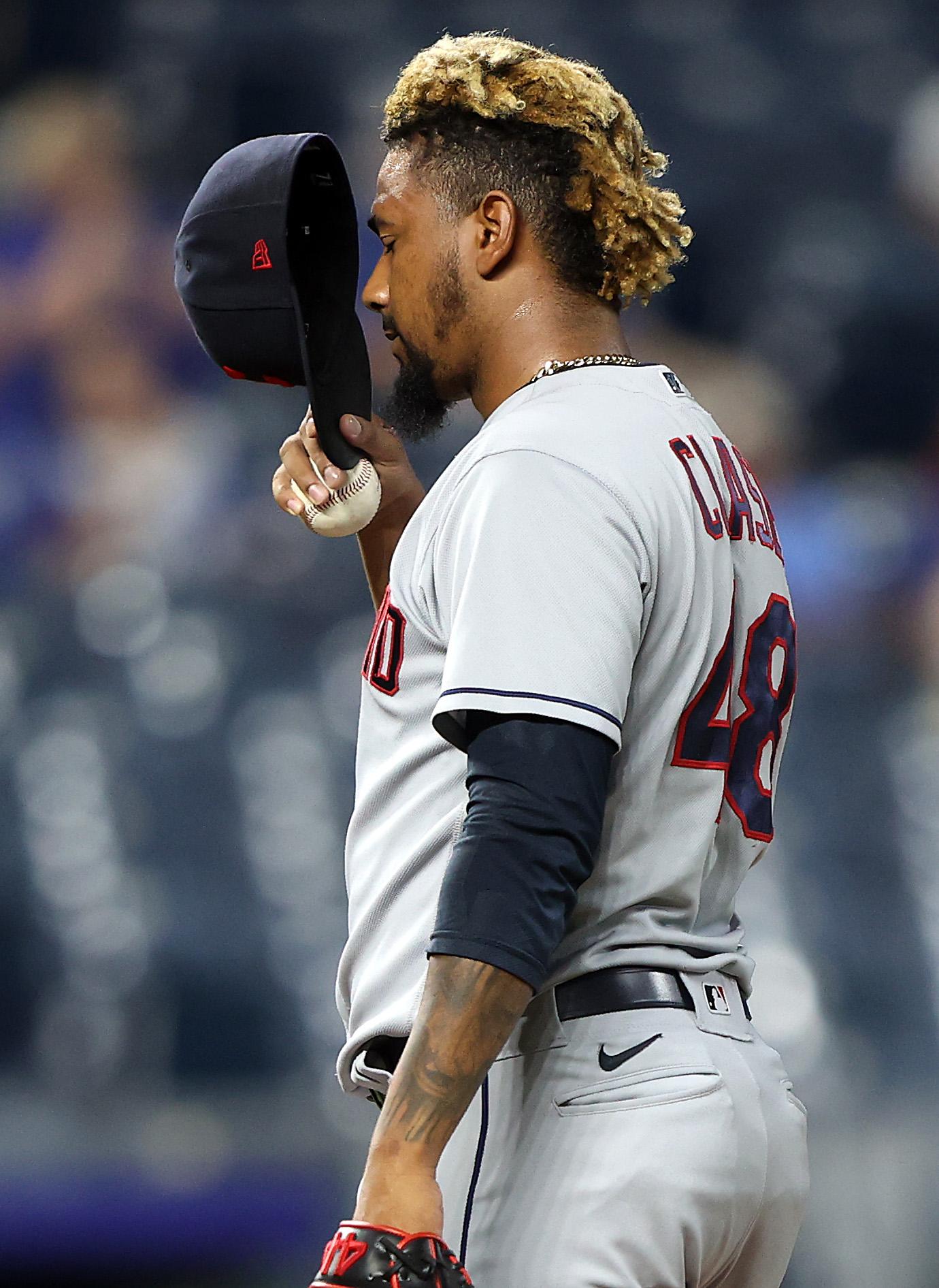
During the federal trial of Cleveland pitcher Emmanuel Clase, prosecutors presented a message he sent to a bettor, Enoc Pena, after Pena won approximately $9,900. In the message, Clase asked Pena to send
some of the winnings to the Dominican Republic for house repairs, suggesting Pena use someone else to facilitate the transfer. This exchange occurred the day after Pena's wager paid off when Clase threw a slider for a ball as his first pitch to Bobby Witt Jr. on April 12, 2025. Prosecutors allege that Pena was part of a group that won at least $400,000 from over 100 bets on Clase's pitches across three seasons. Clase and fellow Cleveland pitcher Luis Ortiz are currently on trial in Brooklyn, facing conspiracy charges related to allegations of manipulating pitches for betting purposes. Both players have pleaded not guilty. Michael Bronson, Clase's attorney, argued that Pena was merely guessing pitches and attempting to sell tips to other gamblers, while Samuel Landes, Ortiz's attorney, stated his client had no contact with gamblers.
Why It's Important?
This trial highlights the growing concerns surrounding sports betting integrity and its potential influence on professional athletes. The allegations against Clase and Ortiz, if proven true, could severely damage the credibility of Major League Baseball (MLB) and professional sports as a whole. The case underscores the vulnerabilities that can arise when large sums of money are involved in both sports and betting, potentially leading to illicit activities. For MLB, this trial represents a critical moment in demonstrating its commitment to maintaining fair play and preventing corruption. The outcome could influence future policies regarding athlete conduct, betting regulations, and the monitoring of suspicious betting patterns. Furthermore, the involvement of a lending company, RockFence Capital, which had loaned significant amounts to both players, adds another layer of complexity, raising questions about financial pressures on athletes and their potential susceptibility to such schemes.
What's Next?
The federal trial for Emmanuel Clase and Luis Ortiz is ongoing in Brooklyn, where jurors will continue to hear evidence and testimony from both the prosecution and defense. The defense teams are expected to present further arguments to counter the prosecution's claims, with Clase's attorney suggesting the bettor was merely speculating on pitches and Ortiz's attorney asserting his client had no contact with gamblers. The jury will ultimately decide whether the pitchers are guilty of conspiracy charges related to pitch manipulation. The outcome of this trial could lead to significant repercussions for both players, including potential prison sentences and permanent bans from MLB. Beyond the immediate legal consequences, MLB will likely review its existing policies on sports betting and player conduct, potentially implementing stricter regulations or enhanced monitoring systems to prevent similar incidents in the future. The sports betting industry may also face increased scrutiny and calls for more robust oversight.
Beyond the Headlines
The federal trial of Emmanuel Clase and Luis Ortiz delves into the deeper ethical and legal implications of sports betting in professional athletics. Beyond the immediate charges, this case brings to light the potential for financial entanglements, such as the substantial loans from RockFence Capital, to create vulnerabilities for athletes. It raises questions about the pressures athletes face and how these might intersect with the burgeoning legal sports betting market. The alleged scheme, involving specific pitch manipulation, highlights a sophisticated level of potential corruption that could undermine the fundamental fairness of the game. This trial could set a precedent for how similar cases are prosecuted and how sports leagues respond to allegations of game manipulation. It also prompts a broader societal discussion about the integrity of sports in an era where betting is increasingly integrated into the fan experience, challenging the perception of sports as purely merit-based competition.