


By Siddharth Cavale
NEW YORK, Nov 5 (Reuters) - Brent crude futures settled over $3 a barrel higher on Thursday as new attacks on tankers fed worries about oil supplies while investors reassessed the outlook
for the US-Israeli war with Iran.
Brent finished up $3.67, or 3.88% at $98.29 a barrel. US West Texas Intermediate crude closed $2.40, or 2.72% higher at $90.52 a barrel.
This marked a reversal from Wednesday, when both benchmarks tumbled more than 8% to their lowest settlement levels since August 31.
"Today’s rebound reflects caution about pricing in a rapid normalization of oil flows before diplomatic progress translates into dependable shipping and deliveries," Gelber and Associates wrote in a note on Thursday.
Andy Lipow, president of Lipow Oil Associates, said reports of tankers striking mines in the Middle East or being targeted by drones continue to worry the oil market. Investors are also worried about Iran's unchanged position regarding negotiations with the US.
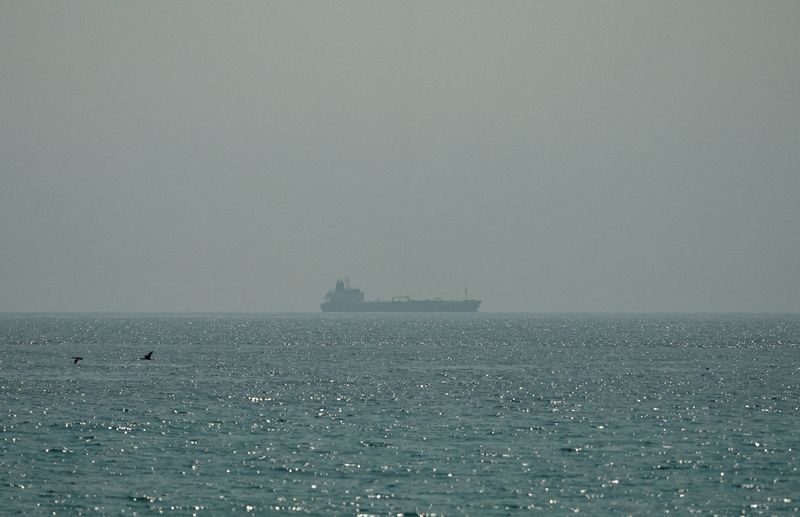
Attacks on tankers in the Gulf are still running close to a record pace with at least five vessels having reported incidents since Sunday, according to UK maritime security agency UKMTO. The pace was similar to October when the agency said 35 vessels were hit, the most in any month of the war.
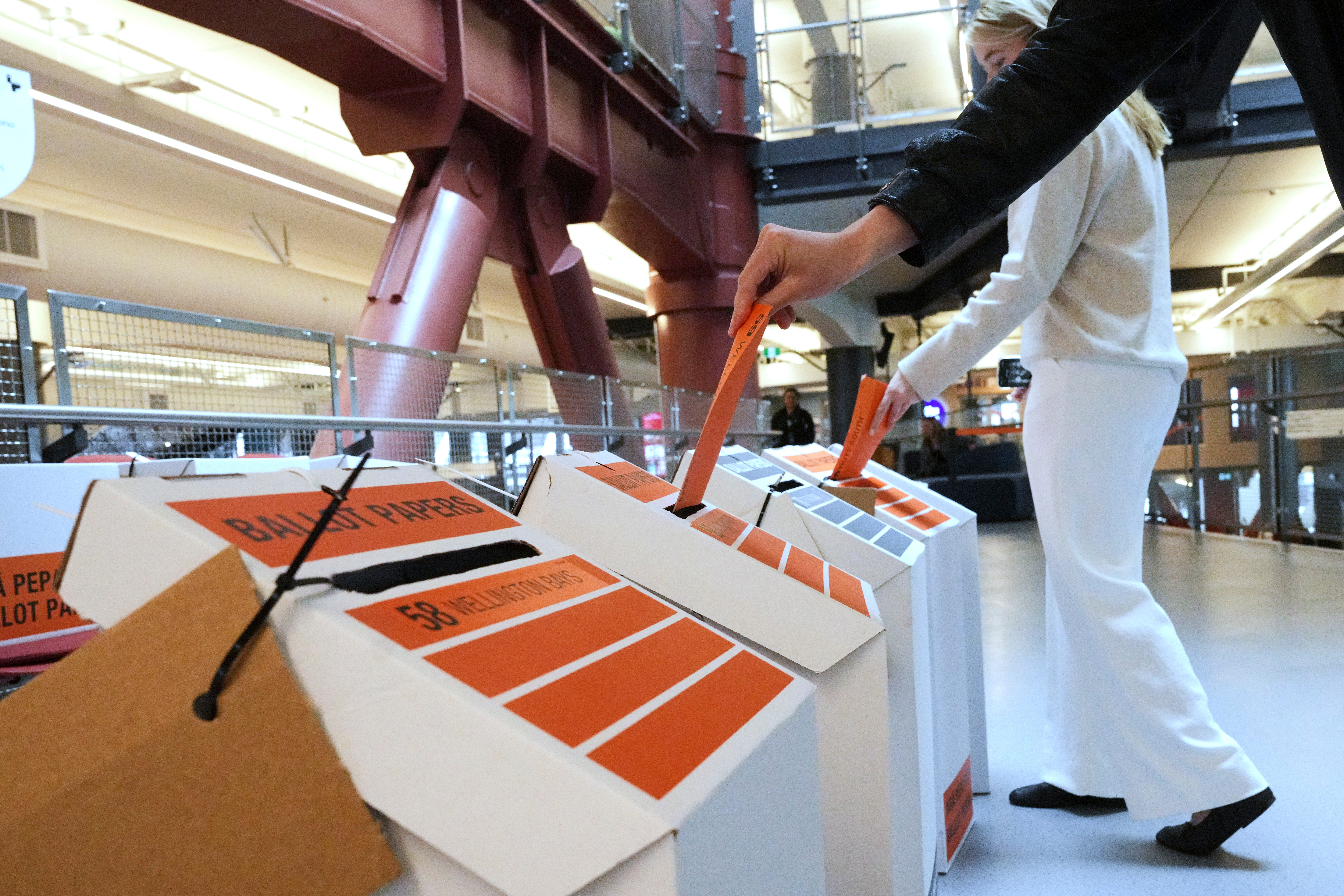
The war with Iran, which US President Donald Trump launched along with Israel in February, resulted in sharply higher fuel prices, which became major grievances for voters. Democrats took control of both houses of the US Congress in Tuesday's midterm elections, routing Trump's Republican Party.
The new Democratic-controlled Congress takes office in January.
Citi said in a note there were concerns that with the midterms over, the White House could focus on its executive powers in foreign policy and potentially escalate the war with Iran.
MIDDLE EAST TENSIONS SIMMER
Eurasia Group, however, lowered its estimate for the chance of renewed US strikes on Iran to 60% from 65%. It also cut the probability of a deal to 10% from 20%, as Iran has held firm on demands that Trump is viewed as unlikely to accept. Eurasia Group raised the likelihood of a continued standoff to 30% from 15%.
Despite the recent drop in oil prices, any escalation in the conflict could push Brent into a $110 to $125 per barrel range, Eurasia Group said in a note.
Meanwhile, the Iranian foreign ministry said Foreign Minister Abbas Araqchi discussed the "latest progress" in diplomatic efforts to promote regional stability in separate calls with his Saudi and Qatari counterparts.
Saudi Arabia, the world's biggest oil exporter, issued alerts on Thursday warning of potential danger in Yanbu, its Red Sea oil export hub, as Yemen's Iran-aligned Houthis continued attacks on the kingdom in another front of the Iran war.
The Houthis later said they attacked King Fahd airport in the Saudi city of Dammam. There was no immediate confirmation from Saudi authorities.
Iran's Islamic Revolutionary Guard Corps said two oil tankers and a tugboat caught fire in separate incidents after attempting to use unauthorised routes through the Strait of Hormuz.
Elsewhere, Ukraine renewed attacks on Russian oil refineries, raising concerns about Russia's ability to export diesel under a deal with Trump.
The Ryazan oil refinery, one of Russia's largest, appeared to have been targeted in a large overnight drone attack on industrial sites southeast of Moscow, according to a Reuters video analysis.
If confirmed, it would be the second Russian refinery hit this week, following an attack on the Yaroslavl plant on Monday night.
(Reporting by Siddharth Cavale in New York, Anna Hirtenstein in London. Additional reporting by Siyi Liu in Singapore; Editing by Joe Bavier, Louise Heavens, Susan Fenton, David Gregorio and Cynthia Osterman)