
What's Happening?
Ukraine's largest sunflower oil producers, including Kernel (owner of Shchedryi Dar and Chumak brands), Korolivskyi Smak, Delta-Vilmar, Potoky, and Bunge (owner of Oleina), have suspended operations. This
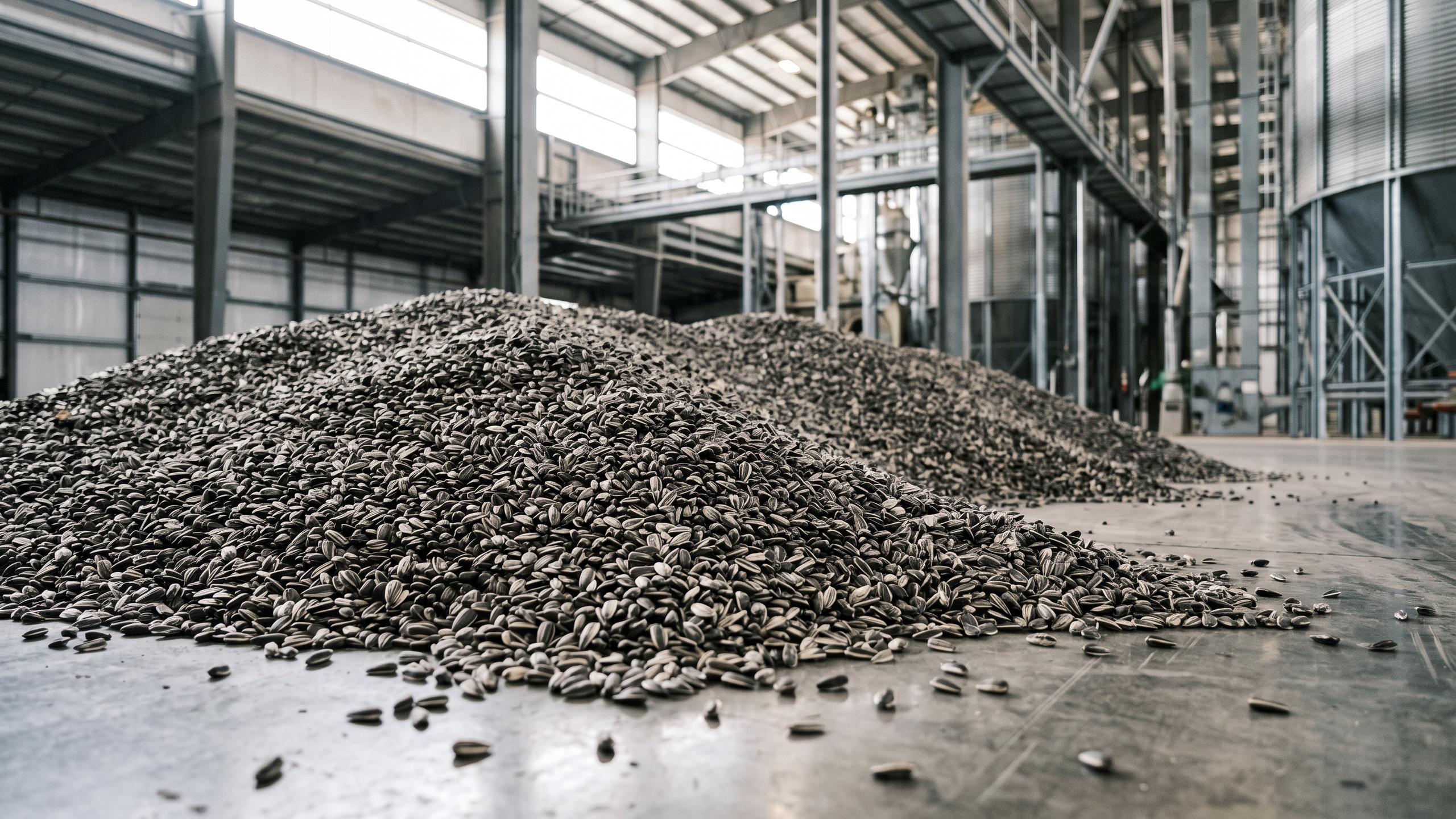
halt in production, which occurred within days, has significantly curtailed the output of one of the world's most consumed edible oils. While power outages and wartime risks are cited by companies like Kernel, experts and industry insiders indicate that the primary issue is the severe disruption to exports. Ukraine, the world's largest producer of sunflower oil and seeds, holds substantial inventories that cannot be effectively shipped due to Russia's continued blockade of ports and persistent attacks on grain terminals, particularly in Odesa. This situation has led to a significant accumulation of sunflower seeds in warehouses, causing prices for farmers to plummet from Hr.21,000-22,000 to Hr.12,000 per ton.
Why It's Important?
The suspension of operations by major Ukrainian sunflower oil producers carries significant global implications, as Ukraine accounts for 30-35% of the global sunflower oil market. This disruption is expected to push global sunflower oil prices higher, although the immediate impact may be mitigated by existing inventories. Edible oil is a strategic commodity, particularly in developing countries where it is crucial for calorie-dense baked goods. The inability to export these products not only impacts global food supply chains but also severely damages Ukraine's economy, as the industry generates substantial revenue. Farmers in Ukraine are facing severe financial hardship due to falling prices for sunflower seeds, which could deter future planting and exacerbate long-term supply issues. The situation highlights the vulnerability of global food markets to geopolitical conflicts and the strategic importance of maritime trade routes.
What's Next?
Experts anticipate that global sunflower oil prices will likely increase due to the reduced supply from Ukraine. However, the full impact on consumers may not be immediate as companies are still shipping from existing inventories. The long-term outlook for Ukrainian farmers is concerning, as depressed prices for sunflower seeds may lead to reduced planting in the next season, potentially creating more significant supply shortages in the future. The possibility of overland exports to neighboring countries like Poland and Romania is limited by port capacity and rail infrastructure, and political willingness from these nations to facilitate such exports has reportedly decreased. The situation underscores the ongoing challenge of maintaining agricultural exports from Ukraine amidst the conflict and the need for secure maritime corridors or alternative logistical solutions.
Beyond the Headlines
Beyond the immediate economic and supply chain disruptions, the situation in Ukraine's sunflower oil industry reveals deeper geopolitical and humanitarian implications. Russia's strategy appears to include crippling Ukraine's economy by preventing its agricultural exports, which has broader consequences for global food security, especially in regions heavily reliant on Ukrainian supplies. The challenges in finding alternative export routes highlight the complexities of international trade logistics and the political dimensions that can impede humanitarian and economic solutions. The reliance on a single commodity like sunflower oil also exposes the fragility of global food systems to regional conflicts, prompting questions about diversification and resilience in agricultural production and trade. The ethical dimension of targeting civilian economic infrastructure, particularly food production, also comes to the forefront.