
What's Happening?
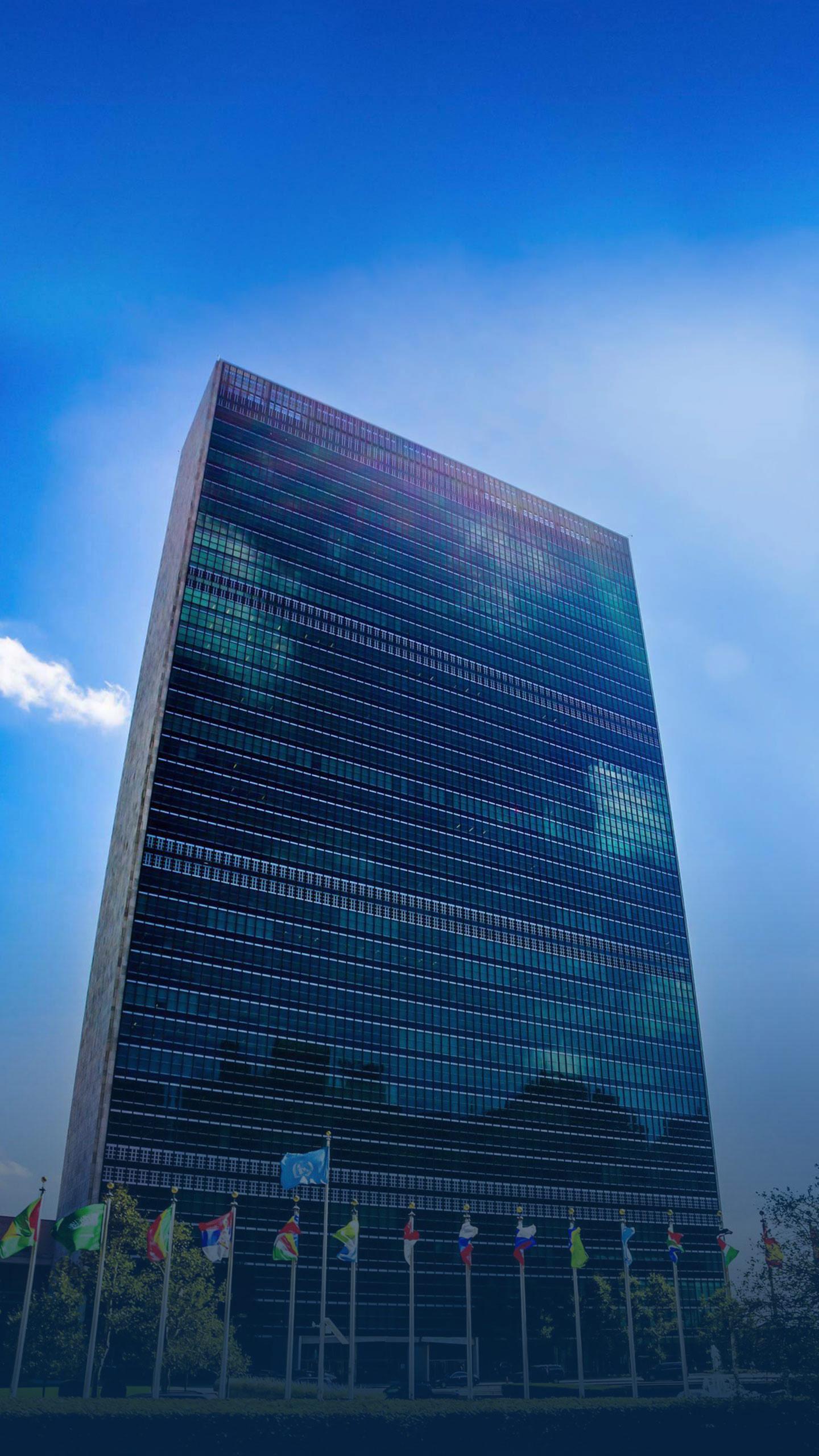
The United Nations University (UNU-CPR) is advocating for a fundamental shift in how global progress is measured, moving beyond Gross Domestic Product (GDP) as the primary indicator. In a submission to the intergovernmental
process on Beyond GDP, UNU-CPR argues for an institutional shift to a new standard that governments, the UN system, and financial institutions would actively use in decision-making. The current GDP metric is criticized for failing to reflect improvements in people's lives, the distribution of benefits, or the sustainability of progress within planetary limits. The submission, building on a framework proposed by the High-Level Expert Group on Beyond GDP, identifies gaps in current measurement, including headline indicators, cross-border spillovers, comprehensive wealth accounting, planetary boundaries, and the effects of technological change. It calls for a UN dashboard as a standard for policymaking, measuring inclusive and sustainable well-being for current and future generations.
Why It's Important?
This initiative by the United Nations University holds significant implications for global policy, including potential indirect effects on U.S. foreign policy, international aid, and economic partnerships. If adopted, a new global standard for measuring progress could influence how international financial institutions, such as the World Bank and IMF, assess countries, potentially impacting aid packages, loan conditions, and credit ratings. For the U.S., this could mean a re-evaluation of its own development assistance programs and a shift in focus towards metrics beyond purely economic growth when engaging with developing nations. It also highlights a growing global recognition that economic prosperity alone does not equate to societal well-being or environmental health. U.S. businesses operating internationally might face new reporting requirements or pressures to align with broader sustainability and social impact goals, as these new metrics could influence investment decisions and market access.
What's Next?
The UNU-CPR submission outlines five priorities for the Beyond GDP process. These include adopting a UN dashboard for policymaking that measures inclusive and sustainable well-being, making the UN Statistical Commission the custodian of this framework, balancing global coherence with national ownership, developing a small set of legitimate headline indicators, and creating implementation mechanisms that mainstream the framework across financing. The goal is for Beyond GDP to support and cohere existing frameworks like the 2030 Agenda, rather than adding another standalone mandate. The process will involve refining and completing the proposed framework, identifying and validating indicators, and ensuring its application by international financial institutions and credit rating agencies. Countries, especially developing ones, will require support to strengthen their statistical systems to implement these new measures.
Beyond the Headlines
The push to move 'Beyond GDP' represents a profound philosophical shift in how humanity defines and pursues progress. It challenges the long-held assumption that economic growth, as measured by GDP, is inherently good and sufficient for societal advancement. This initiative delves into ethical considerations by emphasizing inclusive and sustainable well-being, questioning who benefits from growth and at what cost to the environment and future generations. Legally, it could lead to new international agreements or frameworks that incorporate these broader metrics into national and international law. Culturally, it could foster a global re-evaluation of values, prioritizing environmental stewardship, social equity, and long-term sustainability over short-term economic gains. This development could trigger a long-term shift in global governance, moving towards a more holistic and interconnected understanding of progress that transcends purely economic indicators.