
What's Happening?
Portugal has declared a state of alert across its mainland territory in anticipation of storms Bruna and Charles, which are expected to bring severe weather conditions. Authorities are particularly concerned
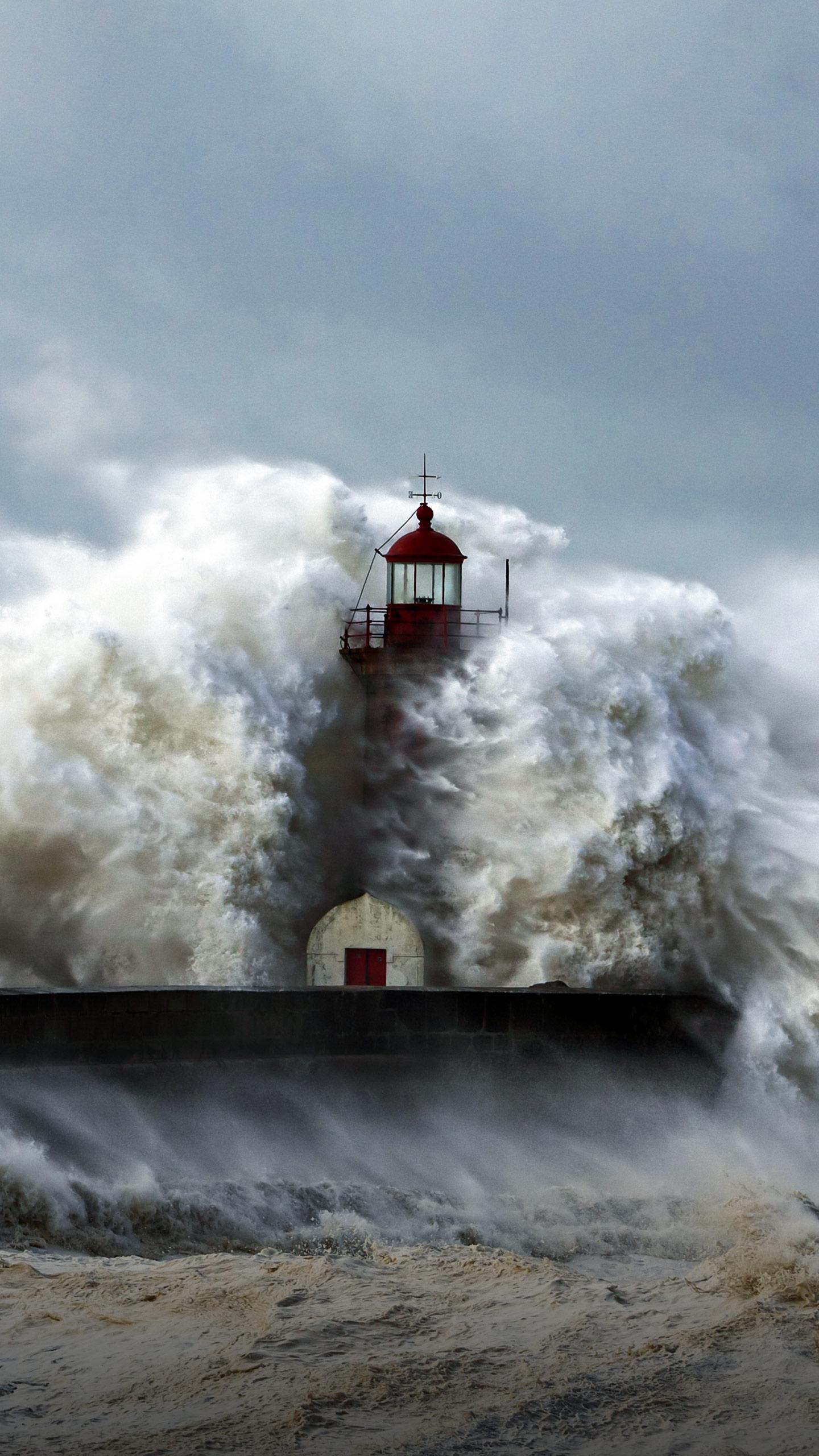
about the potential formation of a 'sting jet,' a rare and highly destructive meteorological phenomenon capable of producing wind gusts exceeding 160 km/h. The Greater Lisbon area is identified as being at the highest risk for this phenomenon, especially between midday and late afternoon on Wednesday. In response, the Portuguese government has implemented several preventive measures, including the closure of all public and private schools, non-essential public services, and a ban on movement in parks, forests, and gardens. The public has been urged to stay home to mitigate risks associated with urban flooding, falling trees, and power outages. The Portuguese Institute for Sea and Atmosphere (IPMA) has placed eight districts under a red warning until 9 PM on Wednesday, including Beja, Évora, Faro, Leiria, Lisbon, Portalegre, Santarém, and Setúbal. Lisbon city officials have also announced the closure of all tunnels and parks, as well as some bridges, from midnight, and speed limits have been imposed on major bridges.
Why It's Important?
The declaration of a state of alert and the implementation of widespread closures underscore the serious threat posed by the impending storms and the potential 'sting jet' phenomenon. Such extreme weather events can have significant immediate impacts on public safety, infrastructure, and daily life. The closure of schools and public services will disrupt routines for thousands of citizens and businesses, potentially leading to economic losses due to reduced productivity and commercial activity. The risk of urban flooding, falling trees, and power supply interruptions could strain emergency services and require extensive recovery efforts. For the Greater Lisbon area, a densely populated region, the potential for destructive winds poses a substantial threat to property and human life. The government's proactive measures aim to minimize these risks, but the severity of the predicted weather event highlights the vulnerability of urban areas to extreme meteorological phenomena and the importance of robust emergency preparedness.
What's Next?
As storms Bruna and Charles approach, Portuguese authorities will continue to monitor weather conditions closely, particularly for the development of the 'sting jet.' Emergency services are on high alert, prepared for potential rescue operations and to address immediate consequences such as urban flooding and power outages. Public transport services, including the Lisbon Metro and Fertagus, expect to maintain operations, though Carris bus services may be adjusted based on weather severity. Rede Expressos has suspended services during peak storm hours. The government's state of alert will remain in effect, and further advisories or restrictions may be issued depending on the evolving situation. Post-storm, efforts will focus on damage assessment, restoration of power and services, and clearing debris. The experience from previous storms, such as Kristin, which devastated parts of Leiria, will likely inform the response and recovery strategies in the coming days.
Beyond the Headlines
The anticipation of a 'sting jet' in Portugal brings to light the increasing intensity and unpredictability of weather patterns, potentially linked to broader climate trends. While the immediate focus is on public safety and infrastructure protection, such events prompt deeper discussions about urban planning, climate resilience, and emergency response protocols. The decision to close schools and urge citizens to stay home reflects a growing emphasis on proactive risk mitigation rather than reactive disaster management. This event could also serve as a case study for other European nations in preparing for similar rare but destructive weather phenomena. Furthermore, the economic repercussions, though immediate, could have longer-term effects on local businesses and tourism if such events become more frequent, necessitating adaptive strategies for economic stability in the face of climate-related challenges.