
What's Happening?
South American militaries are increasingly focusing on humanitarian assistance and disaster relief (HA/DR) operations as the region faces a heightened risk of natural disasters, including a predicted super
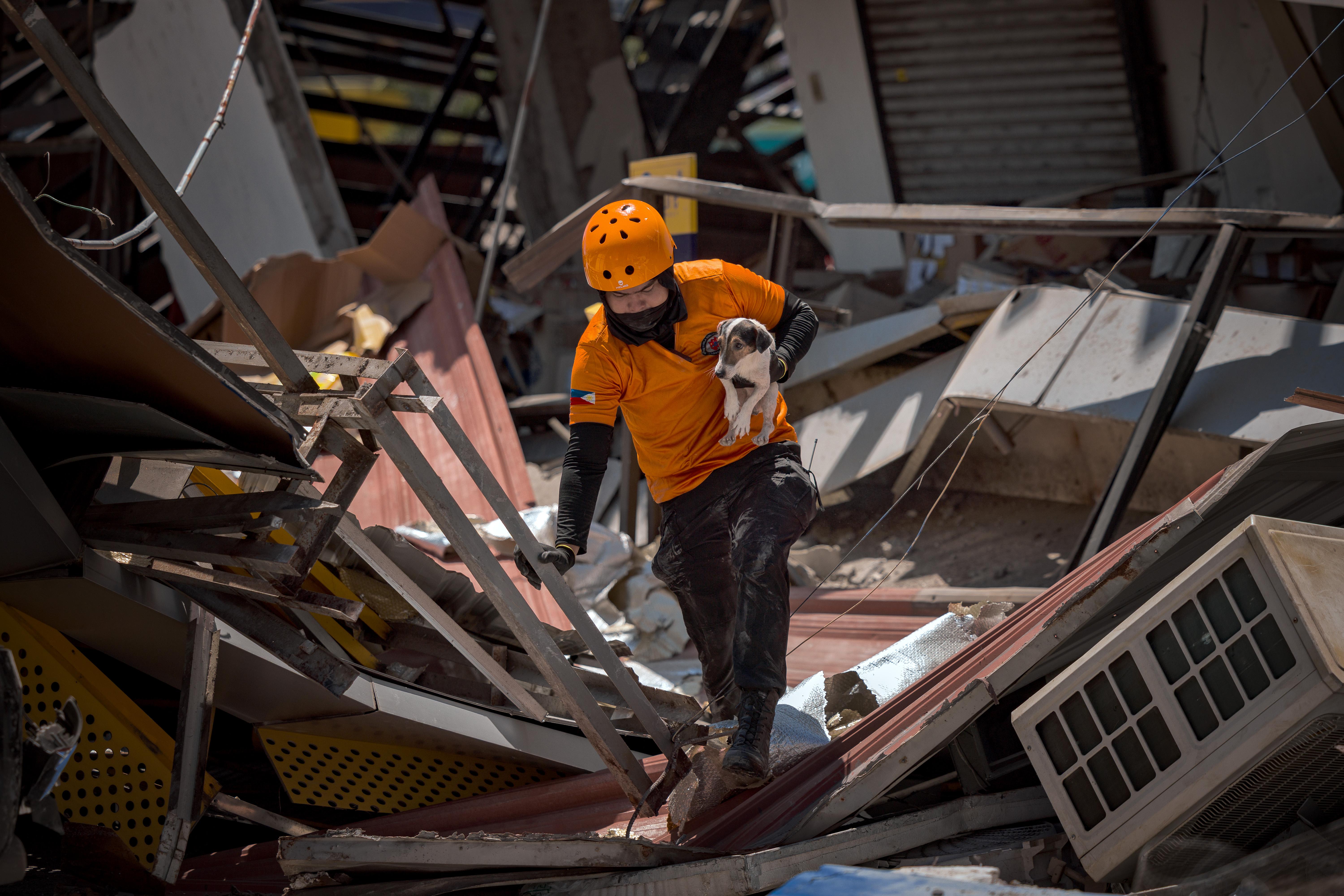
El Niño. Recent weeks have seen extensive military deployments in response to severe flooding in Peru, Paraguay, and Ecuador, as well as wildfires in Brazil. For instance, Peruvian Army troops delivered aid and medical services in flood-affected areas, while Paraguayan Army units transported food to isolated communities. In Ecuador, joint forces, including the Coast Guard and Air Force, transported over 10 tons of supplies to the Galápagos Islands. Brazil's armed forces have deployed aircraft and personnel to combat wildfires in Amazonas state, dropping over one million liters of water. These operations highlight the critical role armed forces play in disaster response, often filling gaps in civilian agency capabilities. The Inter-American Defense Board (IADB) has also established a mechanism, MECODE, to improve cooperation and coordination in HA/DR missions among regional militaries.
Why It's Important?
The increased involvement of South American militaries in HA/DR missions is significant for several reasons. Firstly, these operations serve as crucial confidence-building mechanisms among regional governments and militaries, fostering cooperation and potentially reducing interstate tensions. By working together during crises, nations strengthen military relations and build trust. Secondly, the growing frequency and intensity of natural disasters, exacerbated by climate change, necessitate robust and coordinated responses, which militaries are uniquely equipped to provide due to their organization, personnel, and assets. This focus also drives the acquisition of multipurpose equipment, such as transport aircraft and vessels, that can serve both military and humanitarian roles, potentially justifying increased defense budgets. However, it also raises questions about potential overreliance on armed forces for non-combat operations and the need for better-funded and equipped civilian disaster management agencies to share the burden.
What's Next?
Looking ahead, South American militaries are expected to further prioritize training and equipment acquisition for HA/DR missions. Some countries, like Peru and Colombia, have already established specialized units for humanitarian operations, a trend that may expand across the region. There will likely be continued investment in multipurpose vessels, aircraft, and ground vehicles capable of supporting both combat and disaster relief efforts. Additionally, the integration of new technologies, such as small ground robots for search-and-rescue and aerial drones for reconnaissance, is anticipated to enhance response capabilities. Regional cooperation mechanisms like MECODE are expected to play a larger role in facilitating coordinated responses to future disasters. Discussions will also continue regarding the optimal balance between military and civilian roles in disaster management, aiming to strengthen civilian agencies to reduce overreliance on armed forces.
Beyond the Headlines
The expanding role of South American militaries in HA/DR operations points to a broader shift in the perception and function of armed forces in the 21st century. Beyond traditional defense, militaries are increasingly becoming first responders to complex humanitarian crises driven by environmental factors. This evolution raises ethical and strategic questions about resource allocation, troop readiness for conventional warfare, and the potential blurring of lines between military and civilian responsibilities. While military involvement is often essential in large-scale disasters, a long-term overreliance could hinder the development of robust civilian disaster management infrastructure. This trend also highlights the disproportionate impact of climate change on vulnerable regions, compelling military institutions to adapt and integrate climate resilience into their strategic planning, thereby reshaping national security paradigms to include environmental threats as core concerns.