


What's Happening?
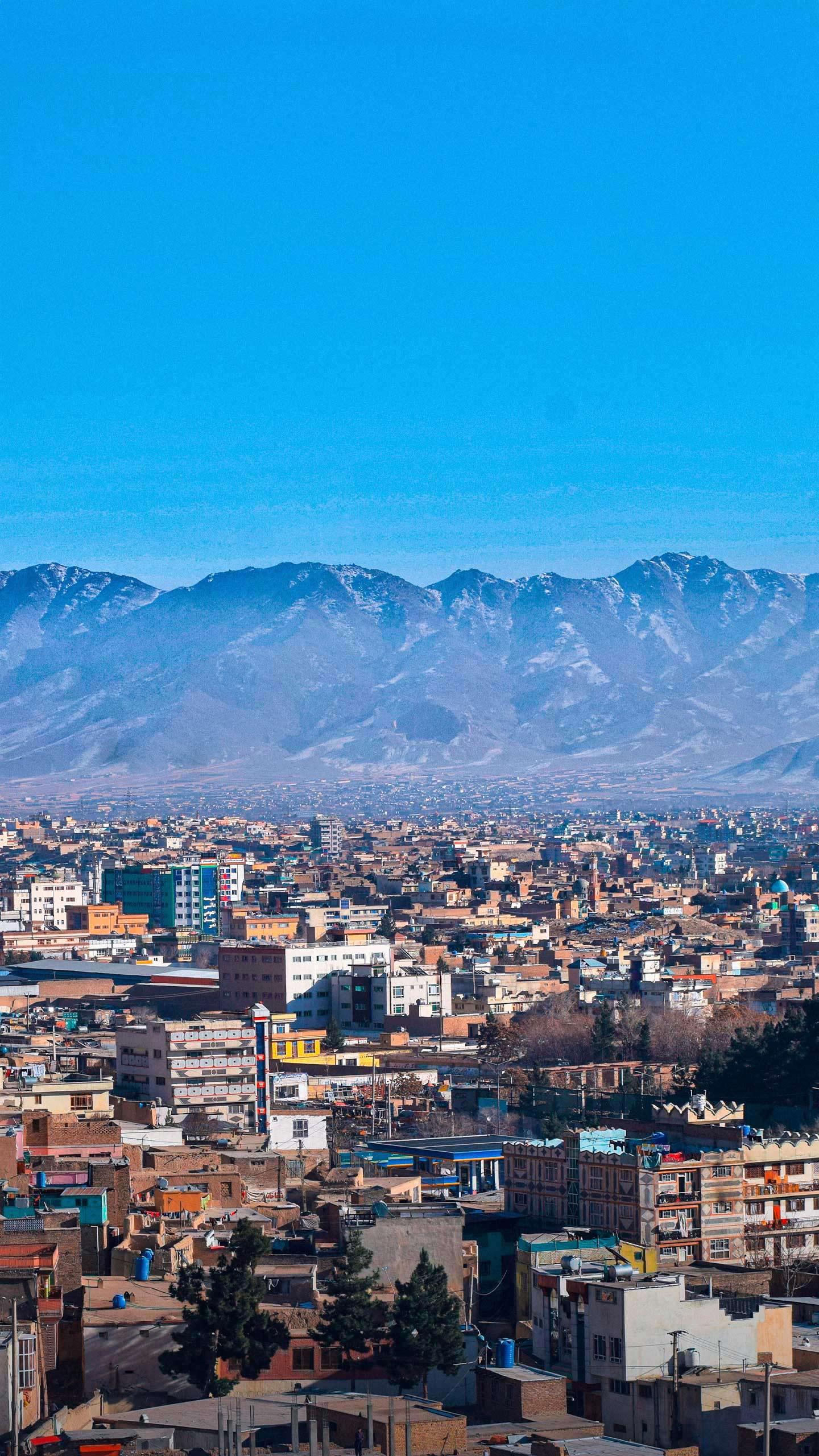
Russia continues to perceive Afghanistan as a potential source of regional insecurity, despite formally recognizing the Taliban government sixteen months prior. Russian Foreign Minister Sergey Lavrov warned
on October 16 that militant organizations maintain training camps and strongholds in Afghan territories bordering Tajikistan, Uzbekistan, and Turkmenistan. Lavrov also highlighted attempts to smuggle weapons and drugs from Afghanistan into Central Asian countries and Russia. He identified Islamic State Khorasan Province as the primary threat, suggesting militants aim to use Afghanistan as a base to expand terrorist activities into Central Asia and Russia. Following these concerns, the Russia-led Collective Security Treaty Organization (CSTO) announced plans to supply Tajikistan with additional weapons and security equipment, and Russian and Uzbek forces conducted joint military exercises near Afghanistan’s northern frontier.
Why It's Important?
This development is significant because it reveals a contradiction in Russia's foreign policy towards Afghanistan. While Moscow has sought to position itself as a key diplomatic player in the region and recognized the Taliban government, its actions indicate a persistent concern about instability emanating from Afghanistan. The increased military aid to Tajikistan and joint exercises with Uzbekistan underscore Russia's commitment to securing its Central Asian allies and its own borders against potential threats. This approach suggests that Russia's recognition of the Taliban was primarily a geopolitical move to gain influence after the American withdrawal, rather than a full endorsement of the Taliban's ability to ensure regional stability. The ongoing security concerns could lead to a more militarized border region and potentially strain Russia's relationship with the Taliban if perceived threats are not addressed.
What's Next?
In the immediate future, Russia is likely to continue its efforts to bolster the security of its Central Asian allies, potentially through further military aid, joint exercises, and intelligence sharing. The CSTO's plans to supply Tajikistan with additional equipment are a clear indication of this. Russia may also increase diplomatic pressure on the Taliban to address the presence of militant groups within Afghanistan. However, the Taliban's capacity and willingness to fully control all militant activities remain uncertain. This situation could lead to a prolonged period of heightened security measures along Afghanistan's northern borders, with potential for increased regional tensions and a complex interplay of diplomatic and security maneuvers between Russia, Central Asian states, and the Taliban.
Beyond the Headlines
The underlying tension between Russia's diplomatic recognition of the Taliban and its security concerns highlights the complex and often pragmatic nature of international relations. Russia's cultivation of relations with the Taliban, initiated through the Moscow Format consultations in 2016, was a strategic move to fill a power vacuum left by the American withdrawal and to project influence in a critical region. However, the persistent threat of groups like Islamic State Khorasan Province underscores the limitations of diplomatic recognition in ensuring stability, especially in a country with a history of internal conflict and porous borders. This situation also reflects a broader geopolitical struggle for influence in Central Asia, where Russia seeks to maintain its traditional role as a security guarantor while navigating the rise of new regional dynamics.