



What's Happening?
China has released its most detailed footage to date of the Gongji-11 (GJ-11) stealth strike drone, also known as 'Strike-11.' State media outlet CCTV aired segments providing multi-angle, close-up views
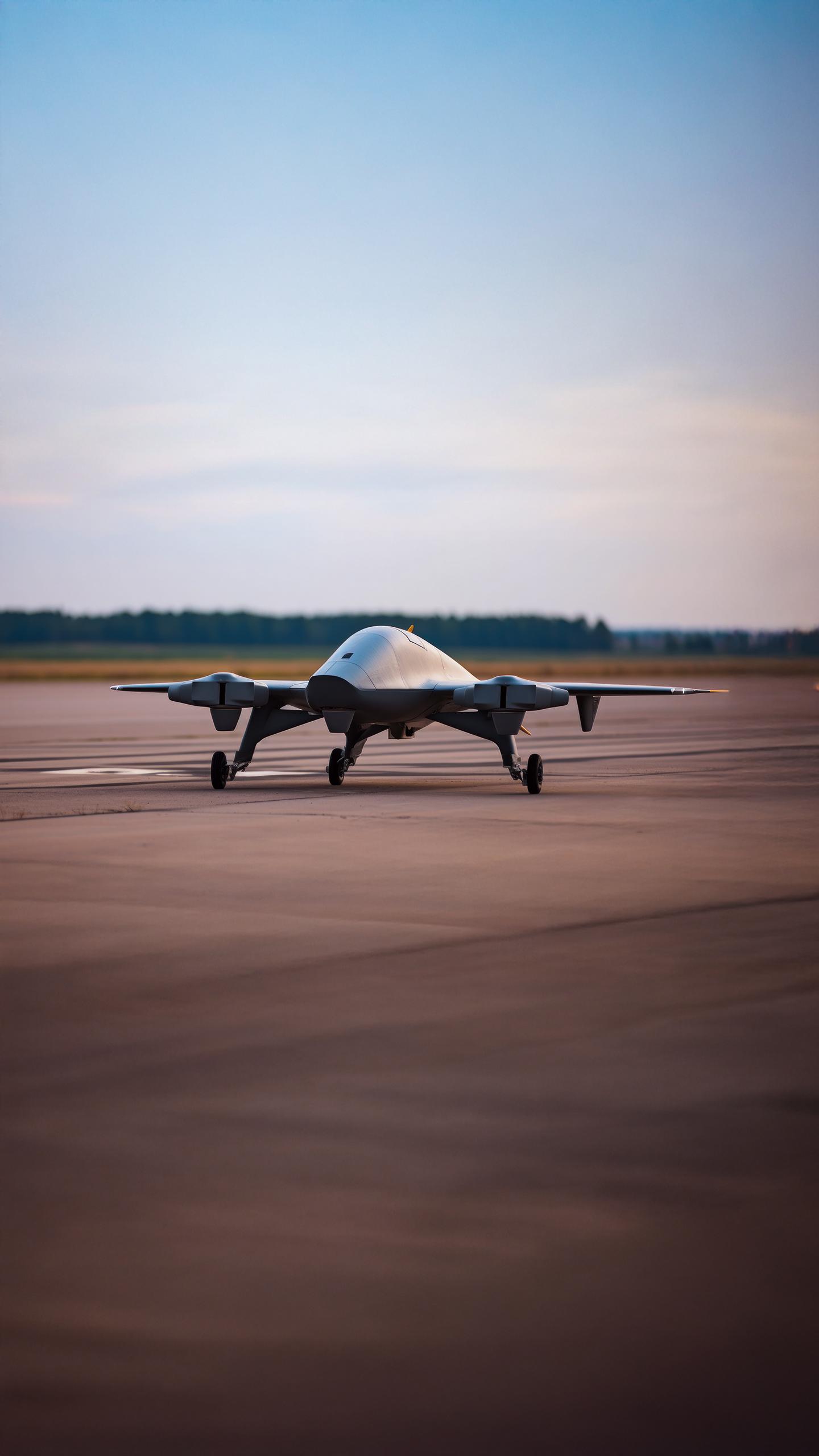
of the drone both on the ground and in flight, revealing its weapon bays, nose-mounted electro-optical and infrared sensor, and landing gear. The GJ-11, first unveiled in 2019, features a stealthy, flying-wing airframe similar to the B-2 Spirit bomber, designed to reduce radar reflections with its smooth body, internal weapons, and tucked-in engine. State media presenters indicated the drone is intended for recon missions and primarily to strike fortified ground targets deep behind enemy lines, carrying multiple guided bombs and precision-strike munitions. The drone is also designed to operate as a 'loyal wingman' alongside crewed aircraft like the J-20 stealth fighter, with the fighter jet clearing the skies while directing the GJ-11 to engage high-value targets. Recent reports also highlight the GJ-11's first successful live-fire strike, conducted by female drone operators.
Why It's Important?
The unveiling of detailed GJ-11 footage signifies China's rapid advancements in unmanned aerial vehicle (UAV) technology and its broader military modernization efforts. This development is important as it showcases a high-end stealth strike drone capability that the U.S. largely shelved a decade ago, potentially altering the balance of power in advanced military aviation. The GJ-11's design for deep penetration strikes and its 'loyal wingman' functionality suggest a sophisticated approach to future aerial warfare, where crewed and uncrewed aircraft operate in concert. For the U.S. and its allies, this represents a growing challenge in maintaining technological superiority and could influence defense strategies and investments in counter-drone technologies and next-generation combat aircraft. The drone's ability to conduct reconnaissance and precision strikes on ground targets enhances China's anti-access/area-denial (A2/AD) capabilities, particularly in potential conflict zones like the South China Sea or Taiwan Strait, making it more difficult for opposing forces to operate effectively.
What's Next?
Following the detailed reveal, China is expected to continue integrating the GJ-11 into its People's Liberation Army Air Force (PLAAF) operations, potentially showcasing more of its capabilities at upcoming aviation and aerospace exhibitions, such as the one in Zhuhai. Further developments may include public demonstrations of its autonomous capabilities, which remain unclear from the current footage, and the types of weapons it can deploy. The U.S. and its allies will likely intensify their intelligence gathering and analysis of the GJ-11 to understand its full operational scope and implications for regional security. This could lead to accelerated development and deployment of collaborative combat aircraft (CCA) programs in the U.S., which aim to produce attritable, mass-produced drones to work alongside crewed fighters. The introduction of naval variants, such as the GJ-21, also suggests future integration with China's growing aircraft carrier fleet, expanding its operational reach and potential impact on maritime security.
Beyond the Headlines
The detailed public display of the GJ-11 goes beyond merely showcasing a new weapon; it serves as a strategic communication to both domestic and international audiences about China's growing military prowess and technological self-reliance. This move could be interpreted as a signal of China's confidence in its defense industry and its ambition to become a leading military power. Ethically, the increasing sophistication of autonomous or semi-autonomous strike drones like the GJ-11 raises questions about the future of warfare, including decision-making processes in combat and accountability for actions taken by AI-driven systems. Legally, the deployment of such advanced stealth drones could prompt discussions on international arms control treaties and norms governing the use of unmanned combat aerial vehicles (UCAVs). Culturally, the emphasis on technological advancement in military hardware reflects a broader national narrative in China focused on innovation and strength, potentially influencing public perception and national pride.