



What's Happening?
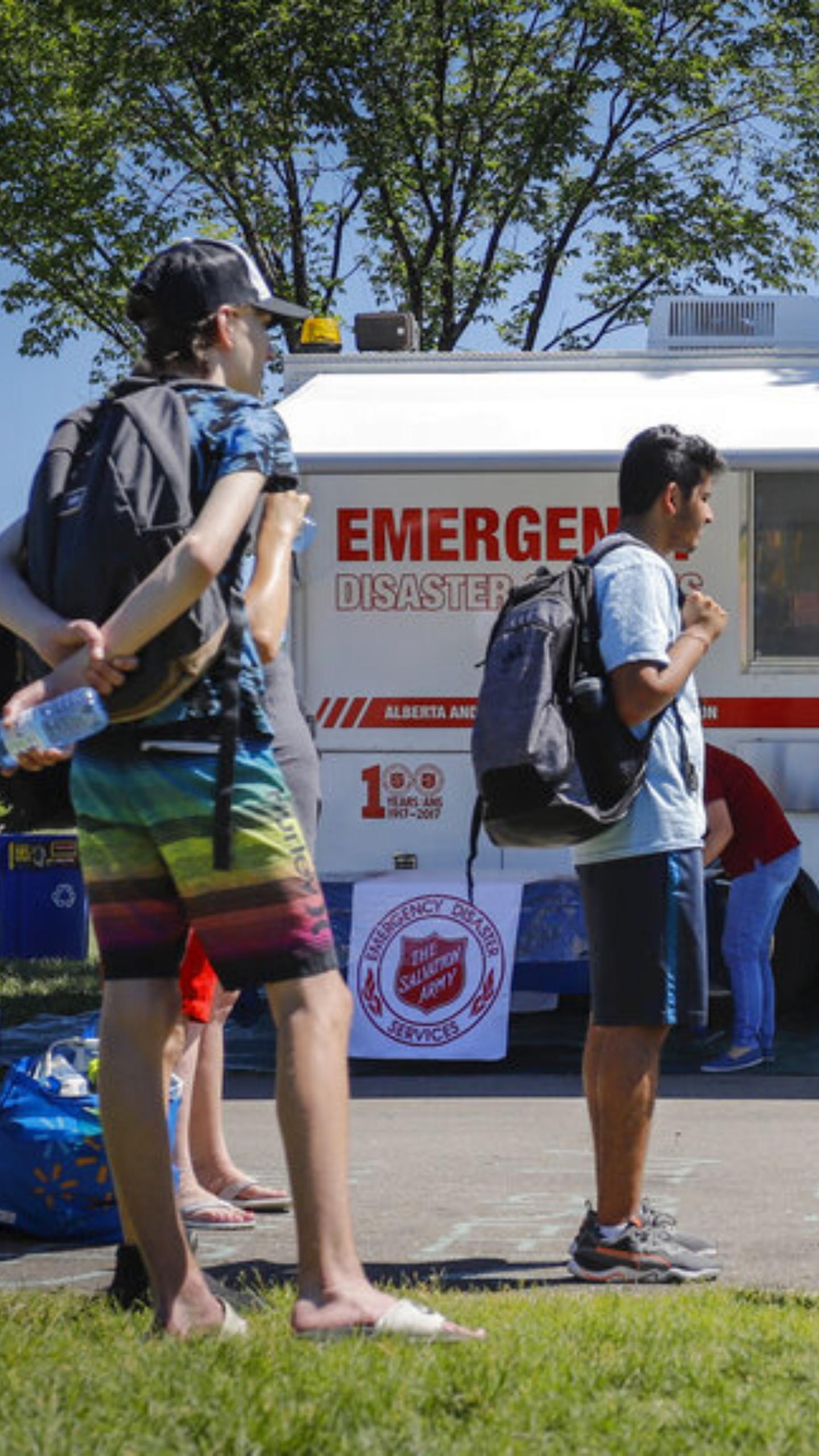
A recent survey conducted by The Salvation Army reveals that an estimated 12.1 million Australians, or 54% of the population, believe their quality of life has deteriorated compared to previous years due
to the ongoing cost-of-living crisis. The research, based on a survey of 2,000 Australians, highlights housing costs as the primary financial pressure, impacting 23% of respondents. Grocery prices (19%) and fuel costs (15%) follow as significant concerns. Many individuals are reportedly making desperate choices, with 17% admitting to forgoing medical help and 12.5% going without food due to financial constraints. Major Bruce Harmer of The Salvation Army emphasized the heartbreaking decisions families are forced to make to stay afloat. The organization has launched its annual Christmas Appeal, aiming to raise $35 million to support those struggling, having provided over 158,000 meals and 79,000 bed nights last Christmas.
Why It's Important?
This widespread impact of the cost-of-living crisis on Australian households signifies a significant societal challenge. The data underscores the vulnerability of a large segment of the population, particularly low-income renters, who are disproportionately affected. The necessity for individuals to skip medical care or go without food points to a potential public health crisis and a decline in overall well-being. The increased reliance on charitable organizations like The Salvation Army for basic necessities indicates a strain on social support systems and highlights the inadequacy of current economic conditions for many. The crisis could lead to long-term consequences such as increased poverty, health disparities, and social inequality, impacting the nation's human capital and productivity.
What's Next?
The Salvation Army's Christmas Appeal aims to provide immediate relief to struggling Australians, with a goal of raising $35 million. The ongoing concerns about homelessness and the need for charitable support are expected to continue as the crisis persists. While the federal government adjusted regulations last year to enable more medical practices to offer bulk billing, the out-of-pocket costs for doctor's consultations remain a barrier for many. The Reserve Bank of Australia's recent minutes also revealed concerns about a potentially sharper economic downturn and higher unemployment, suggesting that the financial pressures on households may not ease in the near future. Further government intervention or policy adjustments may be considered to address the root causes of the crisis and provide more sustainable relief.
Beyond the Headlines
The cost-of-living crisis in Australia extends beyond immediate financial hardship, touching upon deeper ethical and social implications. The fact that a significant portion of the population is forced to choose between essential medical care and food raises questions about the fundamental right to health and adequate living standards in a developed nation. The crisis could exacerbate existing social inequalities, creating a more divided society where access to basic necessities becomes a privilege rather than a given. The long-term psychological toll of constant financial stress and the erosion of quality of life could have profound effects on mental health and community cohesion. This situation also prompts a re-evaluation of economic policies and their impact on the most vulnerable, highlighting the need for a more equitable distribution of resources and opportunities.