



What's Happening?
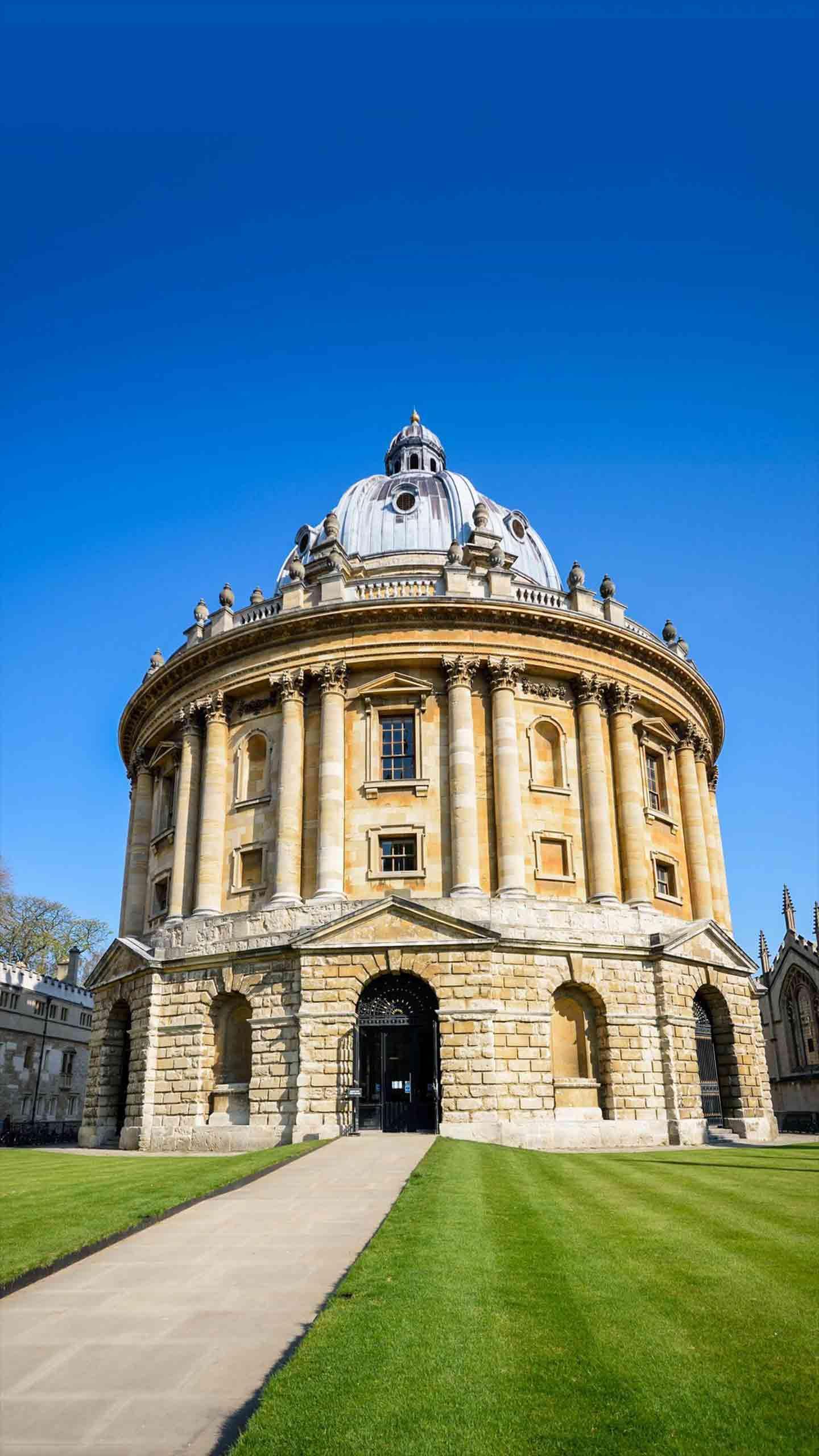
Former Canadian Prime Minister Justin Trudeau has taken on a new academic role at the University of Oxford, joining its Blavatnik School of Government as a distinguished fellow and a member of the institution’s
World Leaders Circle. The appointment, announced by the school on November 6, integrates Trudeau into an international network of former heads of government, which includes former New Zealand Prime Minister Jacinda Ardern and former British Prime Minister Rishi Sunak. Trudeau, 54, served as Canada’s prime minister from 2015 until 2025, leading the country for a decade before stepping down from office. In a statement, Trudeau expressed his anticipation of sharing his experiences and engaging with other leaders on how governments can address evolving global circumstances and work towards a more inclusive and prosperous future. Ngaire Woods, Dean of the Blavatnik School of Government, highlighted that Trudeau’s decade of public service provides valuable experience for students preparing for leadership roles in public administration and policymaking. The school, established in 2010, focuses on public policy education and developing future leaders.
Why It's Important?
This appointment is significant as it brings a former head of government with a decade of experience in national leadership into an academic setting focused on public policy. For students and aspiring leaders at the Blavatnik School of Government, Trudeau's direct experience in navigating major geopolitical and technological shifts will offer practical insights into governance and policymaking. His involvement could enrich discussions on international relations, economic policy, and social challenges, providing a real-world perspective that complements theoretical studies. The inclusion of a figure like Trudeau in such a prestigious academic institution underscores the growing trend of former political leaders transitioning into roles where they can contribute to global discourse and education. This move also allows Trudeau to continue influencing public policy and leadership development on an international stage, potentially shaping the next generation of global leaders.
What's Next?
Trudeau is scheduled to visit the Oxford institution later this month to engage with its academic community. This visit will likely involve lectures, seminars, and interactions with students and faculty, where he will share his insights on leadership and global governance. His role as a distinguished fellow suggests ongoing involvement, potentially including contributions to research, policy discussions, and mentorship programs. Beyond his academic commitments, Trudeau has remained active in international public engagements, delivering speeches and participating in public events since leaving Canadian politics. He also recently ventured into the entertainment industry with the launch of Hope & Hard Work, a media and entertainment production company. These diverse engagements indicate a multifaceted post-premiership career focused on both intellectual contributions and public outreach.
Beyond the Headlines
Trudeau's transition from national leadership to an academic and public engagement role highlights a broader trend among former world leaders to leverage their experience for educational and societal benefit. This move can be seen as an effort to institutionalize practical political knowledge and make it accessible to future policymakers. It also raises questions about the evolving nature of post-political careers, where former leaders often seek to influence global narratives and policy through non-governmental platforms. The Blavatnik School's strategy of assembling a 'World Leaders Circle' suggests an intentional effort to create a hub for experienced governance, fostering a unique environment for learning and policy innovation. This approach could lead to more nuanced and globally informed public policy solutions, drawing directly from the experiences of those who have navigated complex national and international challenges.