


What's Happening?
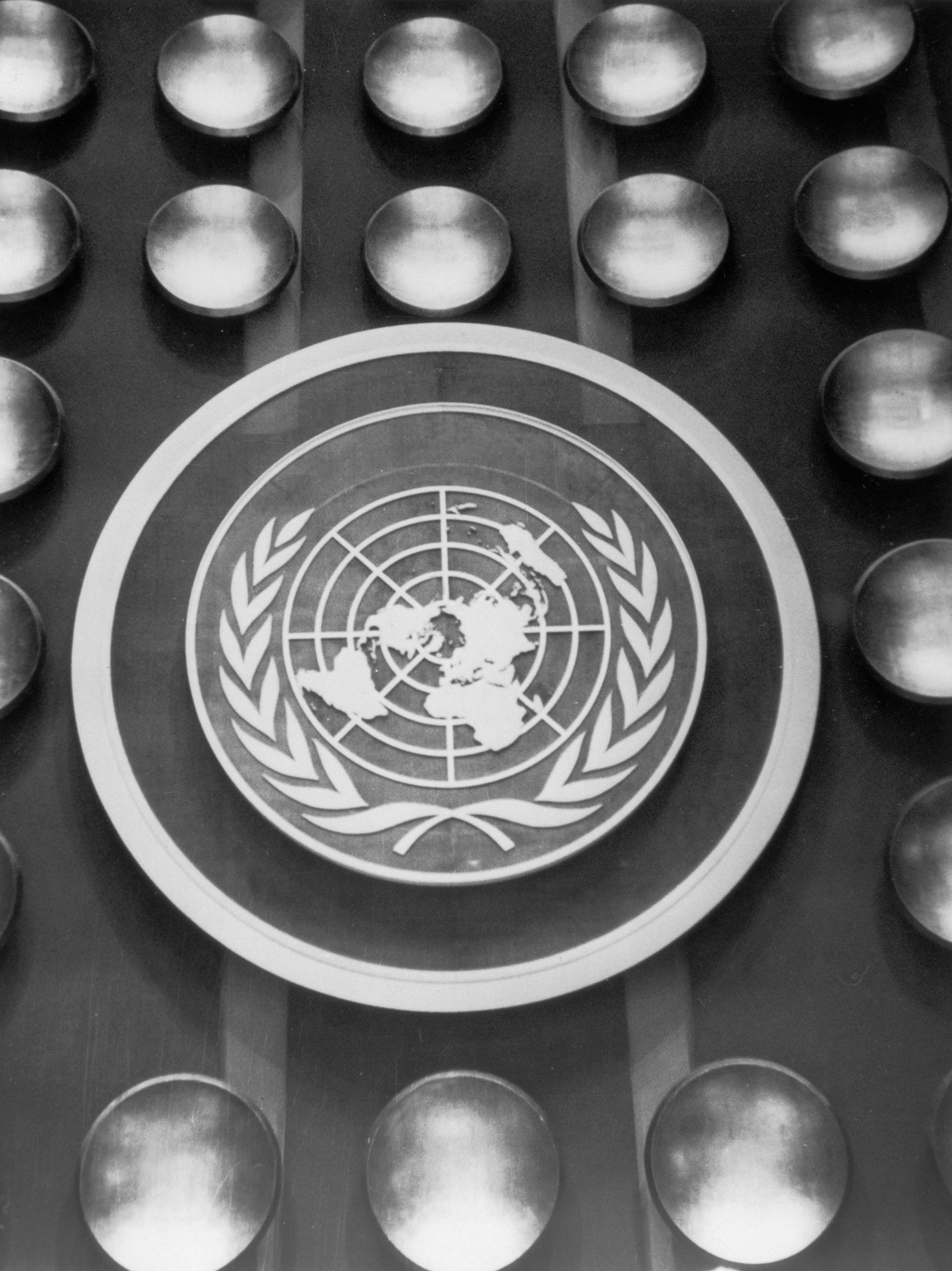
Discussions are underway regarding potential reforms or even the replacement of existing United Nations drug treaties. Various options have been proposed to adjust state obligations under these conventions
or to reform the conventions themselves. These options range from states unilaterally withdrawing from treaties, as Bolivia did with the Single Convention before rejoining with reservations on coca leaf, to rescheduling substances based on risk and therapeutic value. Some experts, like Rick Lines, advocate for a dynamic interpretation of the drug conventions to align them with human rights law. Others suggest stretching the meaning of 'medical and scientific purposes' to accommodate cannabis legalization, although this is seen as contrary to the treaties' original intent. Proposals also include fragmenting the regime by moving certain substances into parallel systems, such as a new Framework Convention on Cannabis Control, or allowing states to form partial parallel systems through 'inter se' agreements. Additionally, some have called for new protocols to address gaps or weaknesses, while others propose replacing the current treaties entirely with a new one that offers greater national flexibility.
Why It's Important?
The debate over UN drug treaty reform holds significant implications for the United States, particularly concerning drug policy, public health, and international relations. If the treaties are reformed to allow greater national flexibility, it could enable U.S. states that have legalized cannabis to operate without direct conflict with international obligations, potentially easing tensions between federal and state laws. A shift towards a public health-oriented approach, as suggested by some reform proposals, could influence U.S. drug policy by prioritizing treatment and harm reduction over punitive measures. Furthermore, the potential for 'inter se' agreements or new framework conventions could create new international legal landscapes for drug control, impacting U.S. trade, law enforcement cooperation, and diplomatic efforts related to narcotics. The outcome of these reform discussions could also affect the global illicit drug market, potentially altering supply chains and the strategies employed by international criminal organizations, which in turn impacts U.S. border security and domestic drug availability.
What's Next?
The ongoing discussions suggest that the future of global drug control is in flux. States and international bodies will likely continue to explore and debate the various reform options, ranging from minor adjustments to a complete overhaul of the existing treaty system. The feasibility of 'inter se' agreements, which would allow states to trade legalized substances among themselves despite broader treaty restrictions, will be a key area of focus. The potential for new international conventions, such as a Framework Convention on Cannabis Control, could also gain traction, leading to a more fragmented but potentially more adaptable global drug control regime. These developments will require careful consideration by U.S. policymakers to ensure that any changes align with national interests, public health goals, and international legal obligations. The debate is expected to continue, with various stakeholders advocating for different approaches to drug control in the coming years.
Beyond the Headlines
Beyond the immediate policy implications, the debate on UN drug treaty reform touches upon fundamental questions of national sovereignty versus international law, and the evolving understanding of public health and human rights in the context of drug use. The tension between strict prohibitionist frameworks and more liberal, public health-focused approaches highlights a global paradigm shift in how societies view and manage drugs. The push for 'dynamic interpretation' or new treaties reflects a growing recognition that the current system, established decades ago, may not adequately address contemporary challenges like the opioid crisis or the global movement towards cannabis legalization. This reform effort could set precedents for how other international treaties are adapted to changing global norms and scientific understanding, potentially influencing future international agreements on issues ranging from environmental protection to digital governance. It also raises ethical questions about the balance between individual liberties and collective societal well-being in drug policy.