



What's Happening?
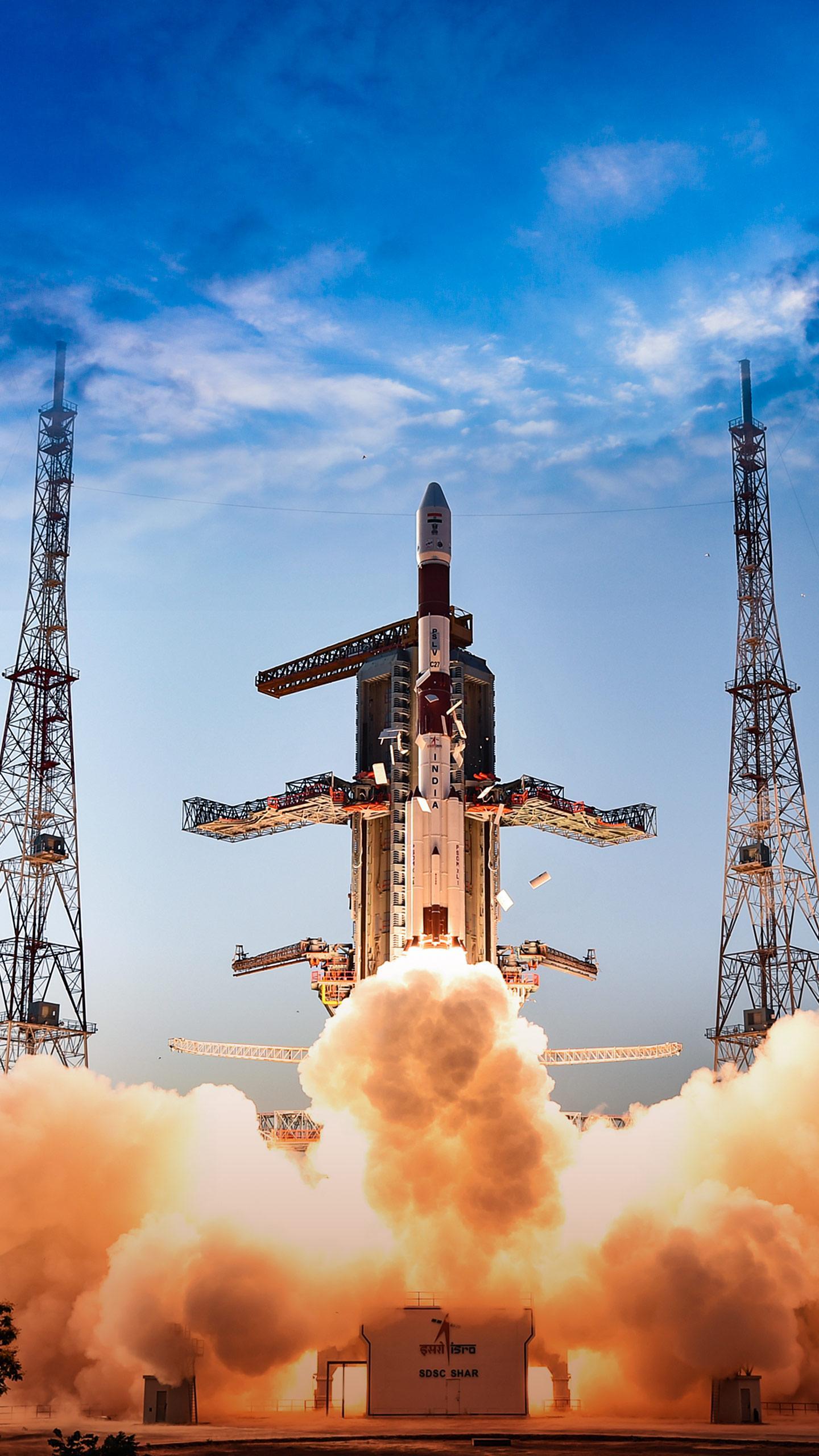
Prime Minister Narendra Modi announced that the Indian government's reforms in the space sector have significantly boosted private participation, enabling young entrepreneurs to develop and launch rockets
and satellites. This initiative has led to unprecedented advancements in India's space program. Modi highlighted key achievements such as the Aditya-L1 mission, India's first space-based solar observatory, and Chandrayaan-3, which successfully landed a space vehicle near the Moon's south pole, making India the fourth nation to achieve this feat. The country also demonstrated space docking and undocking capabilities last year. Furthermore, satellite technology is being integrated into various public services, including a satellite communication system for fishermen to receive storm alerts and a real-time train tracking system for passengers. Satellite data is also utilized in the Pradhan Mantri Fasal Bima Yojana (PMFBY) for crop yield estimation, aiding farmers' insurance claims. These developments underscore a dual focus: reaching new heights in space exploration while simultaneously applying space technology to improve daily life on Earth.
Why It's Important?
The opening of India's space sector to private players marks a pivotal shift, fostering innovation and creating a dynamic ecosystem for young talent. This move not only accelerates technological advancement within the country but also positions India as a significant player in the global space industry. By encouraging private companies and startups, India is diversifying its space capabilities beyond traditional government-led missions, which can lead to more cost-effective solutions and increased competitiveness. The application of satellite technology in sectors like agriculture, railway operations, and disaster management directly benefits millions of citizens, enhancing safety, efficiency, and economic stability. The success of missions like Aditya-L1 and Chandrayaan-3 boosts national pride and demonstrates India's growing scientific prowess, potentially attracting further international collaborations and investments. This strategic direction could lead to substantial economic growth and job creation within the burgeoning space economy.
What's Next?
The Indian space sector is poised for continued expansion, with the government targeting a significant increase in the space economy's value from approximately $8.4 billion in 2026 to $44 billion by 2033. This ambitious goal will likely be driven by further private sector involvement and commercial launch capabilities. The Indian Space Research Organisation (ISRO) is expected to continue its role in scientific research and advanced missions, while its commercial arm, NewSpace India Limited (NSIL), will focus on attracting international customers and generating foreign exchange through satellite launch services. The ongoing integration of space technology into public services is also anticipated to expand, with new applications emerging to address societal needs. Future missions and collaborations, such as joint ventures with NASA and France, will further solidify India's position in space diplomacy and scientific research, contributing to its strategic influence on the global stage.
Beyond the Headlines
The transformation of India's space sector extends beyond technological achievements, reflecting a broader shift in national policy towards leveraging scientific advancements for economic and social development. The emphasis on private participation and commercialization introduces a new paradigm, potentially fostering a culture of entrepreneurship and innovation that could spill over into other high-tech industries. This approach also highlights India's growing 'space diplomacy,' where its cost-effective space technology and satellite capabilities are used to strengthen international relations, particularly with developing countries. By providing satellite-based services and training, India is enhancing its soft power and leadership in the Global South. However, this rapid expansion also brings challenges, such as ensuring robust regulatory frameworks, managing increased space traffic, and addressing potential geopolitical competition, particularly from other major space powers. The long-term success will depend on a balanced approach that sustains scientific exploration, commercial viability, and international cooperation.