




What's Happening?
Langkawi, a Malaysian island, is actively pursuing a 'low-volume, high-value' tourism strategy by targeting high-spending travelers from the United Kingdom. According to LADA tourism manager Waffa Wahida
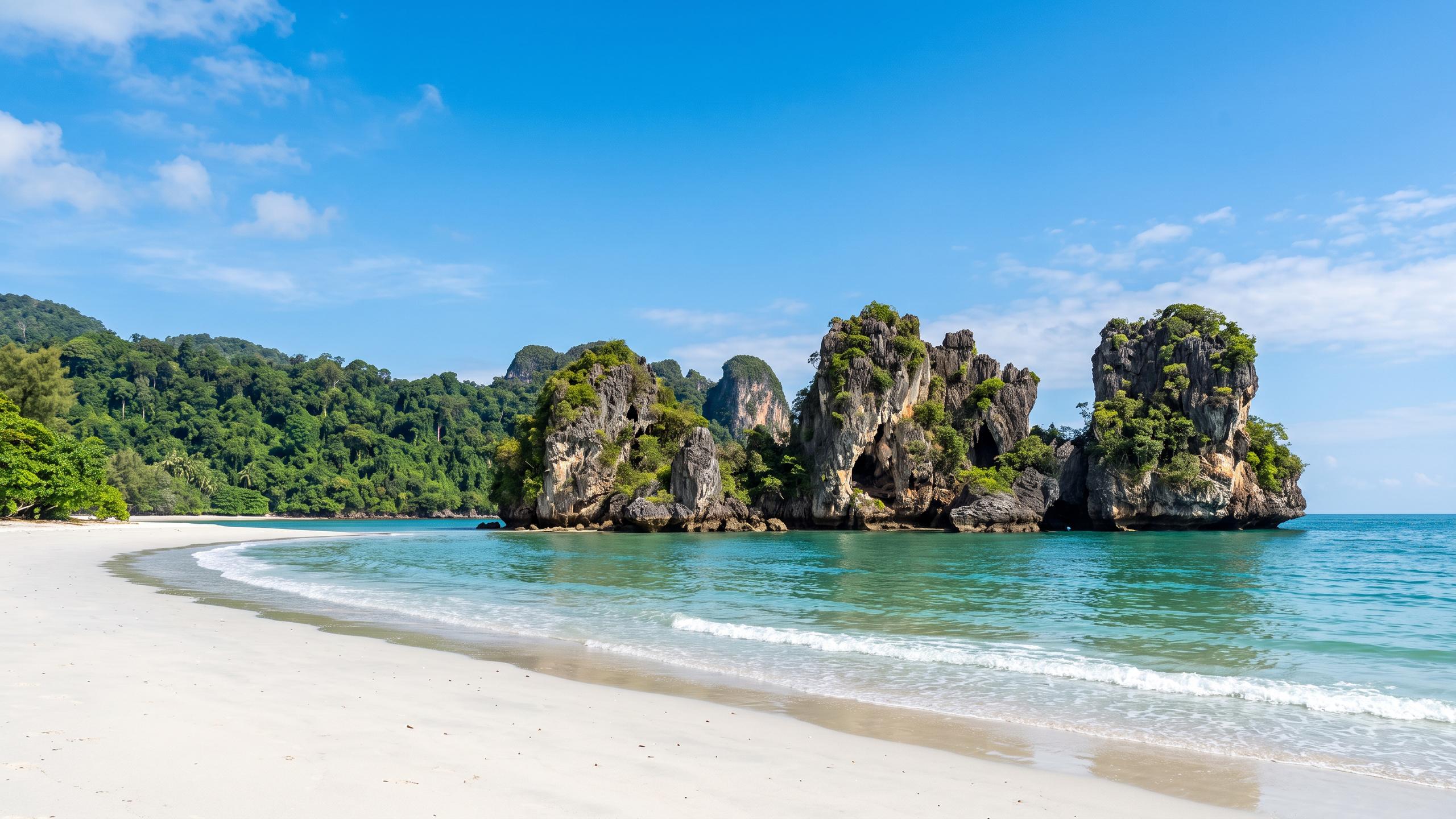
Zainol, the UK was Langkawi's largest European source market in 2025, accounting for 128,226 hotel guests, and ranked third overall behind India and China. The initiative focuses on attracting tourists interested in luxury, nature-based, and experiential tourism, who are likely to stay longer and spend more, thereby generating greater economic benefits for the island. Langkawi's appeal is enhanced by its status as a UNESCO Global Geopark, offering luxury resorts, pristine beaches, marine biodiversity, wellness options, and rich local culture. To strengthen its presence, the Langkawi Development Authority (LADA) participated in Tourism Malaysia’s roadshows in Manchester and London, engaging with UK travel trade professionals to showcase the island's offerings and explore potential partnerships.
Why It's Important?
This strategic shift by Langkawi to attract high-spending UK travelers is significant for its tourism economy. By focusing on a 'low-volume, high-value' approach, the island aims to maximize economic returns per visitor, rather than solely relying on high tourist volumes. This strategy can lead to more sustainable tourism development, reducing environmental impact while increasing revenue. The emphasis on luxury, nature-based, and experiential tourism aligns with evolving global travel trends, where discerning travelers seek unique and authentic experiences. For the UK travel market, this presents new opportunities for specialized tour operators and travel agencies to offer bespoke packages to a destination that combines natural beauty with cultural richness. The success of this initiative could serve as a model for other destinations looking to enhance their tourism offerings and economic resilience.
What's Next?
Langkawi plans to continue its efforts to raise awareness of its diverse tourism experiences among potential UK visitors and foster industry relationships to generate future demand. The roadshows in the UK were part of Malaysia's broader tourism promotion under the Visit Malaysia 2026 campaign, indicating a sustained commitment to attracting international markets. Future steps will likely involve continued engagement with UK travel trade professionals, targeted marketing campaigns, and the development of new tourism products tailored to the preferences of high-spending travelers. The aim is to solidify Langkawi's position as a premier destination that offers more than a conventional beach holiday, encouraging longer stays and deeper engagement with the island's natural and cultural assets.
Beyond the Headlines
The 'low-volume, high-value' tourism strategy adopted by Langkawi reflects a growing global trend towards more sustainable and responsible tourism. This approach not only aims to boost economic benefits but also seeks to preserve the natural and cultural heritage of destinations by managing tourist numbers and encouraging respectful engagement. The focus on experiential and nature-based tourism highlights a shift in traveler preferences towards authentic and immersive experiences over mass tourism. This strategy could lead to a more balanced ecosystem for tourism, where local communities benefit more directly, and the environmental footprint is minimized. It also underscores the importance of strategic market segmentation in tourism, moving beyond general appeals to target specific demographics with tailored offerings.