


What's Happening?
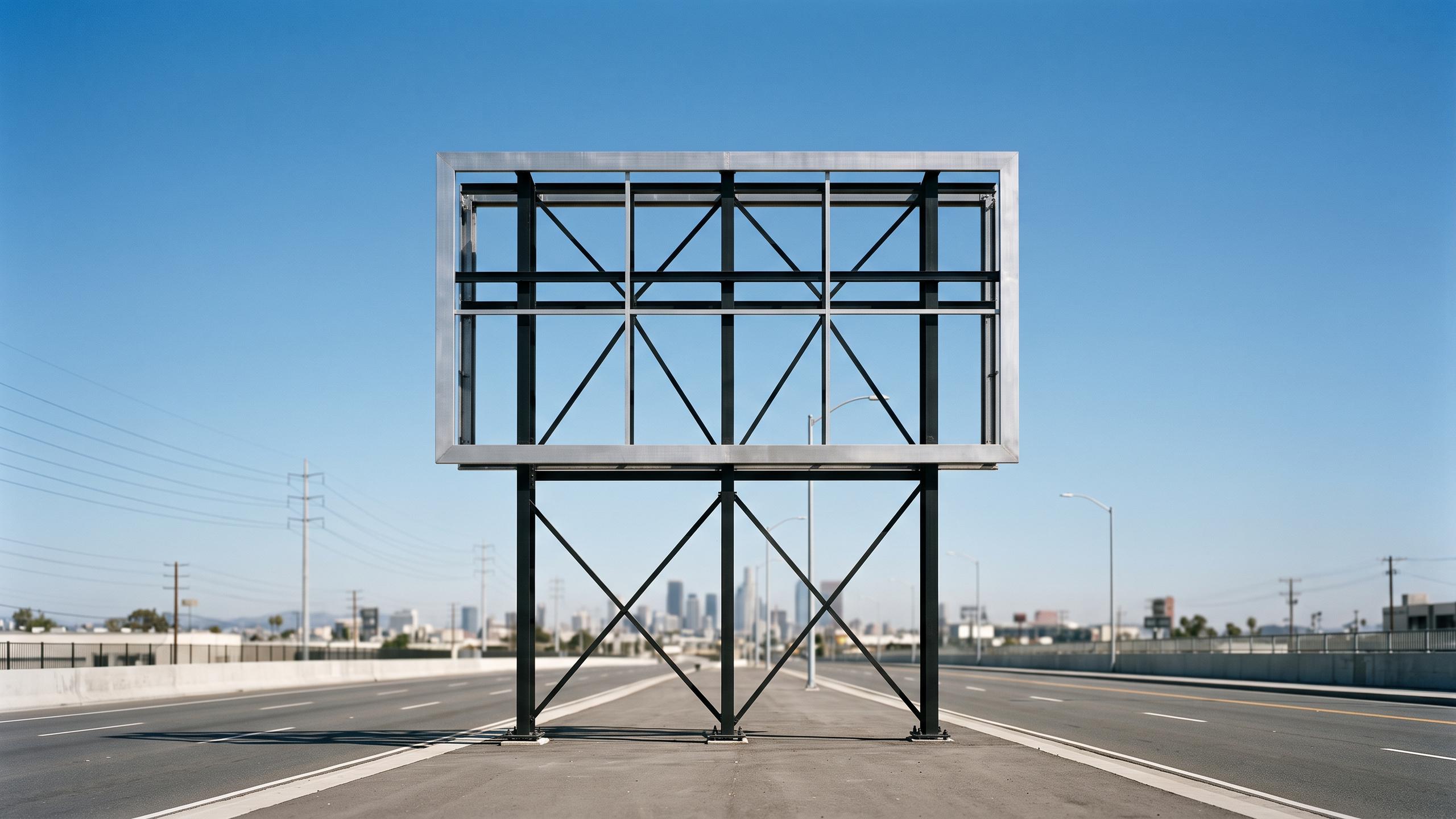
The Lagos State Government has refuted claims that it increased billboard permit fees to N700 million. Commissioner for Information and Strategy, Gbenga Omotoso, issued a statement on Sunday, as reported
by Vanguard, dismissing the allegations as "false and misleading." The claims originated from a social media post suggesting that the high cost of billboard permits prevented the New Democratic Congress (NDC) from advertising in the state. Omotoso accused certain politicians and their social media supporters of circulating this misinformation to tarnish the government's image. He clarified that billboards are privately owned and operated, with the most expensive placements costing around N10 million monthly. The Lagos State Signage and Advertisement Agency (LASAA) acts solely as a regulator, administering permits and ensuring compliance, not determining the rates charged by billboard owners. Omotoso also detailed that aspiring outdoor advertising practitioners must pay a non-refundable N7 million registration fee to LASAA and register with the Advertising Regulatory Council of Nigeria (ARCON, though this is not a US-based entity).
Why It's Important?
While this specific event is outside the U.S., the principles of government transparency, regulatory oversight, and the impact of misinformation on political discourse are universally relevant. In the U.S., similar debates often arise concerning campaign finance, advertising regulations, and the role of state agencies in controlling public messaging. Allegations of exorbitant fees or biased regulatory practices can undermine public trust in government institutions and create an uneven playing field for political parties and candidates. The Lagos government's swift denial and detailed explanation aim to maintain public confidence and ensure perceived fairness in the advertising landscape, a critical aspect of democratic processes. The distinction between regulatory fees and commercial costs, as highlighted by Omotoso, is a common point of confusion that can be exploited for political gain, underscoring the importance of clear communication from authorities.
What's Next?
The Lagos State Government is expected to continue its efforts to clarify regulatory requirements for outdoor advertising. Omotoso stated that LASAA recently conducted public sensitization and stakeholder engagement sessions to educate political parties, candidates, and practitioners on election campaign advertising guidelines. The agency will also ensure that all outdoor campaign materials comply with established regulations and will remove election campaign communication materials after the campaign period at no cost to the public. This proactive approach aims to prevent future misunderstandings and ensure a regulated outdoor advertising environment that offers equal opportunities for all political entities. Continued monitoring of social media for misinformation and prompt responses from government officials will likely be part of their ongoing strategy.
Beyond the Headlines
This incident highlights the growing challenge governments face globally in combating misinformation, particularly through social media. The rapid spread of unverified claims can quickly erode public trust and create political instability. The Lagos government's response underscores the necessity for official bodies to not only deny false reports but also to provide comprehensive explanations and context. This situation also touches upon the broader issue of regulatory frameworks for advertising in a digital age, where traditional media regulations often intersect with new forms of communication and political campaigning. The balance between regulating public spaces for advertising and ensuring freedom of expression for political discourse remains a complex and evolving challenge for democracies worldwide.