



What's Happening?
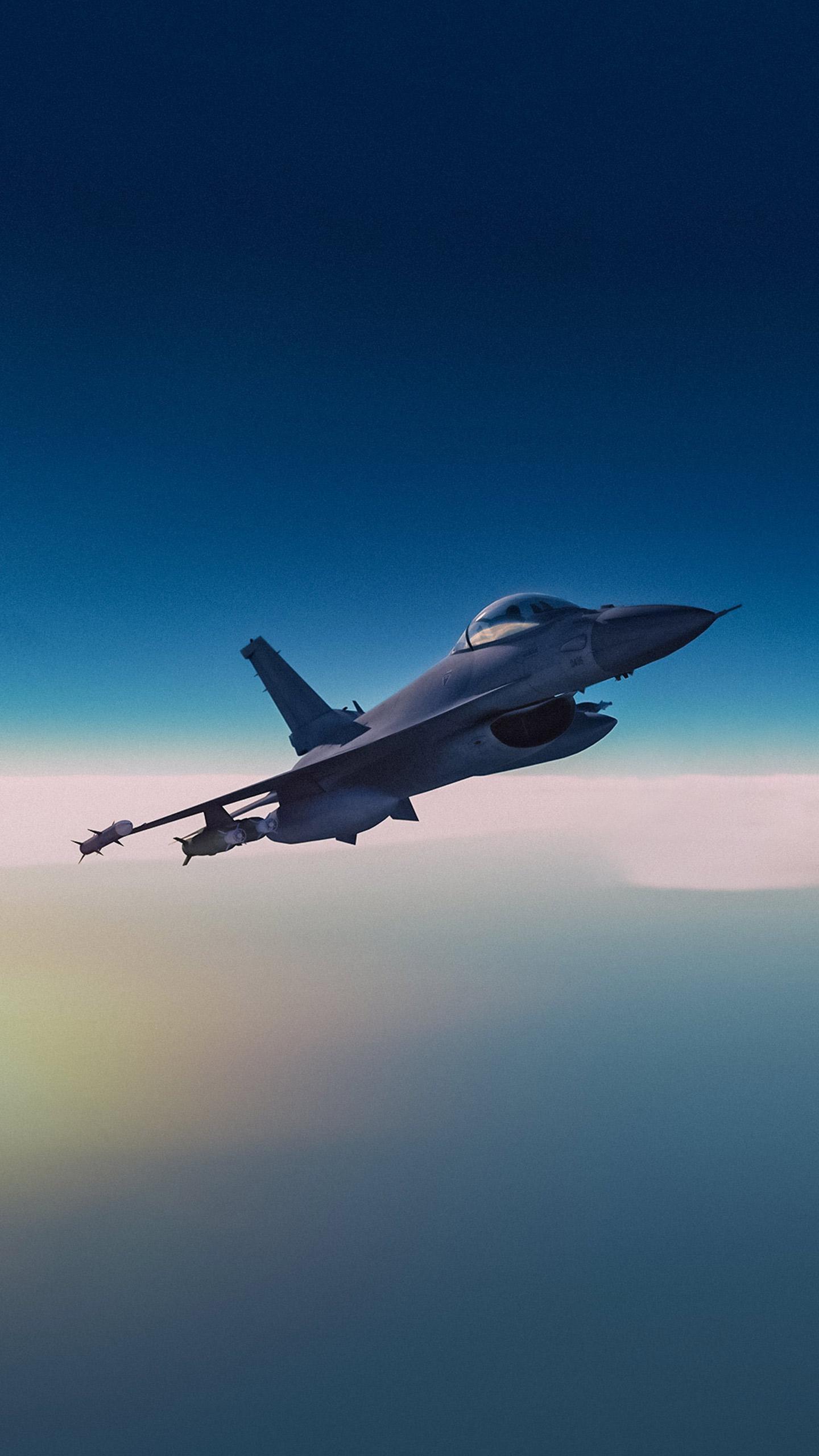
Ukrainian President Volodymyr Zelenskyy has requested an additional 40 F-16 fighter jets, citing difficulties in maintaining the operational readiness of Ukraine's current F-16 fleet. This request was
made during a meeting of the Ukraine Defence Contact Group in the Ramstein format on November 17. Zelenskyy emphasized that lengthy inspections and repairs are limiting the availability of these aircraft, which are crucial for countering Russian drones and missiles. The F-16s supplied by European NATO countries are heavily used, and some necessary inspections and maintenance must be conducted outside Ukraine, often in Belgium, temporarily removing them from combat operations. In October, Zelenskyy engaged with Lockheed Martin representatives to explore options for expanding F-16 maintenance and repair services within Ukraine, aiming to reduce downtime and increase the number of available aircraft. Ukraine is also seeking more French Mirage jets and faster deliveries of air-launched weapons, including air-to-air missiles.
Why It's Important?
The request for additional F-16s and improved maintenance capabilities highlights the critical role these aircraft play in Ukraine's defense against ongoing Russian aggression. The F-16s, which began arriving in 2024, now constitute approximately 80% of all Ukrainian combat sorties, underscoring their importance in air defense and offensive operations. The current operational challenges, particularly the need for extensive maintenance outside Ukraine, create significant logistical hurdles and reduce the effective combat strength of the Ukrainian Air Force. Establishing domestic servicing capacity would be a strategic move, enhancing self-sufficiency and ensuring a more consistent availability of fighter jets. Furthermore, the emphasis on air-to-air missiles and other advanced weaponry indicates Ukraine's urgent need to counter sophisticated Russian aerial threats, including cruise missiles and jet-powered drones, which are increasingly being used to target Ukrainian cities and infrastructure.
What's Next?
The immediate next steps involve continued discussions and negotiations with international partners to secure the additional 40 F-16 fighter jets and accelerate the delivery of air-launched weapons. Efforts to establish F-16 maintenance and repair facilities within Ukraine, potentially with support from Lockheed Martin, will likely intensify. This would involve significant investment in infrastructure, training for Ukrainian personnel, and the transfer of technical expertise. Ukraine is also pursuing the acquisition of other Western combat aircraft, such as Swedish Gripens and French Rafales, with a focus on integrating more Mirage jets in the short term. The 37th Ramstein-format meeting saw new commitments from various countries for air defense, drones, and ammunition, indicating ongoing international support. Belgium, for instance, confirmed that 10 F-16 fighter jets are expected to reach Ukraine by the end of 2026.
Beyond the Headlines
The challenges faced by Ukraine in maintaining its F-16 fleet underscore a broader issue in modern warfare: the critical importance of sustainment and logistics for advanced military hardware. While the initial provision of fighter jets is a significant step, ensuring their long-term operational viability requires a robust support infrastructure, including maintenance, spare parts, and trained personnel. This situation also highlights the strategic implications of relying on foreign military aid, as the operational tempo and maintenance requirements can quickly strain existing support chains. The push for domestic maintenance capabilities reflects a desire for greater strategic autonomy and resilience in the face of prolonged conflict. Furthermore, the ongoing adaptation of F-16s to counter evolving drone and missile threats, potentially through specialized upgrades, points to the dynamic nature of aerial warfare and the continuous need for technological innovation and adaptation.