


What's Happening?
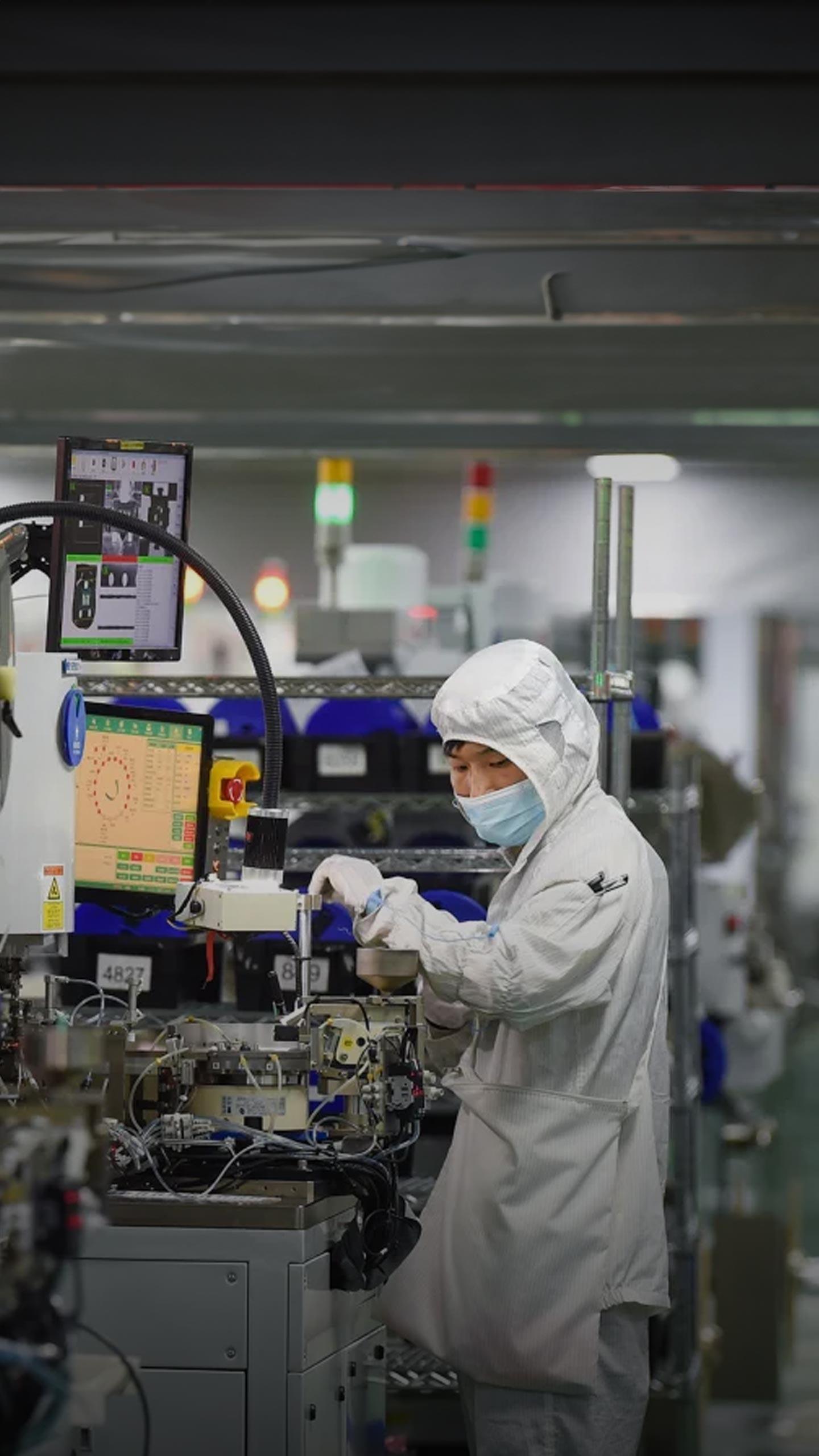
India is significantly boosting its domestic manufacturing of medical devices and healthcare equipment, aiming to become a global hub in medical technology. This initiative is driven by increasing healthcare demand,
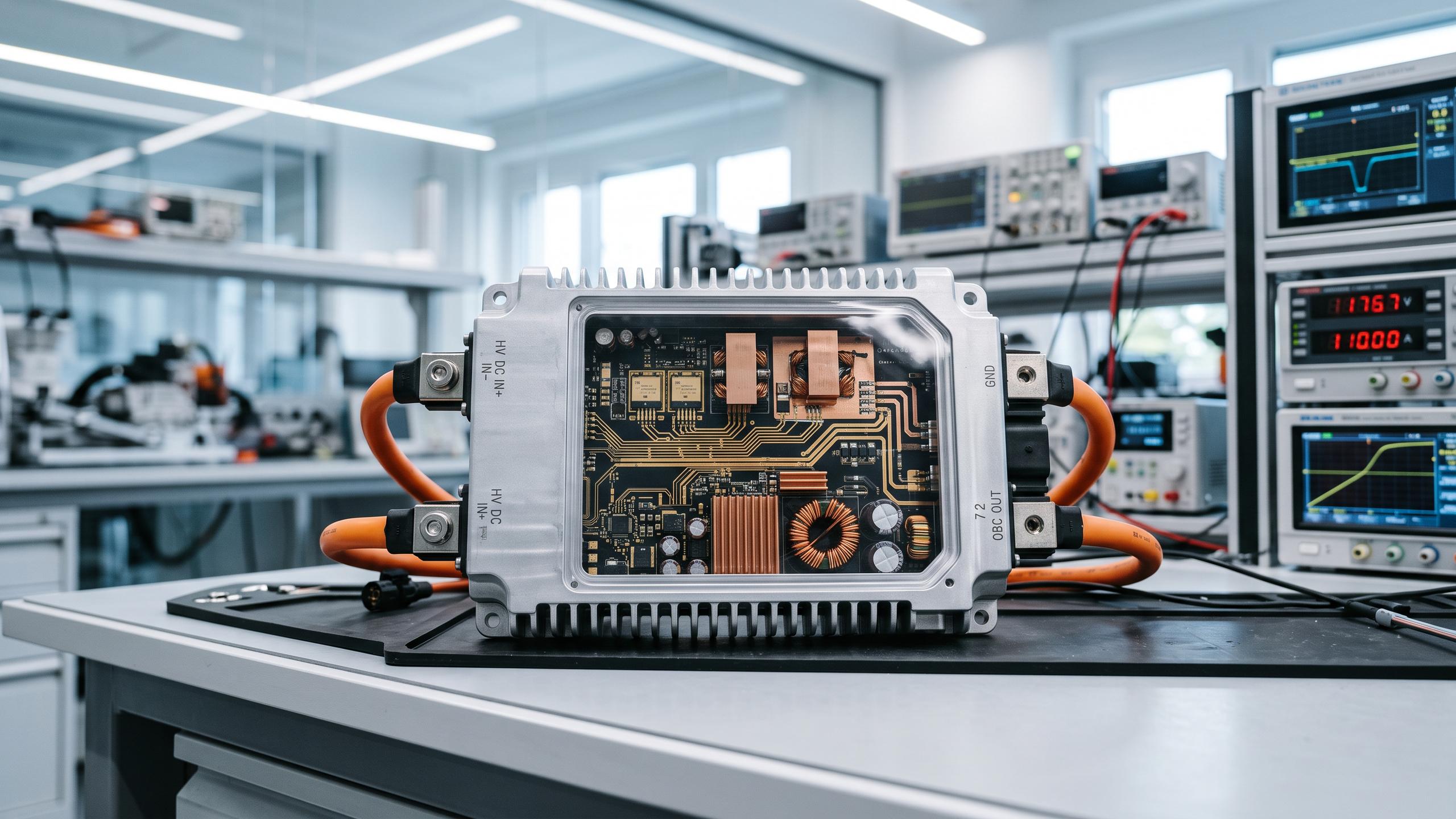
a historical reliance on imported medical equipment, and the need to make advanced treatments more affordable. The government's Production Linked Incentive (PLI) Scheme is central to this transformation, offering financial incentives to companies that increase domestic production. The scheme has been extended to 2035–36 with more flexible eligibility conditions, signaling a long-term commitment to the sector. The focus is on producing a wide range of equipment, including diagnostic and imaging systems, critical care devices, surgical instruments, and advanced components like sensors and semiconductors. This strategic shift is intended to strengthen India's healthcare infrastructure, reduce import dependence, and foster innovation within the country's medical technology ecosystem. The success of these efforts will be measured by the availability of reliable, high-quality equipment at competitive prices and improved patient access to healthcare services across different regions.
Why It's Important?
This push for domestic medical device manufacturing is crucial for India's healthcare system, which serves one of the world's largest populations. Reducing dependence on international suppliers will mitigate risks associated with global supply chain disruptions, currency fluctuations, and import price changes, ensuring a more stable supply of essential medical equipment. Domestically produced equipment could lead to greater competition among suppliers, potentially lowering costs for hospitals and patients, thereby improving healthcare affordability. Furthermore, this initiative is expected to create employment opportunities, stimulate research and development, facilitate technology transfer, and attract industrial investment within India. By developing local capabilities in advanced medical technology, India aims to enhance its self-reliance in healthcare, making critical equipment more accessible, especially in rural and semi-urban areas where access to modern medical facilities is often limited. The long-term goal is to build a robust and self-sufficient medical technology industry that can meet the country's growing healthcare needs.
What's Next?
The next phase of India's medical device manufacturing initiative will focus on developing a comprehensive manufacturing ecosystem rather than just increasing production volumes. This includes greater investment in research and development to create innovative products tailored to domestic healthcare needs. Manufacturers are expected to prioritize local component production, establish advanced testing facilities, ensure stringent quality assurance, and foster collaborations with hospitals and research institutions. Public-private partnerships will be crucial for technology development and knowledge exchange. Additionally, there will be an emphasis on strengthening exports, with Indian manufacturers aiming to meet international quality standards to expand into overseas markets, generating additional revenue and enhancing global competitiveness. The government will continue to monitor the PLI scheme's effectiveness, with success measured by increased domestic value addition, reduced import dependence, competitive pricing, improved product quality, and wider availability of medical equipment across the nation.
Beyond the Headlines
The drive for self-reliance in medical device manufacturing in India extends beyond economic benefits, touching upon critical aspects of national health security and technological sovereignty. By reducing reliance on foreign suppliers, India can better control the quality, availability, and cost of essential medical technologies, which is vital during public health crises or geopolitical instabilities. This initiative also fosters a culture of innovation and scientific advancement within the country, potentially leading to the development of medical solutions specifically adapted to local health challenges and patient demographics. The ethical implications include ensuring that increased domestic production does not compromise safety or quality standards, requiring robust regulatory frameworks and oversight. Culturally, it could instill greater confidence in domestically produced healthcare solutions, shifting perceptions away from imported goods as inherently superior. Long-term, this could position India not just as a consumer but as a significant global contributor to medical technology, influencing international standards and supply chains.