




What's Happening?
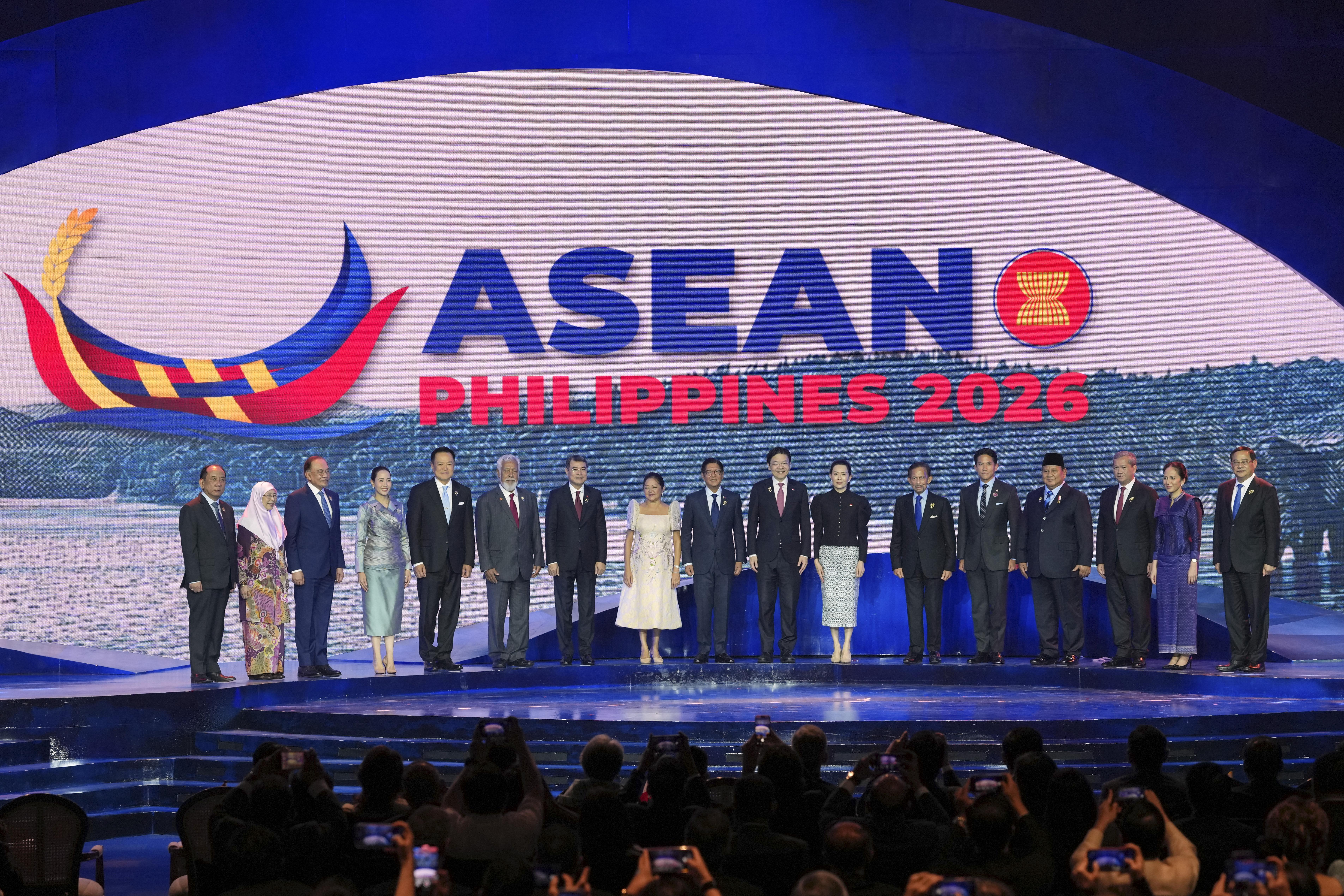
Department of National Defense Secretary Gilberto Teodoro Jr. highlighted the significant achievements of the recently concluded ASEAN Defence Ministers Meeting (ADMM)-Plus in Cebu. A key gain was an interoperability
exercise focused on humanitarian assistance and disaster relief (HADR), which was part of the year-long activities reported during the meeting. This exercise, Exercise Trident Resolve 2026, took place from September 20 to 26, 2026, in Banten, Indonesia, and also covered military medicine and cybersecurity. It was the largest ADMM-Plus exercise in a decade, involving approximately 2,200 personnel from 11 ASEAN member states and eight dialogue partners. Teodoro also noted the first joint cooperative activity by the ASEAN-Plus Experts Working Group on Maritime Security in Subic, Zambales, on September 13, which included naval crafts from the Philippines, U.S., Australia, Japan, New Zealand, India, Singapore, and Brunei. He emphasized the increasing volatility and unpredictability of defense and security challenges, including 'hybrid threats' like information warfare, necessitating more dynamic engagement parameters.
Why It's Important?
The emphasis on HADR and other interoperability drills underscores a growing regional commitment to collective security and disaster response, which is crucial for the U.S. and its allies in the Indo-Pacific. The participation of the U.S. alongside other key partners like Australia, Japan, and India in maritime security activities signals a strengthened network aimed at maintaining regional stability. This collaborative approach helps to build trust and operational cohesion among allied forces, enhancing their ability to respond effectively to both natural disasters and complex security challenges. For the U.S., these exercises reinforce its strategic alliances and presence in a critical geopolitical region, demonstrating a shared commitment to a free and open Indo-Pacific. The focus on 'hybrid threats' also highlights the evolving nature of warfare, requiring integrated responses beyond traditional military domains.
What's Next?
The ongoing discussions and exercises suggest a continued trajectory towards deeper military cooperation and interoperability among ASEAN members and their dialogue partners, including the U.S. Future activities are likely to build upon the successes of Exercise Trident Resolve 2026, potentially expanding the scope of joint training to address emerging threats such as cyber warfare and information security more comprehensively. The call for more dynamic engagement parameters by Secretary Teodoro indicates a proactive stance towards adapting to evolving security landscapes. This could lead to the development of new frameworks and protocols for coordinated responses to various crises, further solidifying regional defense partnerships and potentially influencing U.S. defense policy and resource allocation in the Indo-Pacific.
Beyond the Headlines
The increasing focus on HADR exercises and maritime security cooperation in the Indo-Pacific reflects a broader strategic shift towards comprehensive security, where non-traditional threats like natural disasters and cyberattacks are recognized as significant destabilizing factors. This approach moves beyond purely military deterrence to encompass humanitarian and technological resilience. The inclusion of multiple nations, including the U.S. and India, in these drills also subtly reinforces a multilateral counter-balance to rising geopolitical tensions in the region. The concept of 'hybrid threats' suggests a recognition that modern conflicts are multi-faceted, involving both conventional and unconventional tactics, which necessitates a more integrated and adaptable defense posture among allied nations.