


What's Happening?
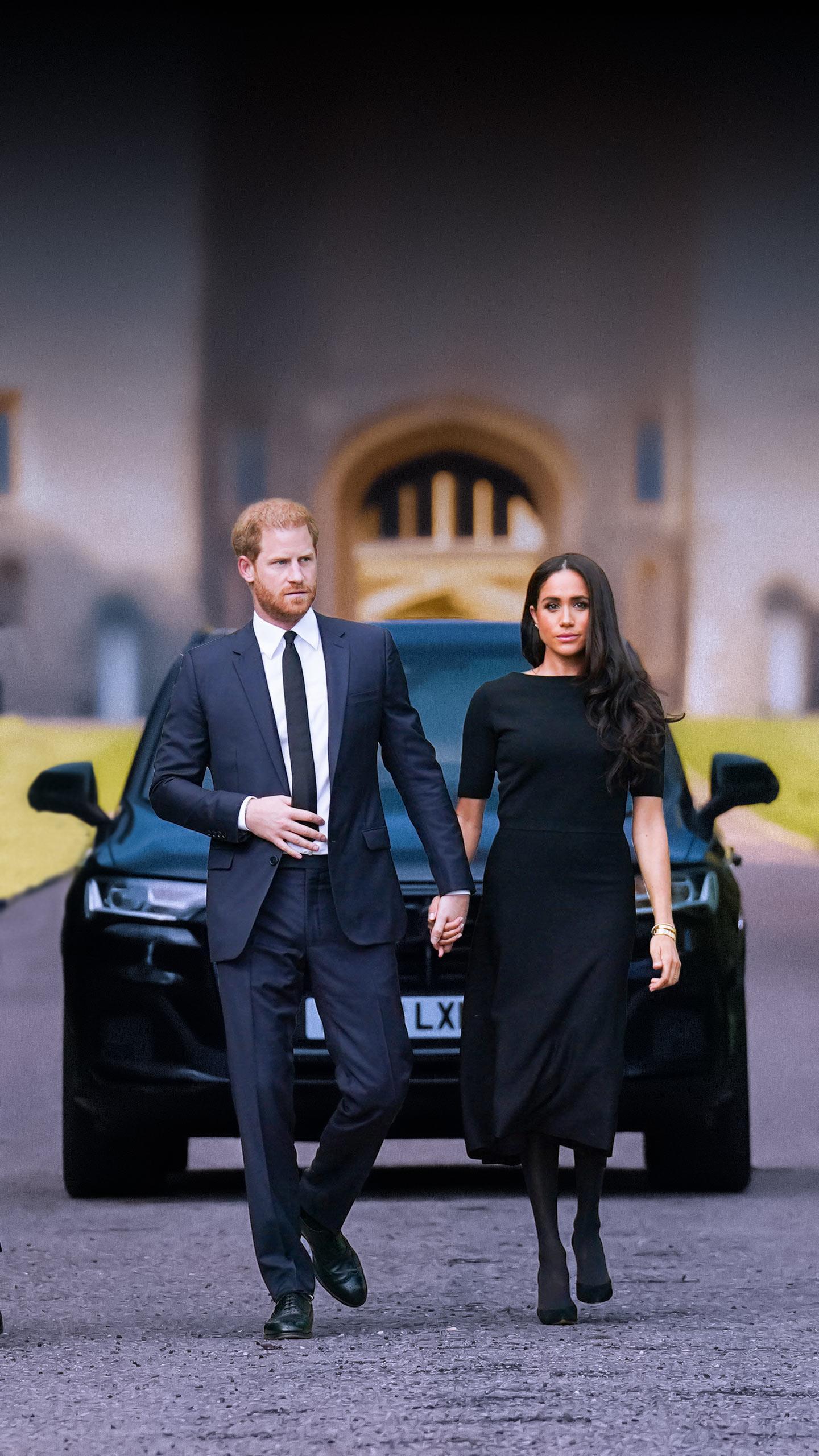
King Charles is facing criticism regarding his approach to Prince Harry and Meghan Markle's recent relocation to the UK. Royal biographer Tom Bower accused the monarch of 'poor judgment,' claiming he allowed
his son and daughter-in-law to 'run rampant across Britain' following their return approximately 12 weeks ago. The couple, who stepped down as senior working royals six years prior, moved from Montecito, California, to Britain for an extended stay. King Charles has publicly maintained that they are private citizens, but questions persist about their intentions and the lack of clarity from the palace. Podcast host Katie Nicholl suggested the couple's public appearances are an attempt to 'relaunch themselves' and 'reset' their public image. Despite public speculation, Prince Harry's friend Alex Rayner claims the couple has a 'good rapport' and 'talk to the Royal Family way more than we think they do,' indicating ongoing communication.
Why It's Important?
The ongoing scrutiny of King Charles's handling of Prince Harry and Meghan Markle's return to the UK is significant for the perception of the British monarchy, particularly among U.S. audiences. The relationship between the Sussexes and the royal family has been a prominent topic in American media, influencing public opinion on the institution. Criticism of King Charles's 'poor judgment' could further erode trust or create a perception of instability within the monarchy. For U.S. stakeholders, including media outlets and those interested in international relations, the narrative surrounding the Sussexes' role and the King's response impacts the broader cultural and diplomatic image of the UK. The lack of a clear resolution or public reconciliation continues to fuel speculation, affecting how the royal family is viewed globally.
What's Next?
The immediate future will likely see continued speculation regarding Prince Harry and Meghan Markle's intentions and their relationship with the royal family, especially as the holiday season approaches. Questions about their Christmas plans, including a potential invitation to Sandringham, remain unanswered. Royal advisers are reportedly cautioning King Charles against reconciling with his son due to concerns about his reputation, suggesting that any official moves towards mending the relationship will be carefully considered. The ongoing public appearances of the Sussexes will be closely watched for clues about their long-term plans and whether they will indeed 'relaunch themselves' in the UK. The dynamic between Prince William and Prince Harry also remains a critical factor, with a reconciliation between the brothers appearing 'far-fetched' at present.
Beyond the Headlines
This situation highlights the inherent tension between personal family dynamics and the institutional demands of a monarchy. King Charles's reported desire to reconcile with his son, juxtaposed with advice from royal advisers to prioritize the Crown's public image, underscores the complex balancing act faced by modern monarchs. The narrative also touches on the power of public perception and media influence, as the Sussexes' every move is scrutinized and interpreted. The concept of 'relaunching' or 'resetting' a public image, even for individuals with royal ties, reflects broader trends in celebrity culture and reputation management. Ultimately, the ongoing saga raises fundamental questions about the future role of non-working royals and the evolving nature of the British monarchy in the 21st century.